Reflecting on Dick Cheney’s Legacy: A Life of Influence and Controversy
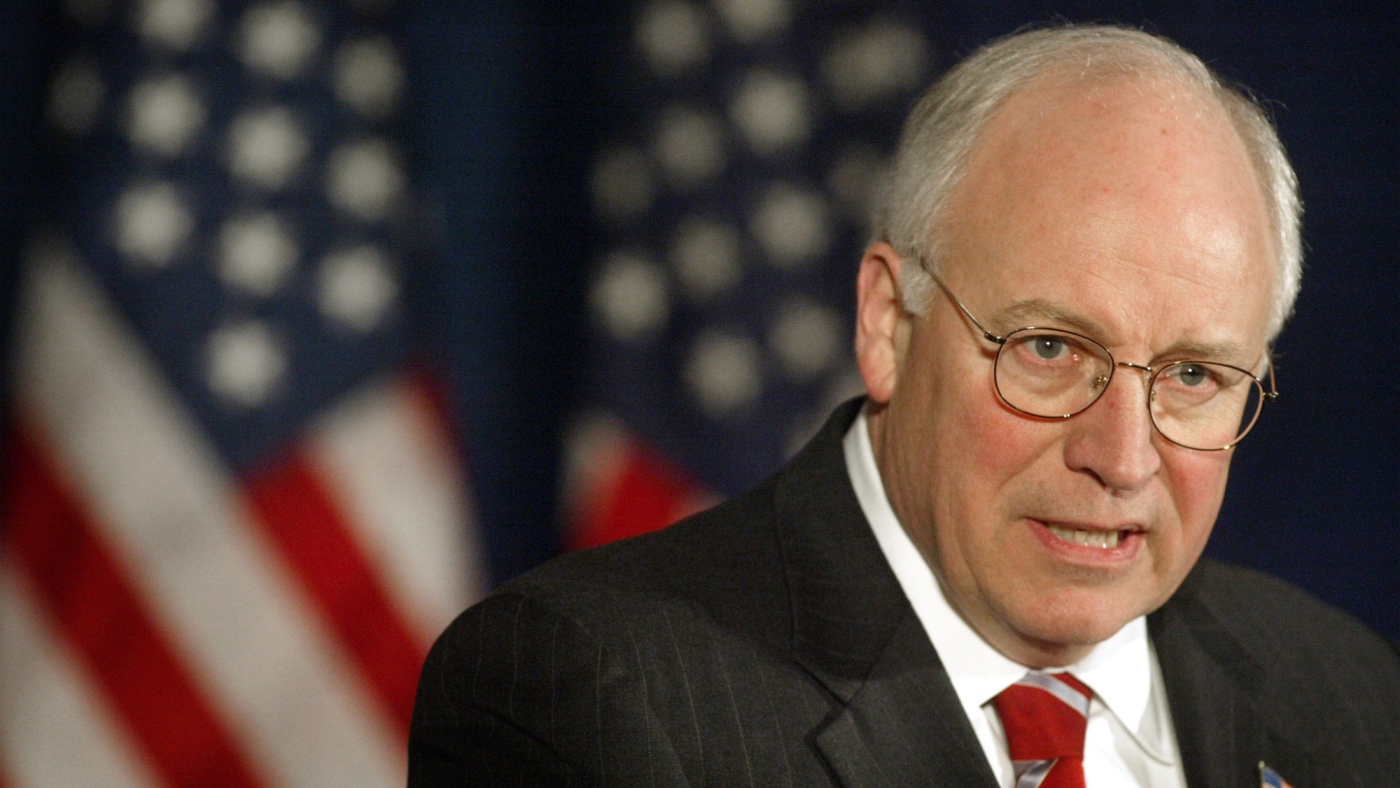
Former Vice President Dick Cheney, a figure who reshaped the office’s role and left a lasting impact on American politics, has passed away at 84. His family confirmed his death, attributing it to complications from pneumonia and cardiac and vascular disease. Having battled heart problems throughout his life, Cheney’s death marks the end of an era in U.S. political history.
George W. Bush, who served as president with Cheney as his vice president, expressed his sorrow, stating, “Laura and I will remember Dick Cheney for the decent, honorable man that he was.” Bush highlighted Cheney’s steady presence during significant national challenges, emphasizing his reliance on Cheney’s candid and straightforward advice.
An Unlikely Beginning
Born in 1941 in Lincoln, Nebraska, Cheney’s early life offered little indication of his future political influence. The son of a government conservation worker, Cheney initially struggled academically, dropping out of Yale University and working as a lineman in Wyoming. His personal challenges included two drunken-driving convictions.
Cheney’s fortunes changed as he married his high school sweetheart, Lynne, and pursued higher education, earning a degree at the University of Wyoming and attending graduate school at the University of Wisconsin. Despite avoiding military service during the Vietnam War through deferments, Cheney’s political career began to take shape.
From Congress to the White House
Cheney’s political journey gained momentum as he transitioned from a congressional intern to a prominent figure in the Ford administration, eventually becoming the youngest White House Chief of Staff. His tenure under President Ford saw him develop a firm belief in preserving and enhancing presidential power, a philosophy that would later define his vice presidency under George W. Bush.
In 1978, Cheney was elected to Congress, representing Wyoming for a decade. His health challenges began during this period, with a series of heart attacks marking his time in office. Cheney’s role as Secretary of Defense under President George H.W. Bush saw him navigate the complexities of Operation Desert Storm, a pivotal moment in his political career.
Reinventing the Vice Presidency
Joining the private sector in the 1990s as CEO of Halliburton, Cheney amassed considerable wealth but remained active in conservative politics. In 2000, George W. Bush unexpectedly selected him as his running mate, a decision that would redefine the vice presidency.
During his tenure, Cheney emerged as a central figure in shaping U.S. foreign policy, advocating for preemptive military actions post-9/11. His influence was evident in the contentious decision to invade Iraq, a move characterized by Cheney’s conviction that the U.S. would be received as liberators. Critics, however, pointed to the prolonged conflict as a miscalculation of monumental proportions.
Controversies and Legacy
Cheney’s tenure was marked by controversy, from the indictment of his chief of staff, Lewis “Scooter” Libby, to the infamous hunting accident where Cheney accidentally shot a friend. Despite these challenges, Cheney remained a staunch defender of his policies and actions.
In his later years, Cheney became a vocal critic of the Obama administration, positioning himself as a stalwart of traditional conservative values. As the political landscape shifted with the rise of Donald Trump, Cheney’s foreign policy approach faced criticism, yet his influence on American governance remains undeniable.
Cheney leaves behind a legacy of significant contributions to U.S. government service, foreign policy, and the shifting dynamics of executive power. His impact on the vice presidency and his role in shaping the Bush administration’s policies ensure his place in the annals of American political history.