
Justice Department Takes Legal Action Against States Over Voter Data
The U.S. Department of Justice is intensifying its efforts to access sensitive voter data, taking legal action against two states led by Democrats. This move marks a significant escalation in the department’s ongoing pursuit of election-related information from state officials.
The DOJ has filed lawsuits against Oregon and Maine along with their respective secretaries of state. The department is seeking access to the states’ voter registration lists, which include sensitive personal details such as partial Social Security numbers. This legal action comes after multiple unsuccessful requests for similar data from other states.
Oregon Secretary of State Tobias Read, a Democrat, expressed his opposition to the DOJ’s actions. “If the President wants to use the DOJ to go after his political opponents and undermine our elections, I look forward to seeing them in court,” he stated. “I stand by my oath to the people of Oregon, and I will protect their rights and privacy.”
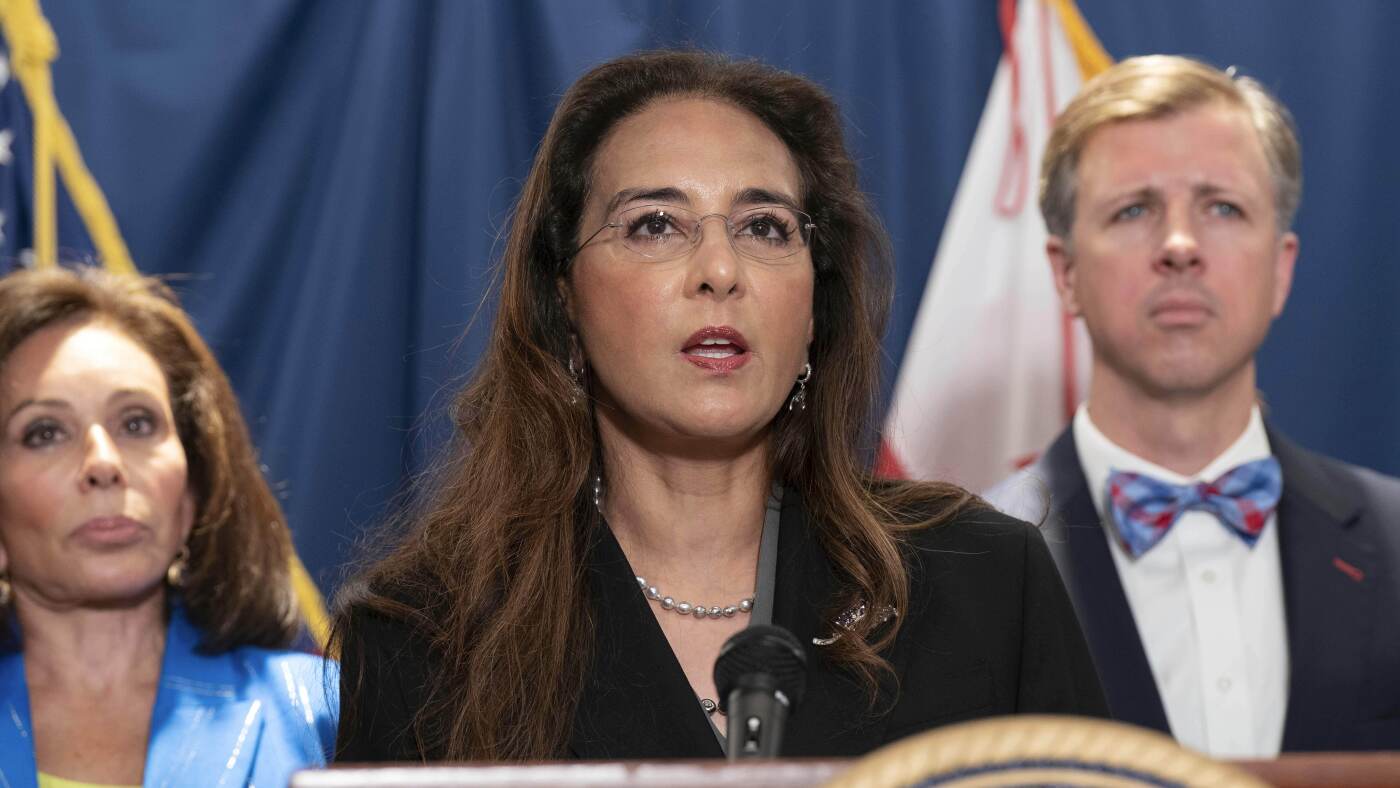
The lawsuits allege that the states have not provided adequate responses or sufficient evidence to demonstrate compliance with federal regulations on maintaining accurate voter registration lists. Harmeet Dhillon, head of the DOJ’s Civil Rights Division, emphasized, “States simply cannot pick and choose which federal laws they will comply with. American citizens have a right to feel confident in the integrity of our electoral process, and the refusal of certain states to protect their citizens against vote dilution will result in legal consequences.”
Despite the department’s pressure, maintaining flawless voter lists remains challenging, given the frequent changes in people’s residency and status. The legal requirements for states to keep these lists updated have historically been lenient, causing frustration among those advocating for stricter list management practices.
Maureen Riordan, leading the DOJ’s Voting Section, previously worked with a conservative law firm known for suing states over voter list issues. Both she and Dhillon have been associated with unfounded claims of election fraud in the past, raising concerns about the motivations behind the DOJ’s current actions.
Maine Secretary of State Shenna Bellows criticized the DOJ’s requests, labeling them as unprecedented. “This is not normal,” she said, highlighting constitutional, privacy, and political concerns. Bellows pointed out the DOJ’s focus on Democratic-led states and questioned the federal government’s ability to safeguard personal data.
Historical resistance to federal requests for voter data is notable. In 2017, Mississippi’s then-Secretary of State Delbert Hosemann famously told the Trump administration’s similar request to “go jump in the Gulf of Mexico.” Bellows echoed this sentiment earlier this year.
Recent reports from NPR reveal that the Trump administration has processed over 33 million voter records through a Department of Homeland Security tool for citizenship verification, yet details about the tool’s efficacy and security remain scarce.
In meetings with election officials, DHS representatives attempted to distance themselves from the DOJ’s data requests, stating, “We don’t want your data. We don’t want your lists.” However, DHS has acknowledged collaborating with the DOJ to share information, according to other news outlets.
Uncertainty looms over the DOJ’s intentions to use the voter data with the DHS tool, as a spokesperson only affirmed the legality of the requests and the plan to “screen for ineligible voter entries.”
Other states have similarly refused the DOJ’s data requests or signaled potential refusals. Whether these states will also face legal challenges remains to be seen.




