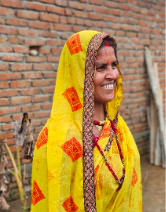
The Transformation of Dullari: A Beacon of Hope for Gender Equity
(Photo: The Leprosy Mission)
In a quiet village in Nepal, a woman’s journey from silence to empowerment is creating ripples of change. Dullari’s transformation is not just personal; it is emblematic of a larger movement toward gender equality, impacting her family and community in profound ways.
Efforts to achieve the United Nations’ fifth Sustainable Development Goal of gender equity by 2030 are in motion globally. The ambition is significant, requiring more than just policies and reports. Women like Dullari exemplify how individual courage can lead to collective change, highlighting that when one woman rises, she elevates others with her.
While the idea that gender should not define one’s opportunities is widely accepted in theory, in practice, millions of women and girls still face barriers. Cultural and historical prejudices often impede their progress, necessitating persistent courage and determination to overcome these obstacles. Such progress is not merely a natural societal evolution.
In the UK, discussions about gender equality often center on pay disparities and representation in leadership roles. However, in regions where The Leprosy Mission operates, the issues are more fundamental. They concern the right of girls to education, women’s access to healthcare without male consent, and the ability to live without fear in their own homes.
In many communities, girls’ education is undervalued, with marriage often seen as their sole security. A diagnosis of leprosy exacerbates a woman’s vulnerability, subjecting her to potential blame and isolation, as was the case for Dullari.
The Dignity First project in Nepal, a three-year initiative, targeted four districts to enhance the health and dignity of those affected by leprosy, disability, and poverty. Women were central to this effort, with 635 Female Community Health Volunteers trained to identify early leprosy signs and guide individuals to treatment. These women are trusted figures, whose knowledge and reassurance are laying the groundwork for lasting change.
Women diagnosed with leprosy receive support through Self-Help Groups, fostering self-care, advocacy, and leadership skills. These groups provide a platform for women to lead, often for the first time in their lives.
Initially, Dullari, upon her diagnosis, was overwhelmed by fear and stigma, confiding only in her husband. The need to cut back work hours for treatment forced her to disclose her condition to him. She faced accusations of laziness from her mother-in-law and feared losing her home and community if the truth emerged.
Despite initial support, her husband’s attitude shifted, and requests to save for their children’s education were met with violence. Dullari endured, unaware that she was a victim of abuse, believing it a consequence of her illness.
Her involvement with the Self-Help Group was transformative. She learned that violence is unacceptable, gained confidence, and began earning through sustainable farming. This newfound self-worth empowered her to speak out.
Now, Dullari’s husband views her as an equal, supporting her community leadership. She openly shares her experiences, educating her sons on respecting women. Her role as Vice-President of her Self-Help Group and her advocacy have made her a community pillar, inspiring women to follow her path.
Dullari’s story illustrates the profound human impact of gender equity, influencing self-perception and shaping future generations. Empowering women like her strengthens families, reshapes societal attitudes, and breaks cycles of poverty and violence. Her rise is a beacon of hope for true gender equality.
Peter Waddup is Chief Executive of The Leprosy Mission.
This article was originally written by www.christiantoday.com