The European Evangelical Alliance (EEA) has expressed significant concern over recent developments in European immigration policy, particularly regarding the detention of families and children entering the region illegally.
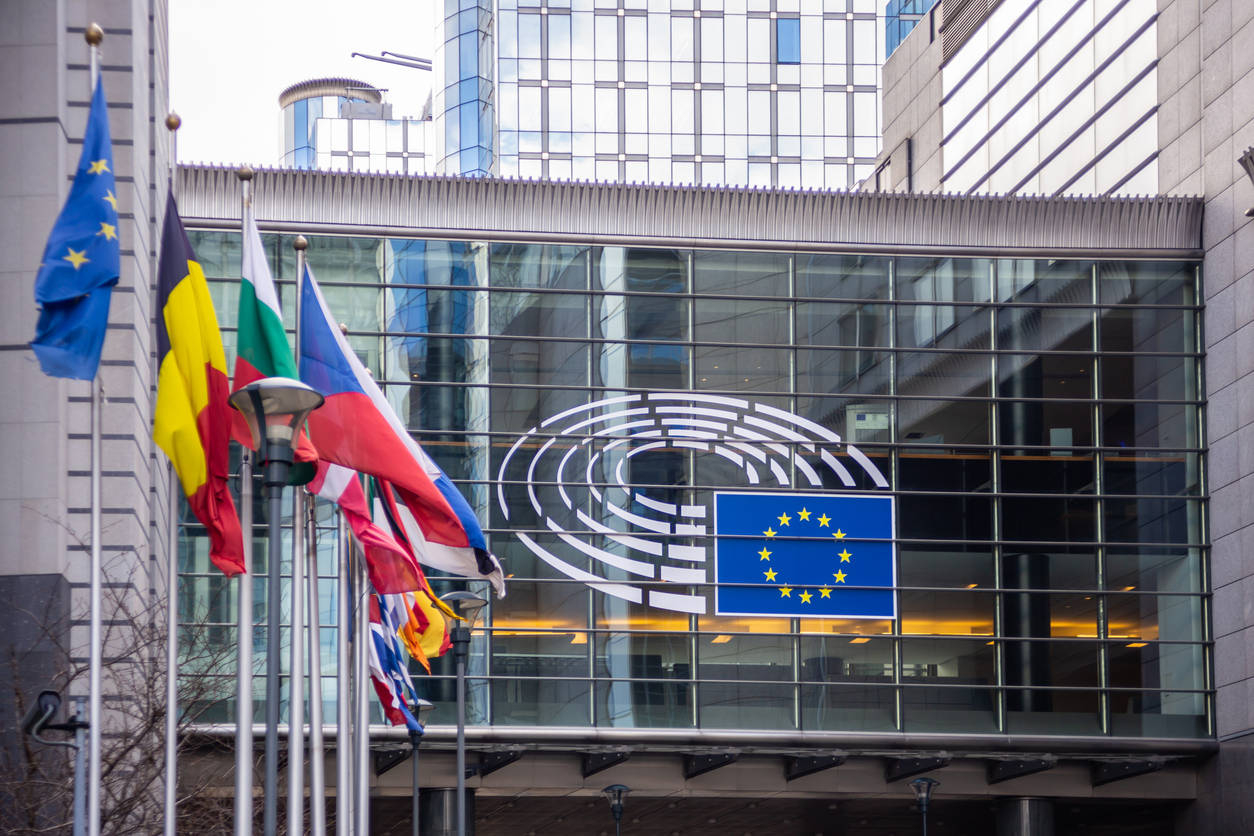
The European Parliament (EP) has given its approval to an updated version of the EU Return Regulation (ERR). This regulation outlines how non-EU nationals without legal residency can be deported from EU states.
The revised ERR broadens the criteria for detention and extends the potential duration of detention periods. Additionally, the regulation reduces safeguards and appeal opportunities while establishing “return hubs” outside the European Union.
In a public statement, the EEA emphasized that migration is a critical issue, asserting that all individuals are created in God’s image, irrespective of their background or legal status.
“We recognise the legitimate duty of governments to manage migration responsibly, secure external borders, and combat human trafficking. None of this stands in tension with our faith; it flows from a proper concern for order and the common good. At the same time, several elements of this Regulation trouble us. Detention will now last longer and can apply to families with children,” the EEA stated.
There is particular concern from the EEA regarding the lack of public scrutiny over these return hubs and the absence of assurances for maintaining adequate conditions within these facilities.
“These changes fall hardest on those whose situations are already difficult to assess,” noted the EEA.
“Converts are one such group: their claims rest on personal testimony rather than paperwork, and a rushed or opaque process leaves little room to get that assessment right. Victims of trafficking and other vulnerable people face similar risks.”
Over the past ten years, the EEA has developed resources aimed at supporting asylum seekers claiming conversion to Christianity and fleeing persecution.
Arguing that national security and compassion are not mutually exclusive, the EEA believes Europe can uphold both values.
“We therefore ask the European Commission and Member States to preserve genuine access to legal remedies, give particular care to converts and other vulnerable claimants, ensure transparency and independent monitoring wherever return hubs are established, and continue to consult civil society as the rules are implemented,” the statement continued.
This article was originally written by www.christiantoday.com