The Future of Equal Employment: Potential Changes at the EEOC
The Equal Employment Opportunity Commission (EEOC), a pivotal institution in combating workplace discrimination since its inception in the 1960s, is on the brink of significant changes. These potential shifts could redefine how the agency enforces civil rights in the workplace.
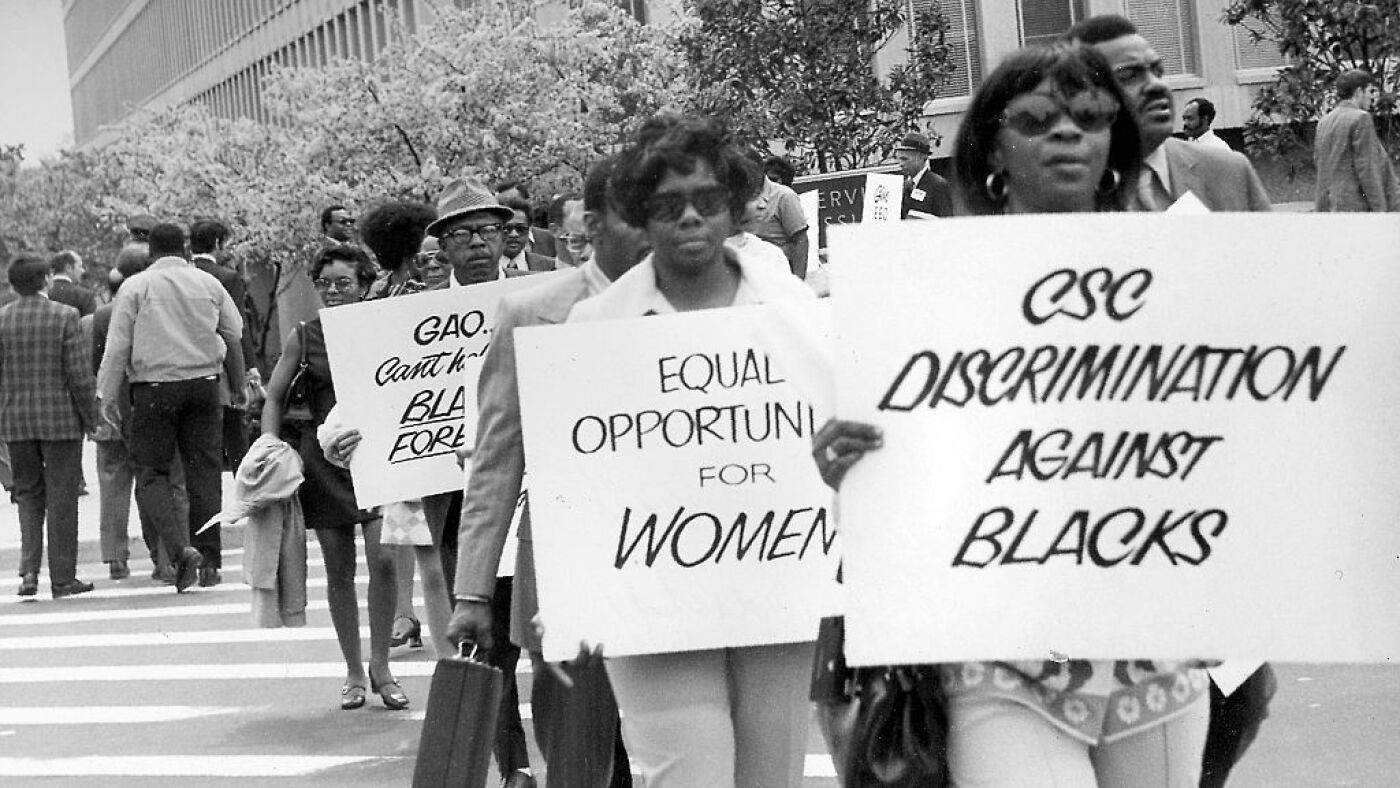
Established by the Civil Rights Act of 1964, the EEOC has long relied on EEO-1 data collected from companies with 100 or more employees. This data includes demographic information such as race, ethnicity, and gender, which has been instrumental in identifying and addressing disparities in hiring and promotions.
In recent years, the EEOC has secured settlements worth billions, thanks in part to this data. However, the agency, under the leadership of Trump-appointed chair Andrea Lucas, is considering ending this annual data collection. Additionally, a 1979 regulation allowing employers to take proactive steps to address race and gender imbalances may also be rescinded.
Stay up to date with our Politics newsletter, sent weekly.
A Shift in Civil Rights Enforcement
Andrea Lucas has expressed concerns about initiatives targeting specific groups, warning that such measures could violate the Civil Rights Act if they exclude others. At a recent Fortune Workplace Innovation Summit, she stated, “Regardless of what has happened before, the way to stop discriminating based on race is to stop discriminating based on race. The end. Full stop.”
The Role of Data in Addressing Discrimination
The proposed changes raise questions about the future of the EEOC’s data collection. Historically, this data has played a critical role in uncovering discriminatory practices, as demonstrated by the 2011 lawsuit against Bass Pro Shops. The EEOC alleged that the company discriminated against Black and Hispanic applicants across its stores, a pattern identified through demographic data comparisons.
Former EEOC general counsel David Lopez noted that demographic data served as a crucial starting point for investigations. “It’s one of the first things that you can look at as you’re trying to learn more,” said Karla Gilbride, who served as the EEOC’s general counsel during the Biden administration.
Controversy Over Data Usage
Lucas argues that demographic data should be closely guarded, limited to legal and HR personnel, and not used to influence hiring or promotion decisions. This stance follows a trend of companies publicly sharing their diversity data after the 2020 murder of George Floyd, which Lucas contends led to unlawful decision-making based on race or sex.
Despite Lucas’s position, the EEOC has previously used data in cases like the University of Pennsylvania subpoena to address antisemitism, highlighting data’s role in protecting vulnerable groups.
The Importance of Monitoring Demographics
Management consultants like David Cohen advise companies to continue demographic tracking as a business practice, regardless of regulatory requirements. “It’s like you’re driving a car without a dashboard,” Cohen explains, emphasizing the necessity of data in identifying potential issues within an organization.
As the EEOC deliberates its next steps, the agency’s future direction remains uncertain, though Lucas’s actions suggest a significant shift in focus. For now, companies are encouraged to adhere to federal laws while navigating these potential changes.