Egypt’s Christians Struggle for Easter Holiday Recognition
In a move that has sparked renewed debate over religious freedoms, an Egyptian court recently dismissed a petition aimed at establishing Easter as a national holiday. The decision has left many Christians in the country grappling with the prospect of choosing between their religious observance and facing potential repercussions in their professional and academic lives.
The court’s dismissal, based on procedural grounds, pointed to the jurisdiction of the prime minister rather than addressing the substance of the petition, as reported by ADF International, an organization advocating for religious freedom that supported the petition.
Advocates from various Christian denominations are preparing to appeal the decision, seeking official recognition of Easter as a public holiday. Currently, with Sunday being a regular workday in Egypt, Christians face financial and professional penalties if they take the day off for religious observance. Students, too, risk academic consequences for their absence.
Kelsey Zorzi, the director of advocacy for global religious freedom at ADF International, expressed concern over the ruling, stating it denies Christians the opportunity to worship freely on their most sacred day. Zorzi urged Egypt to take significant measures to safeguard Christian rights, emphasizing, “This is about far more than the recognition of a holiday. It is about the denial of a legal right to worship for Christians who already face ongoing and severe religious persecution.”
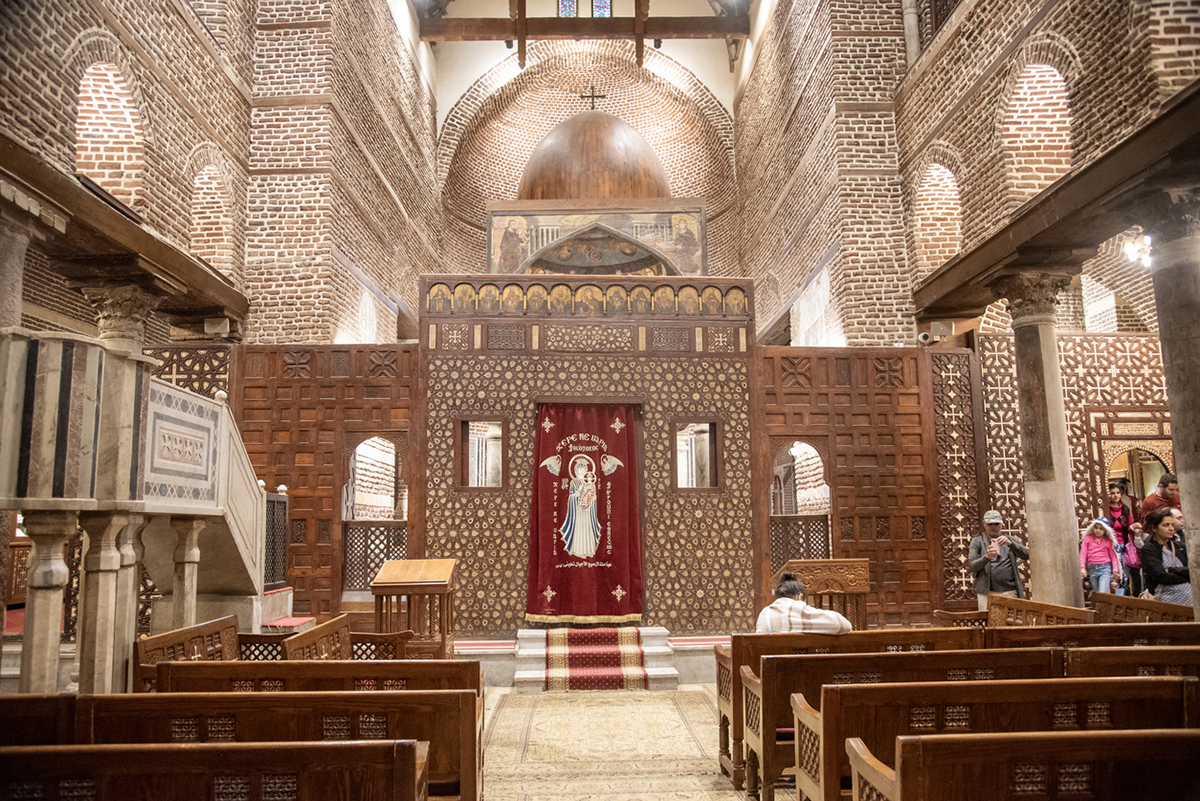
This petition is part of a broader push for religious freedom in Egypt, a nation with deep-rooted Christian history dating back to the first century. The Coptic Church, established by the Apostle Mark in Alexandria, is a testament to this heritage.
Though some progress has been made regarding Christian worship accommodations, these advancements are often limited and inconsistently applied. A recent decision in December by the Ministry of Manpower allowed Christian private-sector workers to observe Easter, but the public sector remains excluded. Additionally, the decision resulted in unequal leave days among Coptic, Evangelical, and Catholic Christians.
ADF International criticized this disparity, pointing out that it contradicts Egypt’s constitutional guarantees of religious freedom and international treaties against religious discrimination in employment.
While Coptic Christmas on January 7 is recognized as a public holiday, advocates argue that Easter should receive similar acknowledgment. The absence of Easter from the official calendar forces Christians to choose between religious practices and facing potential penalties not imposed on any other religious community in Egypt.
Christians constitute about 10% of Egypt’s predominantly Muslim population. The U.S. Commission on International Religious Freedom (USCIRF) has recommended placing Egypt on the State Department’s Special Watch List due to severe religious freedom violations.
Egypt’s blasphemy laws have been used to prosecute individuals for expressing their faith, with penalties ranging from fines to imprisonment. A notable case involves Augustinos Samaan, a Coptic Christian YouTuber sentenced to five years in prison for content defending his faith. Numerous similar cases are pending in Egyptian courts.
Moreover, the government does not recognize Christianity on official identity documents for individuals converting from Islam, further complicating religious practice. An Open Doors report highlighted ongoing challenges for Christians in establishing places of worship despite some churches gaining official registration. The report also noted that Christians, along with Shia Muslims, Ahmadis, and other minority faiths, face legal and administrative restrictions affecting their religious expression.
This article was originally written by www.christianpost.com