The Unlikely Legacy of Elbridge Gerry: A Founding Father and the Origins of Gerrymandering
While names like Samuel Adams and John Hancock are synonymous with the American Revolution, Elbridge Gerry’s name endures in a very different context. Though lesser-known, Gerry’s legacy is forever tied to the controversial practice of gerrymandering, a term born out of a political maneuver in the early 19th century.
Elbridge Gerry, a key advocate for American independence, was a notable figure in the founding of the United States. Despite his substantial contributions, including serving as Vice President under James Madison, Gerry is rarely celebrated alongside other Founding Fathers. One of his notable acts was his refusal to sign the Constitution due to the absence of a Bill of Rights at the time, highlighting his commitment to individual freedoms.
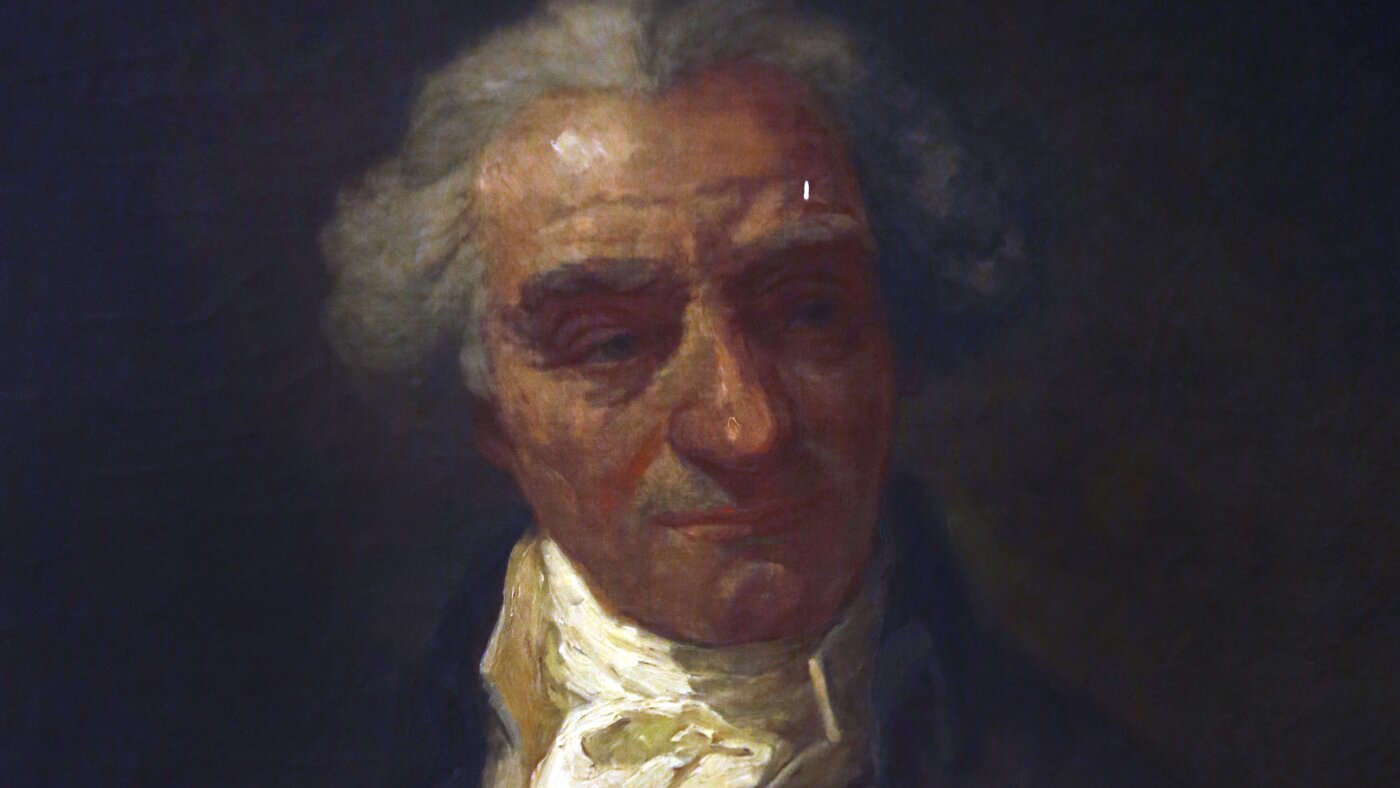
A portrait of Gov. Elbridge Gerry hangs in a hallway at the State House in Boston, illustrating his role in the creation of the term “gerrymander.” Ronaldo Schemidt/AP
Gerry’s enduring infamy stems from his tenure as Massachusetts governor in 1812. During this time, he approved a redistricting plan that favored his Democratic-Republican Party over the Federalists. This strategic manipulation of district boundaries was depicted in a cartoon as a mythical creature, coined a “Gerry-mander,” combining his name with “salamander.”
Historian David O. Stewart describes Gerry as “a fiery guy,” despite his diminutive stature and distinct mannerisms. Gerry’s biographer, George Athan Billias, once depicted him as a “nervous, birdlike little person.” Despite these characterizations, Gerry’s determination in political disputes left a lasting impression.

Protesters hold a banner reading “Resist Racial Gerrymandering” during a rally in Houston, highlighting ongoing debates on district manipulation. Ronaldo Schemidt/AFP via Getty Images
The term “gerrymander” is an example of an “eponym,” a word derived from a person’s name. Other eponyms include “boycott,” “shrapnel,” and “leotard.” Doug Harper, founder of the etymology dictionary etymonline.com, notes the unique origin of the term. “Someone actually drew the picture and published it in the newspaper, along with the coining of the word,” he explains.
Gerrymandering has left a visual and linguistic mark on American politics, with districts often taking on bizarre shapes that evoke pareidolia—like Pennsylvania’s “Goofy kicking Donald Duck” and Illinois’ “earmuffs.”
The mispronunciation of Gerry’s surname—giving us the term “gerrymander”—continues to obscure his legacy. Though his political maneuvers are remembered, many might not associate the term with the historical figure of Gerry himself.
Reflecting on Gerry’s legacy, historian Stewart remarks, “None of us picks how we’re going to be remembered in the world if we’re going to be remembered at all. So being remembered is, I suppose, better than not.”