
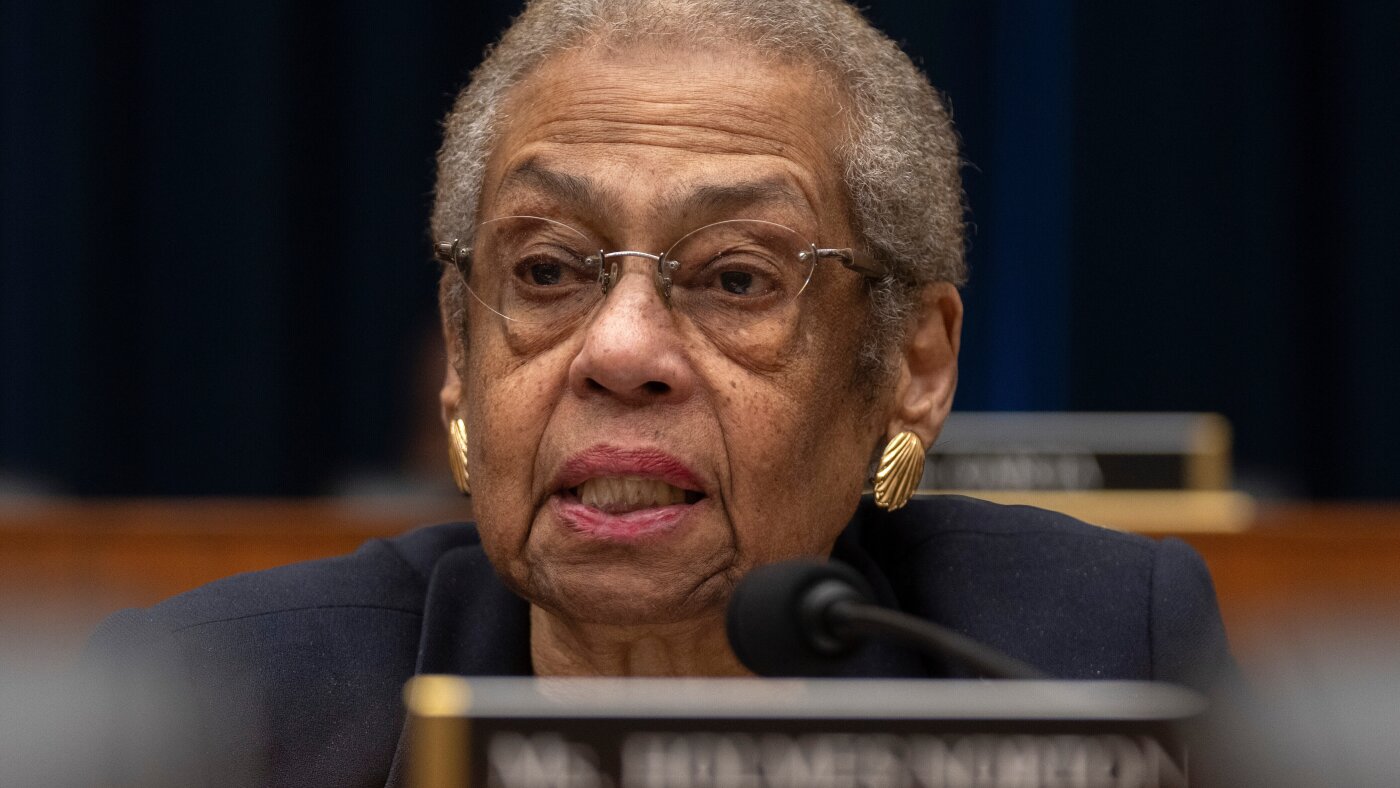
Eleanor Holmes Norton: A Distinguished Career Comes to a Close
In a landmark decision, Eleanor Holmes Norton, the long-serving delegate for the District of Columbia, has decided to retire, marking the end of a notable career in public service. Norton, who has served as the sole representative for D.C. in Congress since 1991, has filed the necessary paperwork to officially conclude her campaign for reelection.
At 88, Norton has been a prominent figure in Washington politics, known for her deep connection to the Civil Rights Movement. Her decision comes amid growing inquiries into her effectiveness following the Trump administration’s extensive interventions in the city.
Mayor Muriel Bowser expressed her admiration for Norton’s service, stating on social media, “For 35 years, Congresswoman Norton has been our Warrior on the Hill. Her work embodies the unwavering resolve of a city that refuses to yield in its fight for equal representation.”
The termination of Norton’s campaign was reported initially by NOTUS, and her office has yet to release a formal statement regarding her future plans. With her departure, a competitive race is expected to unfold in the predominantly Democratic city, as several local politicians have already declared their candidacy for the primary.
Norton’s Legacy in Washington
Known as a “Warrior on the Hill,” Norton has tirelessly advocated for D.C.’s statehood and the rights of federal workers. Despite not having a formal vote in the House, she has managed to secure significant victories for the district. Her efforts led to a law enabling D.C. residents to pay in-state tuition at public colleges nationwide and receive grants for private education.
In the 1990s, Norton was instrumental in resolving the district’s financial crisis by negotiating the transfer of unfunded pension liabilities to the federal government. She also played a pivotal role twice in passing a D.C. statehood bill in the House.
A Life Rooted in Civil Rights
Born and raised in Washington, Norton’s life is a testament to the district’s challenges and achievements. She was part of the last segregated class at Dunbar High School and pursued her education at Antioch College and Yale Law School. Her involvement in the Civil Rights Movement included organizing during the Freedom Summer and participating in the 1963 March on Washington.
Recalling her experiences, Norton described the march as “the single most extraordinary experience of my lifetime” in a 2023 interview with The Associated Press.
Norton broke barriers by becoming the first woman to lead the Equal Employment Opportunity Commission. Her entry into politics was inspired by her predecessor’s decision to run for mayor of Washington.




