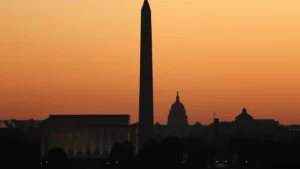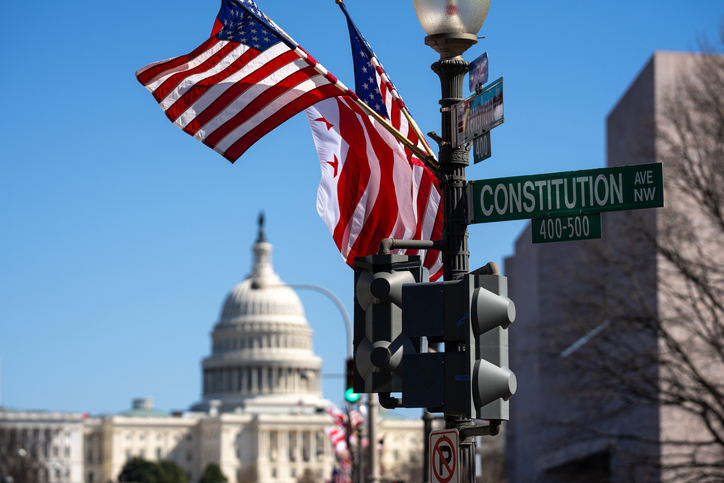
The fascination with American politics is a global phenomenon, driven by the influence of U.S. media, technology, and academic institutions. Yet, the true significance of these elections is often questioned. Are these events as monumental as they’re portrayed, or simply part of the ongoing political theater?
Examining the U.S. elections through various lenses offers different perspectives. Up close, the recent elections were a significant setback for the Republicans and the MAGA movement, losing both the House and the Senate. This result renders President Trump’s administration somewhat powerless, although his ability to issue executive orders remains. Despite the political shift, immediate changes seem unlikely, though progressive alliances may push the Democrats further left.
President Trump, after urging supporters to vote as if he were on the ballot, remarked, “I wasn’t on the ballot. If I had been, I would’ve won with a landslide.” His comments reflect ongoing themes of hubris and self-assurance. Economic factors and the conflict in Iran reportedly influenced voter decisions, though political rhetoric on both sides remains charged with moral judgments and irony.
From a Distance
Historically, U.S. midterms often result in the sitting president’s party losing seats, a pattern consistent with this election. However, this cycle may have lasting impacts, notably in three areas:
1. Diminished support for Israel and increased Islamic influence in U.S. politics. Notable elections include Aber Kawas, a Palestinian American in New York, and New Jersey’s Adam Hamawy, linked to controversial figures.
2. The persistence of policies critics label as the “culture of death,” highlighted by viral videos celebrating abortion rights.
3. The rise of Christian progressivism, seen as a counterpart to Christian nationalism. This shift has led to political and theological complexities, as illustrated by reactions to certain Senate and Congress elections.
Some fear these trends point to internal decay, suggesting that without its Christian roots, America may falter. Only a return to biblical principles, they argue, can restore stability.
In the Light of Eternity
Viewing these events through an eternal lens offers a broader understanding. Matthew 24:35 reminds us, “Heaven and earth will pass away, but my words will never pass away.” In tumultuous times, this perspective provides solace, suggesting that worldly powers are transient, while spiritual truths endure.
Reflecting on historical figures like Augustine, who faced the Roman Empire’s decline, offers insights into navigating current challenges. In his work, The City of God, Augustine emphasized the Church’s enduring hope amid worldly turmoil. In similar fashion, today’s challenges may call for a renewed focus on spiritual resilience and unity.
David Robertson writes on https://substack.com/@theweeflea
More by David Robertson
What should Christians make of Tommy Robinson?
Amid calls to ‘make Britain Christian again’, here are some questions for the Church
The problem with Labour’s Islamophobia definition
This article was originally written by www.christiantoday.com