Federal Agents’ Pursuit of Critic Raises Questions About Free Speech and Government Oversight
In a series of events that have sparked a debate over the limits of free speech and government investigatory powers, federal agents pursued a New York man over an email critical of U.S. Immigration and Customs Enforcement (ICE). This pursuit involved tracking the man, David Streever, to his home, an airport, and a hotel, before federal officials defended their actions in court filings.
The email in question, sent by Streever to Todd Lyons, the former acting director of ICE, in January, was a response to a fatal incident involving federal immigration officials in Minneapolis. The email contained scathing remarks comparing Lyons to a Nazi and predicted a troubled conscience for the ICE leader.
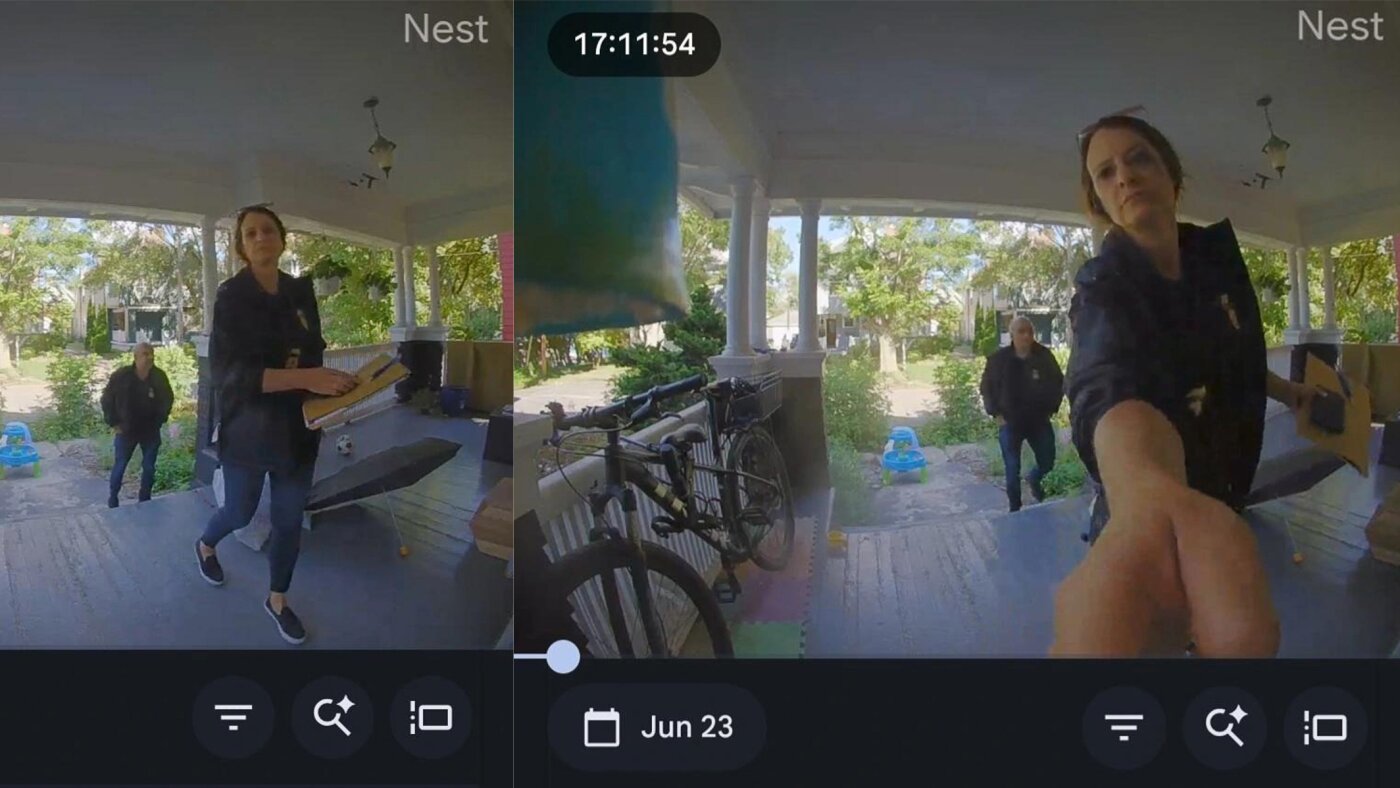
Two ICE special agents visited Streever’s home in Rochester on June 23 to question him. They left a warning notice for Streever, stating a potential violation of federal law for threats against federal officials. The notice indicated that any further actions could be considered in the context of federal law.
Streever subsequently filed a First Amendment lawsuit against the Department of Homeland Security and ICE officials, claiming their actions infringed on his right to free speech and caused him to self-censor. The lawsuit seeks to prevent further intimidation or retaliation related to his protected speech.
Lawyers from the U.S. Attorney’s office argue that the government’s actions were justified due to an increase in threats against public officials, asserting that the investigation did not violate the First Amendment. The court filing clarified that Streever’s email was not considered a prosecutable threat, acknowledging it as protected political speech. However, it emphasized the necessity of warning notices in such contexts.
Adam Steinbaugh, an attorney with the Foundation for Individual Rights and Expression (FIRE), representing Streever, expressed concerns over the implications of the government’s stance, warning of the potential for broader censorship. “If the government is able to issue a warning notice here, what’s to stop them from issuing it to anyone who criticizes ICE online?” he asked.
The pursuit of Streever extended beyond his home. Special agents traveled over 330 miles from Jersey City, New Jersey, to Rochester. When they learned Streever was in Europe, they tracked his return flight to confront him at John F. Kennedy International Airport. Upon missing him there, agents attempted to locate him at his hotel, but were unsuccessful in making contact.
The investigation concluded on June 30, after agents reported having “exhausted all investigative leads.” By then, Streever’s case had gained media attention, including coverage by a Syracuse newspaper and inquiries from NPR.
ICE’s assistant director for investigations, Brent Goodwin, indicated that the email was flagged due to “potential threatening undertones” and warranted an investigation. However, the case’s broader implications for free speech and government accountability continue to be a point of contention.
This article was originally written by www.npr.org