Immigrants Face Sudden Changes in Hearing Locations, Raising Concerns
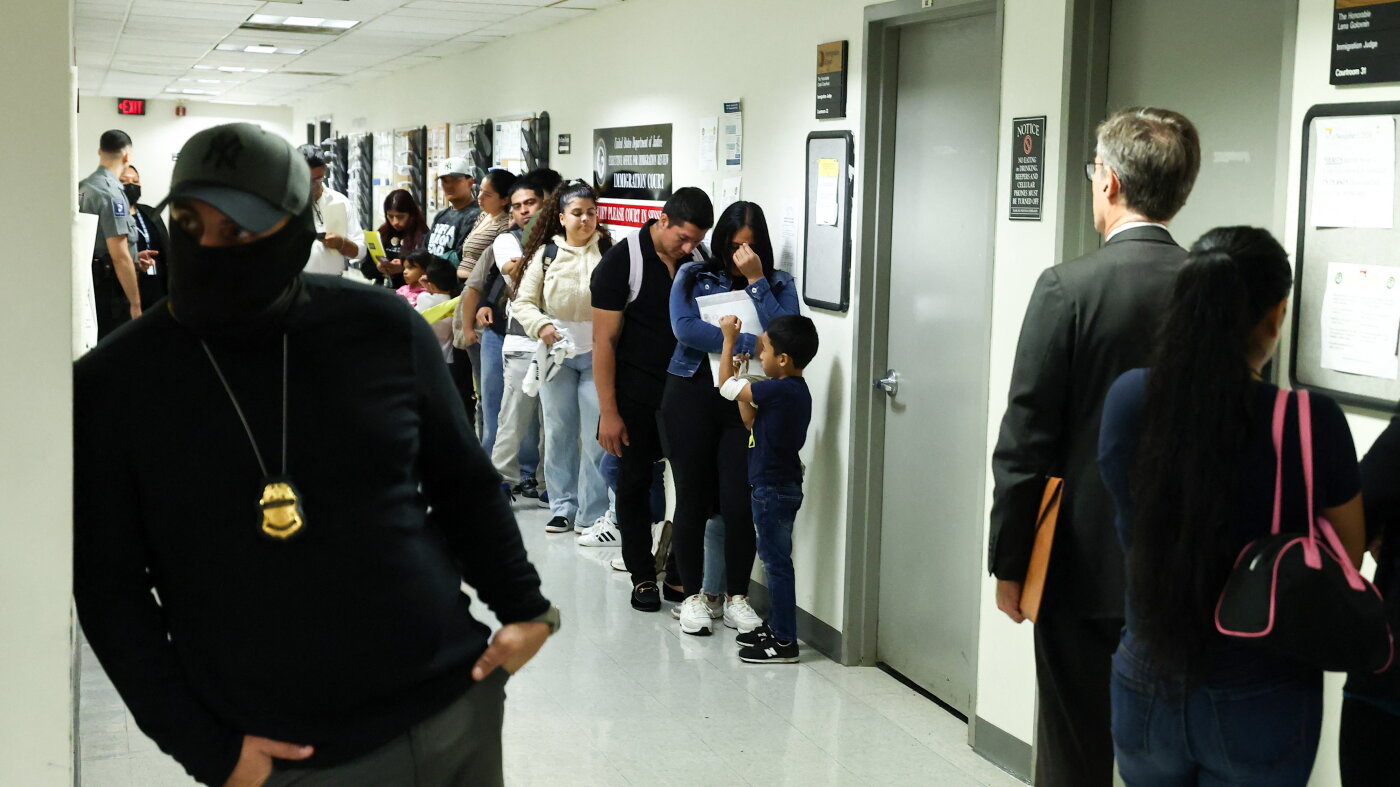
Recent developments in immigration court proceedings have left many immigrants scrambling to adjust to unexpected changes. With new hearing locations announced at the last minute, some immigrants find themselves unprepared and unaware of these shifts in their already complex legal journey.
Reports from five immigration lawyers reveal that immigrants are being informed at the eleventh hour about new in-person hearings at previously undisclosed courtroom locations. These sudden changes seem to be part of a broader effort by the Trump administration to fast-track deportations by limiting due process.
In recent weeks, immigrants scheduled to appear in Maryland and Virginia courts have been redirected to new locations in Washington, D.C., and Falls Church, Va. These sites do not typically host in-person immigration hearings, leading to confusion and concern among legal professionals.
Kel White, an officer with the D.C. chapter of the American Immigration Lawyers Association, attended a hearing at one of these new venues. She described the setting as “the most unusual thing I’ve ever seen” in her legal career, with an in-person immigrant facing a remote judge and prosecutor.
White highlighted that the abrupt changes violate Justice Department regulations requiring a minimum of ten days’ notice for new hearing dates. “My concern about these hidden tribunals is that essentially people are not getting notice of them or that the mail would not arrive in time,” she stated.
The new notifications predominantly target immigrants without legal representation, further complicating their ability to navigate the system. Missing a hearing, even unintentionally, can lead to an “in-absentia order of removal,” allowing for immediate detention and deportation.
As the Executive Office for Immigration Review (EOIR) continues to adjust schedules and add judges, they have stated their commitment to ensuring timely and lawful case handling. However, questions about the legitimacy and purpose of these new hearing locations remain unanswered.
While the Trump administration aims to reduce the backlog of approximately 3.5 million immigration court cases, these tactics raise concerns about access to fair legal proceedings. The use of unfamiliar locations adds another layer of complexity and confusion for immigrants seeking justice.
White and other attorneys report that the Falls Church location, typically an adjudication center, has now hosted hearings in conference rooms with remote judges. This change in practice further emphasizes the disconnect and lack of transparency in the immigration court system.
The D.C. location at 400 C St SW, set to host hearings soon, is not a Department of Justice facility, adding to the uncertainty surrounding these procedural changes.
In some instances, immigrants have had to cross state lines for hearings that should have been held closer to home. Lucelia Justiniano, an immigration attorney, shared an experience of a client who faced such a situation after not receiving mailed notice of a new hearing location and date.
The administration’s tactics, including “mega master calendar” hearings with large groups of immigrants, have led to a rise in in-absentia deportation orders and a decline in asylum approvals. These strategies appear to disproportionately impact immigrants without legal representation, stacking odds against them.