Carlitos Ricardo Parias’ Detention Spotlights Systemic Issues in Immigration Enforcement
In a complex web of immigration enforcement and legal battles, Carlitos Ricardo Parias’ situation has captured attention. His detention at the Adelanto Detention Center in California brings to light the intricate challenges faced by detainees within the immigration system.
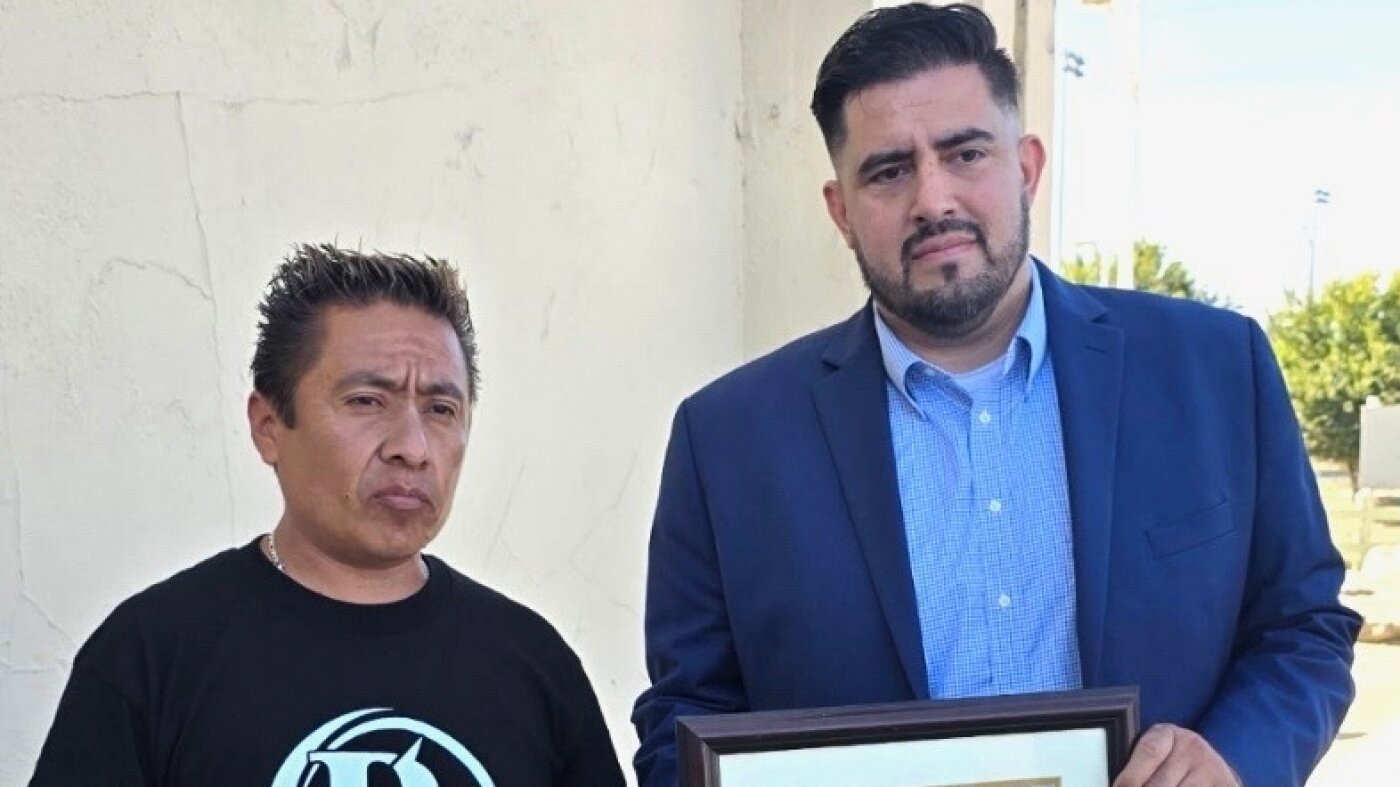
Every Saturday, Ulises Parias makes a two-hour drive to visit his father, Carlitos Ricardo “Richard” Parias, at the detention center. Their conversations often touch upon family matters and college updates, but Parias’ health issues, stemming from a gunshot wound inflicted by federal agents, remain a pressing concern. Immigration attorneys claim that Parias is not receiving adequate medical care, including necessary pain relief and physical therapy.
Ulises recalls the distressing day of the incident: “The last thing he told me was, have a good day at school. Then, like five minutes later, I heard some commotion outside,” he told NPR. This encounter resulted in Parias’ arrest and subsequent detention.
Parias’ case exemplifies the hurdles within the judicial and detention system. Despite attempts by his lawyers to secure his release during the ongoing immigration proceedings, their efforts have been unsuccessful. The case underscores the struggles many detainees without criminal records face in seeking recourse.
Recent scrutiny of federal law enforcement’s use of force has intensified following incidents involving federal agents in Minneapolis. Parias’ situation highlights the intersection of such issues with the conditions in detention centers.
“There are not enough people, and there’s not enough concern. And that’s leading to permanent disability and death,” said Margaret Hellerstein, Parias’ attorney. She emphasizes the legal challenges and resource limitations faced by detainees like Parias.
Activism and the Encounter with ICE
Parias’ journey in the U.S. began in 2002 when he entered the country illegally from Mexico. He had been living in Los Angeles with his U.S. citizen children and had gained a social media following, monetizing his TikTok account. His activism, documenting immigration arrests, eventually drew the attention of ICE.
In a confrontation with federal officers, Parias was shot while in his car, an incident captured in body camera footage. The footage reveals the tense moments leading to the shooting, with officers issuing commands and Parias pleading in Spanish.
Following the incident, Parias faced federal charges of assaulting an officer, despite having no prior criminal record. Medical records indicate ongoing pain and limited mobility, yet his attorneys argue for necessary medical attention.
Legal and Legislative Hurdles
Parias’ detention is linked to the Laken Riley Act, a law signed by President Trump that expanded ICE’s detention scope. Despite a judge dismissing the charges against Parias, the government is appealing, complicating his legal situation. Meanwhile, a habeas petition seeks to challenge his detention.
Efforts to secure bond for Parias have been thwarted by the Laken Riley Act, which limits judicial discretion in such cases. “No one is eligible for bond. No one is eligible for a [bond] hearing … You have to file a habeas,” Hellerstein noted. The ongoing detention reflects broader policy impacts on detainees.
Seeking Solutions Amidst Policy Challenges
With limited oversight tools, Democratic lawmakers like Rep. Sydney Kamlager-Dove are advocating for detainees’ welfare. Kamlager-Dove has visited Parias and communicated with DHS, pushing for adequate medical treatment.
Despite recent congressional funding for immigration enforcement, internal oversight remains unfunded, hindering efforts to address conditions within detention centers. Lawmakers are eyeing upcoming elections as opportunities for potential change.
Parias’ son, Ulises, remains hopeful for his father’s release, balancing family responsibilities and his own academic pursuits. As the legal battles unfold, the Parias family’s experience highlights the human aspect of immigration policies.