
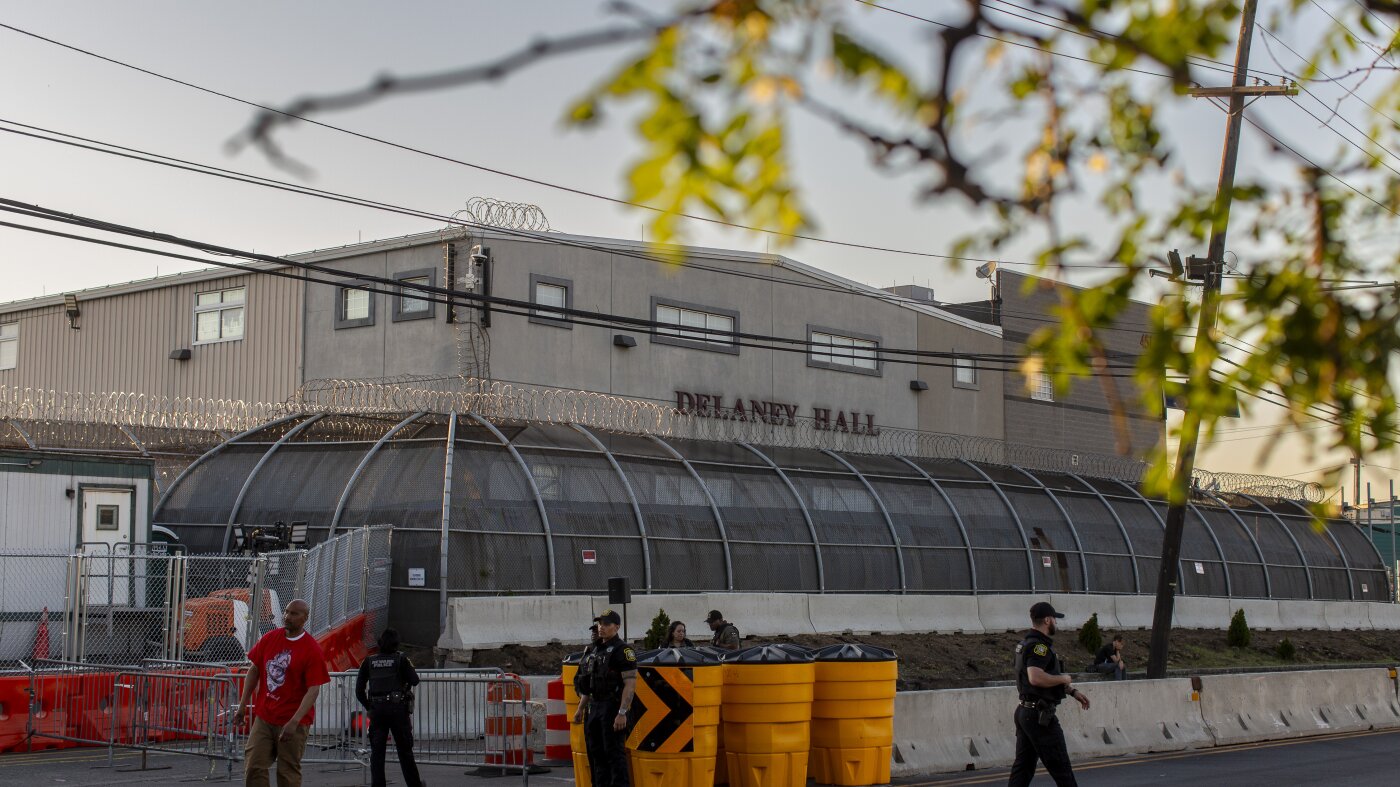
Immigration Detention Grievance System Faces Allegations of Dysfunction
Amidst reports of escalating inhumane conditions, the immigration detention grievance system, once a pivotal mechanism for accountability, is now under scrutiny for its alleged ineffectiveness. This system, intended to provide a secure avenue for detainees to report misconduct without fear of retaliation, has been criticized for its lack of operational transparency and efficacy.
The grievance system was originally established as a crucial oversight tool within detention centers managed by Immigration and Customs Enforcement (ICE) and private-prison contractors. However, an NPR investigation indicates that this system is largely non-functional, leaving detainees with limited recourse against issues like mistreatment, poor sanitation, medical neglect, and sexual abuse. The dismantling of other oversight offices during the Trump administration has further weakened safeguards for immigrants.
According to NPR’s findings, the breakdown of the grievance process has been linked to a disturbing rise in detainee deaths—53 since President Trump’s second term began. Detainees report that the lack of accountability contributes significantly to these fatalities, prompting desperate measures like hunger strikes as a form of protest.
Efforts to investigate these grievances are hindered by limited transparency and adherence to guidelines. The Department of Homeland Security (DHS) has not provided clear answers regarding the training of employees or the enforcement of grievance procedures by major contractors such as CoreCivic and The GEO Group. Instead, DHS referred to the 2011 Performance-Based National Detention Standards.
D.E.’s Ordeal
One detainee, identified only as D.E., has faced severe medical neglect while in detention. Despite having a brain tumor and requiring chemotherapy, D.E. was denied timely medical treatment after being detained by ICE. He experienced multiple seizures due to inconsistent medication delivery, highlighting the grave consequences of the system’s failures.
D.E.’s grievances filed at the California City Detention Center remain unanswered, despite guidelines mandating prompt responses. His case exemplifies the systemic issues plaguing the grievance process, where detainees’ complaints often lead to no meaningful action or remedy.
Oversight Erosion
The erosion of oversight mechanisms has exacerbated these problems. The Office of Detention Oversight and the Immigration Detention Ombudsman’s office have been severely underfunded and understaffed, limiting their ability to investigate abuses effectively. The Office for Civil Rights and Civil Liberties also saw significant budget cuts, leaving numerous civil rights complaints unaddressed.
Critics argue that the lack of data on grievances and their outcomes prevents lawmakers and activists from identifying patterns of abuse within detention facilities. The ACLU of Northern California’s study, Resistance, Retaliation, Repression: Two Years in California Immigration Detention, supports these concerns, showing that a majority of grievances are rejected or left unresolved.
CoreCivic’s spokesperson, Ryan Gustin, claims that grievance processes are robust and monitored by ICE, yet inconsistencies in the treatment of complaints persist. Detainees like D.E. often find themselves at the mercy of an opaque and unresponsive system.
Congressional Oversight Challenges
Despite legal authority to conduct unannounced visits, federal lawmakers face obstacles in assessing detention conditions. Texas Congressman Joaquin Castro reports difficulties in accessing facilities and detainees, citing restrictive ICE policies. His experiences reveal operational violations, such as issues with anonymous abuse reporting lines.
Ongoing legal actions, such as the class-action suit against the Adelanto Processing Center, aim to address these systemic issues. The lawsuit challenges the facility’s grievance process, alleging it to be slow and ineffective, with detainees pressured to withdraw complaints for basic assistance.
D.E.’s case, and many others like it, highlight the urgent need for reform in the immigration detention grievance process, ensuring that detainees’ rights and well-being are protected.




