The Uncertain Path to Peace: Delays and Defiance in U.S.-Iran Negotiations
Amidst a backdrop of high tension and global attention, Vice President JD Vance’s planned negotiations with Iran have been unexpectedly postponed. This delay has left many questions unanswered as the world watches the delicate peace process unfold.
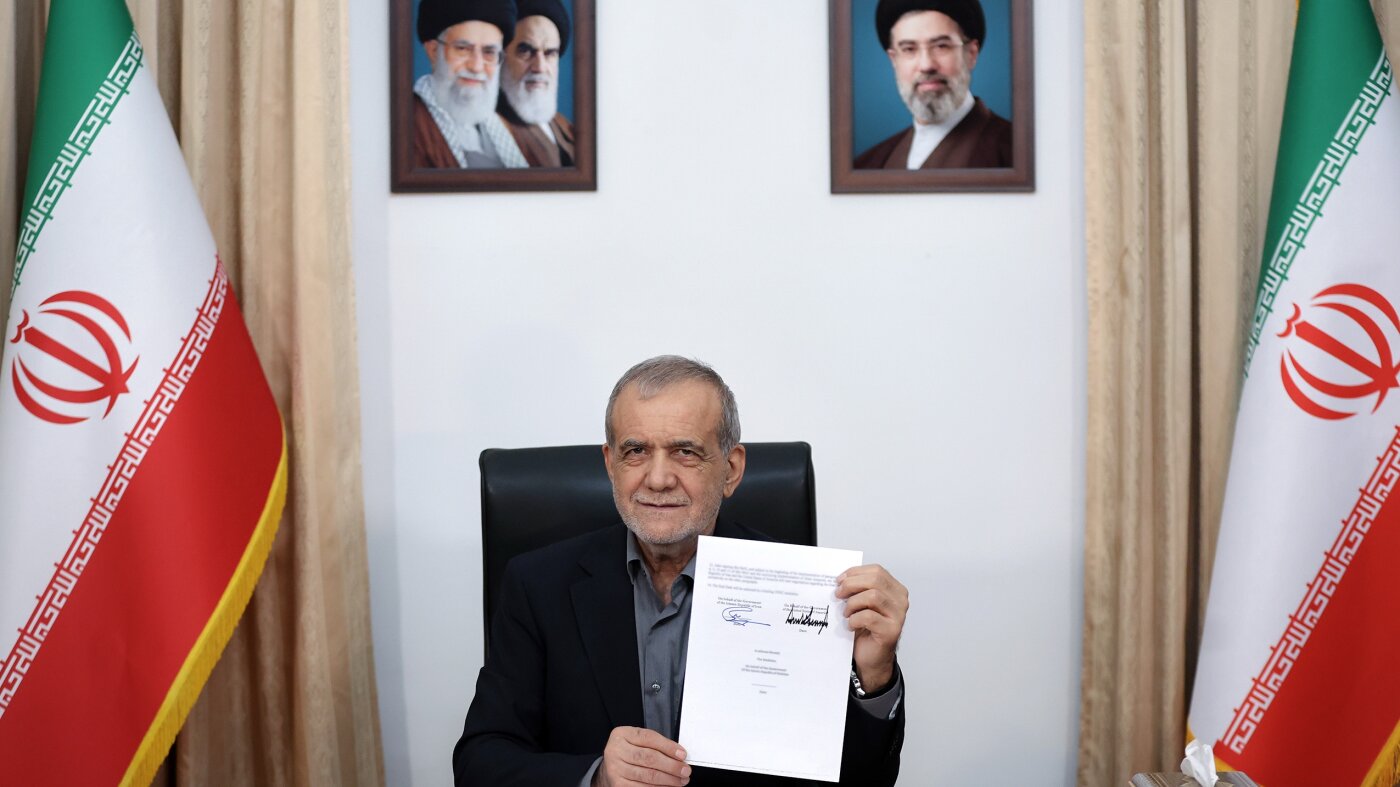
The sudden postponement occurred in Lucerne, Switzerland, where a large contingent of journalists had gathered. The abrupt change has sparked doubts about the viability of the memorandum of understanding signed by President Trump, which aims to end ongoing hostilities.
The agreement faces immediate challenges. Despite the promise of a ceasefire, Israel continues its military operations in Lebanon, where recent strikes have resulted in casualties on both sides. Lebanese media reported 18 fatalities overnight, while Israel confirmed the loss of four soldiers in the conflict.
US Lifts Naval Blockade
The preliminary truce, which has already facilitated the lifting of the U.S. naval blockade on Iran, represents a significant step towards ending the three-and-a-half-month conflict. The agreement also seeks to reopen the Strait of Hormuz, a critical shipping lane for global oil supplies.
President Trump celebrated this development on Truth Social, declaring, “Ships of the World, start your engines. Let the oil flow!” Nonetheless, he acknowledged the fragility of the memorandum. At the G7 summit, Trump stated, “It’s a memorandum of understanding. If I don’t like it, if they don’t behave, we’ll go right back to dropping bombs right smack in the middle of their head.”
The memorandum does not address longstanding grievances between the U.S., Iran, and Israel, providing only a temporary framework for further dialogue.
Israel’s Opposition to the Deal
Despite the agreement’s promise to halt military operations, Israel has maintained its military presence in southern Lebanon, citing security concerns related to Hezbollah. Iranian Foreign Minister Abbas Araghchi has insisted on Israel’s withdrawal as a precondition for peace, stating, “Without the withdrawal of Israeli forces from the territories they occupied during this war, the war has not fully come to an end.”
Israel was not a direct participant in the U.S.-Iran negotiations. However, Trump’s administration shared the agreement with Israeli Prime Minister Benjamin Netanyahu, who remains opposed, asserting that Israeli troops will stay in Lebanon as long as necessary for security reasons.
This situation has exacerbated tensions between Trump and Netanyahu, with Trump describing Netanyahu as a “very difficult guy” in a recent interview with The New York Times.
Israel’s military has released maps indicating expanded areas of southern Lebanon under its control, and Israeli officials have expressed their disapproval of the agreement.
Economic Considerations in the Deal
The memorandum’s economic implications are substantial, including a $300 billion reconstruction fund for Iran, with Gulf Arab nations expected to contribute. The U.S. will also unfreeze Iranian assets, potentially totaling tens of billions of dollars.
In addition, the deal includes plans to issue waivers allowing Iran to sell oil, marking a significant shift in U.S. policy.
These economic measures reflect a shift in priorities for the Trump administration, which seeks to prevent an economic downturn exacerbated by rising oil prices and inflation.
Iran’s Strengthened Position
Despite initial expectations of regime change in Iran, the conflict has paradoxically strengthened Iran’s position. The country’s control over the Strait of Hormuz has given it leverage in negotiations, leading to concessions from the U.S.
Critics of the Trump administration argue that the ceasefire merely restored the status quo, with Iran emerging in a stronger negotiating position.
While new talks are planned, Iran’s resolve and strategic position have been underscored, demonstrating its influence on the global stage.
This article was originally written by www.npr.org