(Photo: Getty/iStock)
The historical and biblical relevance of modern-day Iran is a topic of much intrigue and exploration. Although the name “Iran” is absent from the Bible, the land’s ancient peoples and empires are woven into the biblical narrative. This exploration sheds light on the connections between Iran’s past and biblical history.
The Origins of “Iran”
Modern Iran is a tapestry of diverse peoples and languages, with Persian, or Farsi, as the dominant language. The name “Iran” is derived from “Aryan,” meaning “land of the Aryans.” Historically known as Persia, the term traces back to “Parsa,” the region’s name in Southwest Iran where the Persian Empire was born. This name, influenced by Greek, was used by Western cultures, while the locals referred to their land as Iran. The official adoption of the name Iran occurred in 1935, after centuries of being known as Persia. The nation was ruled by successive Shahs until the Islamic Revolution in 1979.
Iranians in Biblical Texts
Iranians are traditionally considered descendants of Noah’s grandsons, Madai and Elam. The biblical tales of Daniel and Esther take place in what is now Iran, and Persian kings are mentioned in the books of Ezra and Nehemiah.
The Medes and Elamites
The Medes, believed to descend from Madai, the third son of Japheth (Genesis 10:2, 1 Chronicles 1:5), are associated with the region now known as northwest Iran. Meanwhile, Elamites, descendants of Elam, the son of Shem (Genesis 10:22, 1 Chronicles 1:17), lived in an ancient kingdom east of the River Tigris. The Elamites built Shushan, now Susa, a UNESCO World Heritage Site and a significant city in biblical accounts.
Jewish Exile in Media and Elam
Jewish exile to regions now known as northern Iraq and Iran occurred due to successive deportations. In the late 8th century BC, the northern tribes were relocated by the Assyrians to areas such as Media (2 Kings 18:11-12). Later, during King Nebuchadnezzar II’s reign, the Jews were exiled to Babylon and other parts of the empire, including Elam, after Jerusalem’s fall in 586 BC.
The Influence of Persian Kings
King Cyrus the Great, known for his tolerance, allowed Jewish exiles to return to their homeland around 538 BC, as noted in 2 Chronicles 36:22-23. His successors, including Darius and Xerxes, continued to play significant roles in biblical events, with Darius permitting the rebuilding of the Jerusalem Temple (Ezra 6:15) and Xerxes featured prominently in the story of Esther.
From Ancient to Modern Times
The biblical narrative concludes with the Medo-Persian Empire’s overthrow by Alexander the Great, followed by the Seleucid and Parthian empires. In the New Testament, Persians appear again, possibly as the Magi visiting Jesus, and at Pentecost, representing Jewish communities from Persia (Acts 2:8-11).
Religious Continuity and Change
Early Christianity spread to Persia, with figures like the Apostle Thomas evangelizing there. However, with the rise of Islam, the region’s religious landscape shifted, though minority communities of Jews, Christians, and Zoroastrians persisted.
Historical Sites and Pilgrimage
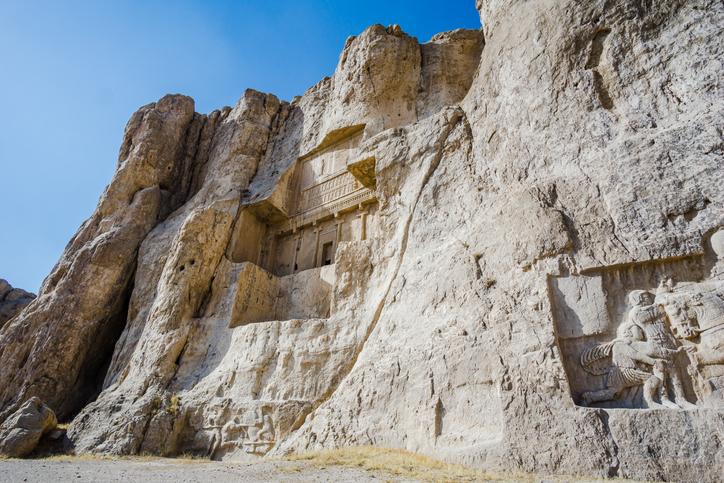
Iran hosts the tombs of several Persian kings mentioned in the Bible, such as Cyrus the Great in Pasargadae. Additionally, sites believed to be the tombs of biblical figures like Daniel, Esther, and Mordechai attract pilgrims of various faiths.
While the ancient connections between Iran and biblical history are profound, the modern landscape reflects both continuity and change, with a revival of interest in the Bible and Christianity among Iranians today. However, geopolitical tensions often place local Jewish and Christian communities in precarious positions, facing challenges due to political conflicts beyond their control.
This article was originally written by www.christiantoday.com