(Photo: Aid to the Church in Need)
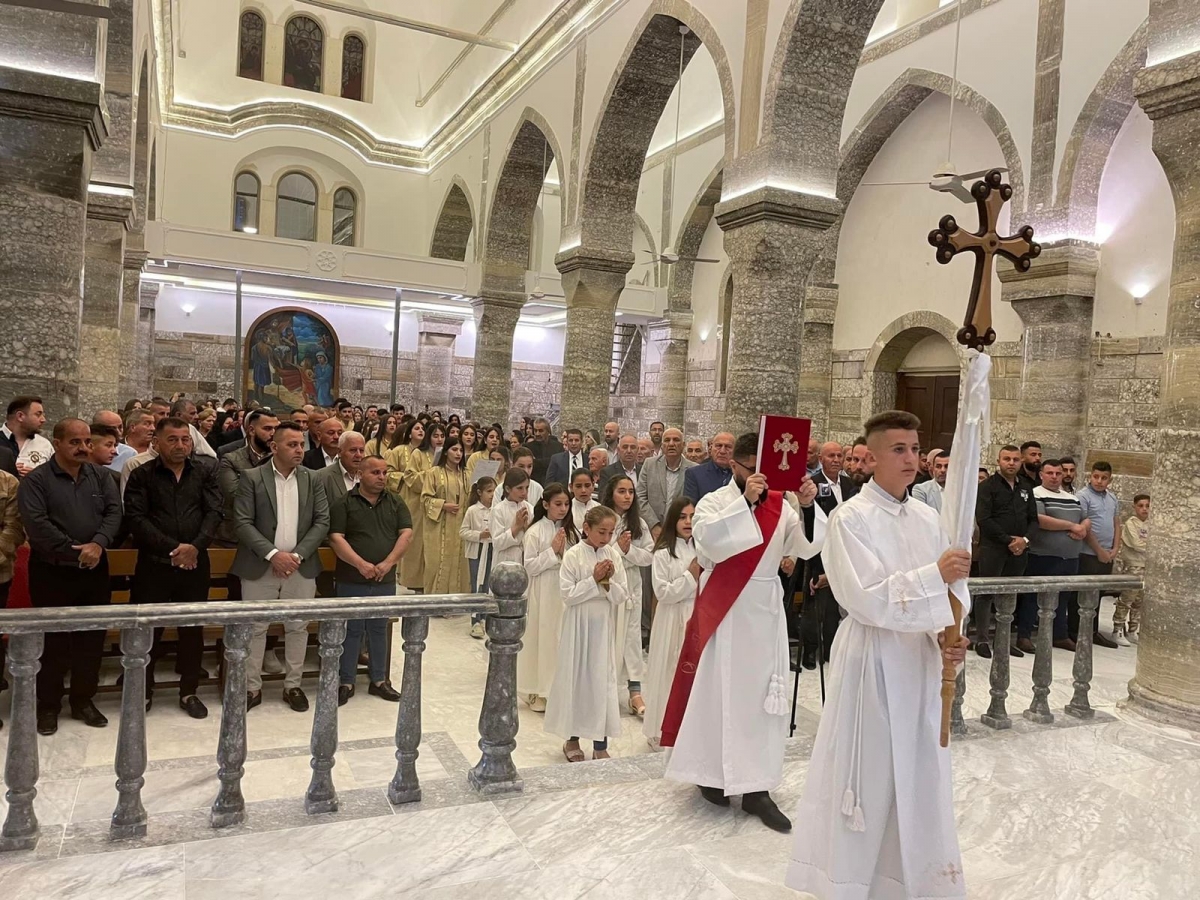
In a bid to rejuvenate Iraq’s dwindling Christian community, Catholic bishops are preparing to convene next month to deliberate on a government initiative. This proposal seeks to entice the return of Christians who have fled the country over the past two decades.
Before the turmoil following the 2003 US-led invasion, Iraq was home to approximately 1.5 million Christians. However, the subsequent years of unrest and threats, including those from the Islamic State, have dramatically reduced their numbers. Today, the population stands at less than 250,000.
Prime Minister Ali al-Zaidi of Iraq has made a public appeal to encourage Christians to return, with promises of investments in critical sectors like health and education, alongside land distribution plans.
Despite these incentives, many remain wary. Long-standing issues such as discrimination, lack of political voice, and unlawful land seizures have yet to be resolved. Additionally, there are concerns about the government’s capability to safeguard against militant threats.
Some observers suggest the Prime Minister’s outreach could be seen as an effort to garner favor with the US, particularly with President Donald Trump, who has emphasized protecting Christians globally.
The Catholic bishops’ meeting in Ankawa will likely address these concerns, especially with fears that without decisive action, the Christian community in Iraq could shrink further.
Recently, significant discussions took place between Chaldean Catholic Patriarch Paul III Nona, Chaldean Archbishop Bashar Warda of Erbil, and the Iraqi Prime Minister. During their meeting, the Prime Minister expressed a strong desire for Christians to invest in Iraq, particularly in health and education sectors.
Archbishop Warda conveyed to Aid to the Church in Need (ACN) that the Church received the Prime Minister’s appeal positively. “The Prime Minister has lived among Christians, so he knows them very well,” he stated.
“He said he would love to see Christians working in health and education because he trusts them, and knows the quality of the education and the healthcare they provide. He told us to count on him for whatever we need, and that is very encouraging.”
This article was originally written by www.christiantoday.com