Revamping Gaza: A Bold Vision for the Future Amidst Controversy
In the heart of the Middle East, a vision for revitalizing Gaza has emerged, promising modern infrastructure and economic prosperity. Yet, this ambitious plan has sparked significant debate and raised questions about its feasibility and inclusivity.
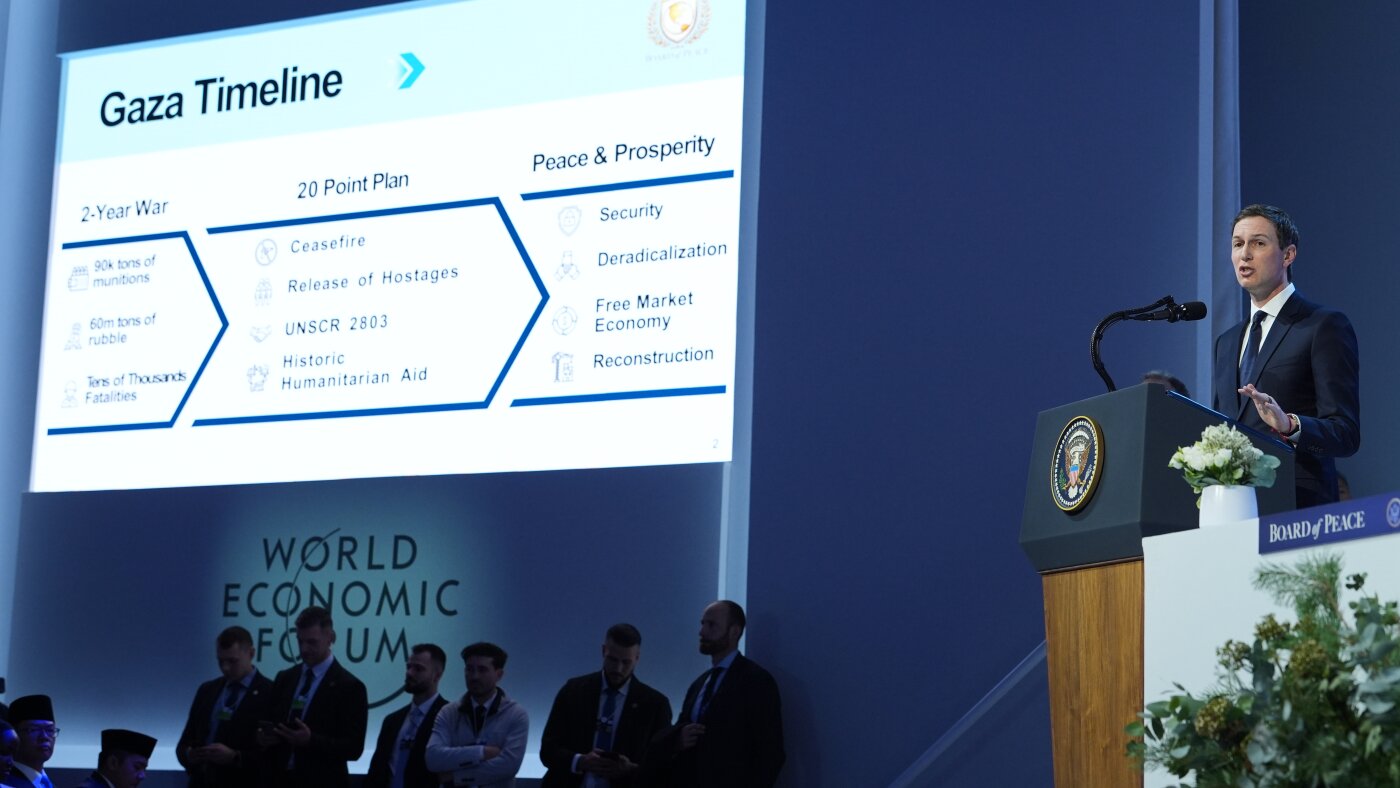
Jared Kushner, senior advisor to former President Donald Trump, recently unveiled the “New Gaza” initiative at the World Economic Forum in Davos, Switzerland. The proposal aims to transform the war-torn region into a thriving hub with industrial zones, residential areas, and tourist attractions.
“We’ve already started removing the rubble and doing some of the demolition,” Kushner stated during the presentation. He envisions “New Gaza” as a place where people can “thrive, have great employment.”
Covering a narrow expanse of land, the Gaza Strip is home to about 2.2 million people. The region has been devastated by conflict, leaving most residents in temporary shelters or damaged homes. The World Bank estimated infrastructure damage at over $18 billion in 2024.
Key Features of the “New Gaza” Plan
1. Housing and Industrial Zones
The plan outlines four residential districts interspersed with parks and industrial areas. However, critics note that the space allocated for housing is less than before the conflict, which could imply a reduced population.
2. Urban Restructuring
Phased construction will begin in the south, with northern cities like Beit Lahia and Jabalia potentially being replaced by agricultural and industrial areas. This reshaping raises concerns about the erasure of existing communities.
3. Infrastructure Development
A new airport, port, and logistics hub are proposed in the southern region, although the Rafah border crossing with Egypt would be relocated and renamed.
4. The Emergence of “New Rafah”
Rafah is set to become a logistics center with substantial housing, suggesting a population shift southward. However, current conditions in Rafah include military occupation and a lack of residents.
5. Tourism and Economic Growth
The plan envisions Gaza’s coastline as a tourist destination with luxury towers, a stark contrast to the current landscape. These developments could potentially exclude local residents due to high costs.
Despite its ambitious scope, the “New Gaza” plan lacks clarity on land ownership and housing allocation. There is no mention of how displaced families will be accommodated or how local opinions were considered in the planning process.
Critics argue that the proposal overlooks the needs and rights of Palestinians, treating Gaza as a mere investment opportunity. The plan’s reliance on Israel’s military strategy and the absence of Palestinian consultation further complicate its implementation.
For further details, see the World Bank’s report on Gaza’s infrastructure damage and U.N. findings on the situation in Gaza.