The Intricacies of Worship: When Expression Meets Intention
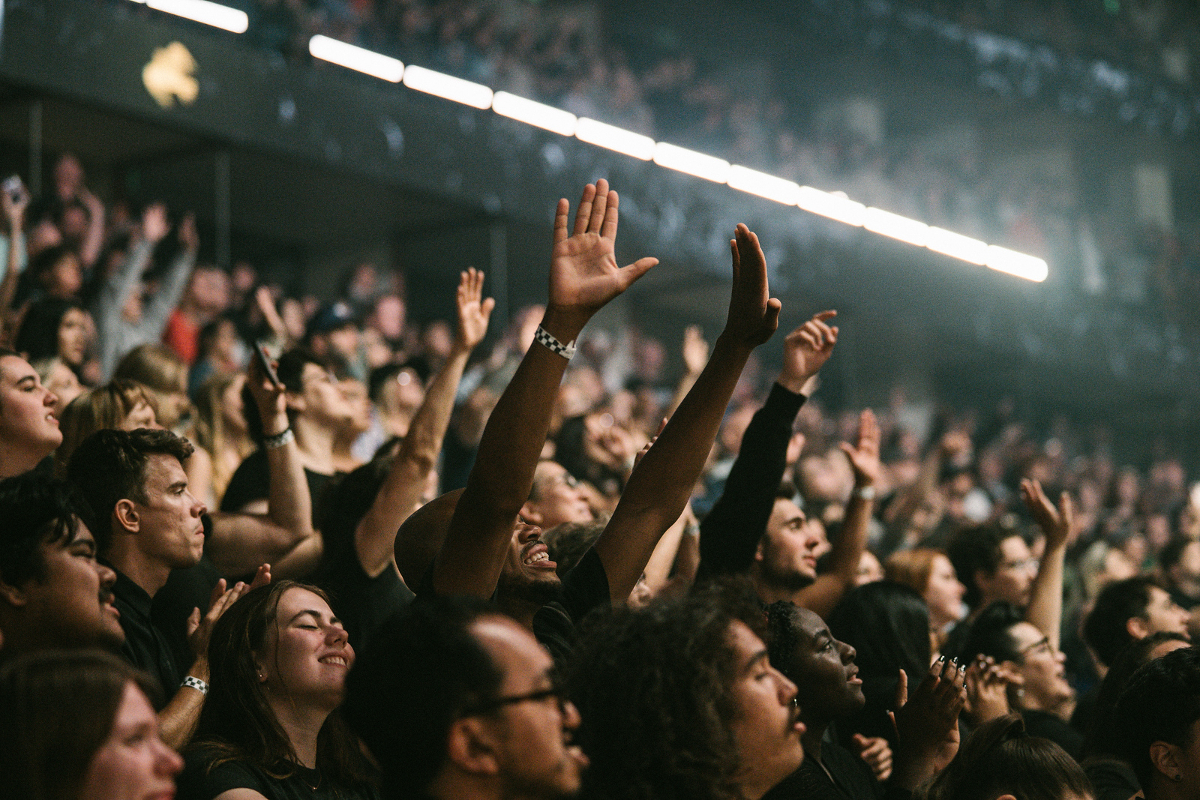
In contemporary Christian worship, the question arises: Are believers’ outward expressions, like raising hands and sharing scripture online, genuine acts of faith, or do they risk becoming performances seeking approval from others?
During a recent episode of the “Ask Pastor John” podcast, theologian John Piper explored this dilemma. The discussion centered around Jesus’ warning in Matthew 6 about practicing righteousness to be noticed by others.
Piper, the founder of Desiring God, emphasized that Jesus’ concern is not the physical actions themselves but the motivations behind them. “The question is our motive, not first our action,” Piper stated, highlighting the importance of seeking God’s approval over human admiration.
Matthew 6, Piper explained, serves as a test of believers’ spiritual authenticity, questioning whether God’s presence as a Father, and His rewards, are more significant than human praise. These teachings, he noted, expose the heart’s condition rather than create a list of prohibited public behaviors.
Piper argued that Christians must live visibly faithful lives, referencing Matthew 5:16, where Jesus encourages displaying good deeds for divine glory. However, he cautioned that no action is spiritually “safe,” as pride can infiltrate even the most humble gestures. “There are no safe spaces. There are no safe behaviors in this world — none,” Piper noted.
According to Piper, the essence of Matthew 6 applies broadly, affecting worship practices, church attendance, public prayers, and social media conduct. The fine line between genuine faith and performance is crossed when actions arise from a desire for human acclaim, lack love for others, or seek self-glory over honoring God.
In settings where no one raises their hands during worship, Piper suggested using discernment and love to guide personal expressions, reflecting on Philippians 1:9, which underscores the need for love coupled with discernment.
The ultimate concern, Piper reiterated, is whether believers prioritize God’s presence and promises above public acknowledgment. “Public faithfulness becomes public performance when we fail to hope that God will be glorified more than we will be glorified,” he stated.
Echoing Piper’s sentiment, Sam Andres, a pastor, in a 2023 article for The Gospel Coalition, argued for the natural and scriptural roots of physical expressiveness in worship. Andres likened raised hands in worship to sports fans celebrating or mourners expressing grief, emphasizing that incorporating both body and soul enhances engagement during prayer and worship.
Nonetheless, Andres warned against “hyper-individualism” in worship, suggesting that corporate worship should focus on collective glorification of God rather than individual display. “When physical expression draws attention to the individual,” Andres wrote, “we should consider whether it’s an aid in glorifying God together — or an unhelpful distraction.”
This article was originally written by www.christianpost.com