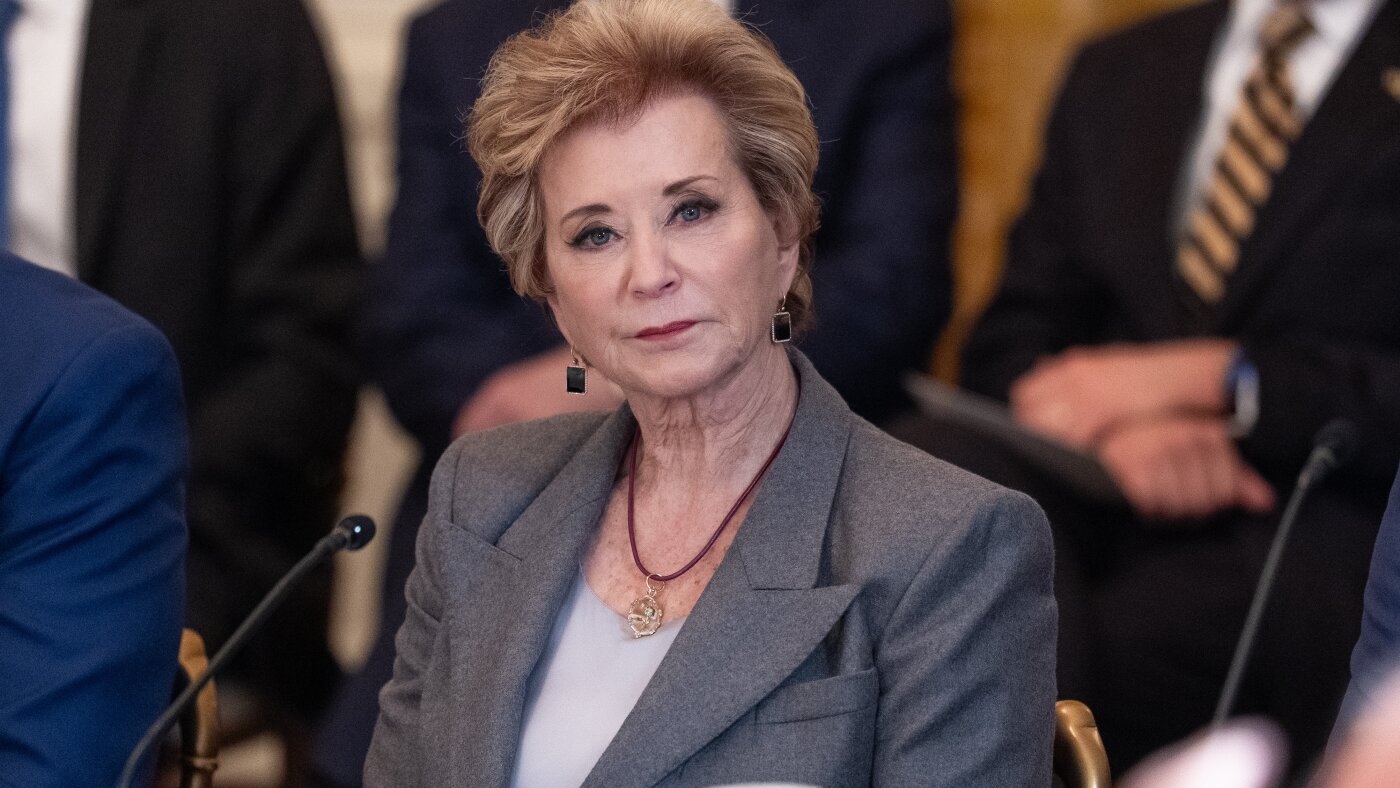
Education Secretary Defends Department Changes Amid Criticism from Senate Democrats
During a contentious session on Capitol Hill, U.S. Education Secretary Linda McMahon faced tough questions about her department’s direction and proposed budget cuts. While the hearing was meant to discuss the White House’s education spending plan for 2027, it quickly turned into a broader evaluation of McMahon’s leadership and strategic decisions.
McMahon, making her first appearance before the Senate in nearly a year, encountered mixed reactions. Some Republicans, such as Louisiana’s Sen. John Kennedy, praised her efforts to expand school choice. However, Democrats and some Republicans expressed concern over proposed reductions to TRIO, a federal program supporting underprivileged students’ college aspirations.
Restructuring Federal Education Services
Sen. Patty Murray, a Democrat from Washington, questioned the shift of certain services away from the Education Department, forcing parents to contact multiple federal agencies. McMahon countered that the quality and funding of services would remain unchanged, regardless of departmental restructuring.
Special Education Spending and Oversight
The proposed budget includes a $539 million increase for the Individuals with Disabilities Education Act (IDEA), bringing total funding to $16 billion. Despite this boost, McMahon plans to shift IDEA oversight to other federal agencies, a move opposed by special education advocates, who fear it could reframe disabilities as health issues rather than educational needs. McMahon assured that services would not suffer regardless of the overseeing body.
Civil Rights Office Funding Concerns
The Office for Civil Rights (OCR) at the Education Department, which deals with discrimination complaints, faces a proposed 35% budget cut. McMahon expressed disagreement with this reduction, acknowledging the need to hire more lawyers to address a backlog of cases. Sen. Chris Murphy criticized the cuts, highlighting the impact on investigations, particularly those involving students with disabilities.
Support for Low-Income Students
The TRIO programs, aiding low-income and first-generation students, were a focal point of the hearing. While TRIO enjoys bipartisan support and serves over 800,000 students annually, McMahon labeled the programs as ineffective based on internal metrics. She suggested a shift towards workforce training, sparking opposition from several senators who advocate maintaining the current college readiness focus.
Student Loan Management Issues
With $1.7 trillion in federal student loans, the department is transitioning oversight to the Treasury Department, leaving many borrowers in uncertainty. Sen. Jeff Merkley pointed out delays in the Public Service Loan Forgiveness program, a process intended to be completed in 45 days but often taking up to a year. McMahon acknowledged these issues and emphasized ongoing efforts to find a solution.
Education Correspondent Cory Turner contributed to this story.