The Methodist Church in Britain is realigning its environmental strategy by shifting its focus away from a strict Net Zero by 2030 target. This decision comes after reflections on the feasibility and sincerity of such a goal, with a fresh emphasis on genuine and consistent ecological advancement.
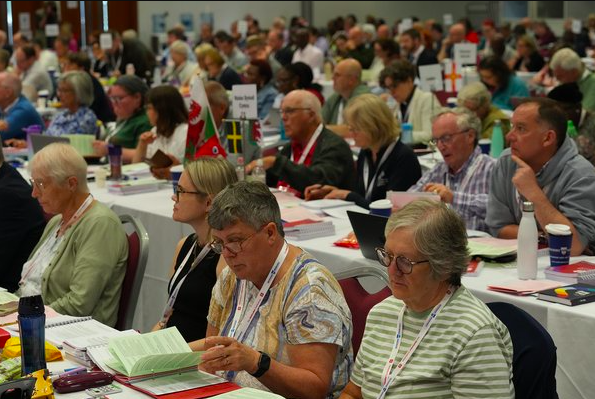
During its annual assembly, the Methodist Conference reviewed its progress toward the ambitious Net Zero objective. Although numerous Methodist congregations have made notable strides in reducing their carbon footprint, crafting effective strategies has proven challenging for some. Consequently, the Connexional Council, which executes the Methodist Conference’s resolutions, has suggested letting go of the 2030 deadline to maintain integrity and avoid the perception of “greenwashing.”
The Council advocates for a “more flexible” approach, prioritizing sustainable and continuous carbon reduction efforts. This strategy, while possibly appearing like a retreat in the short term, aims to be more honest and achievable.
Dr. Hamish Leese, Director of Environmental Engagement at the Methodist Church, remarked on the spiritual and practical significance of addressing the climate emergency. “In 2021 the Methodist Conference agreed and affirmed that the global climate emergency is a crisis for God’s creation and a fundamental injustice,” he stated.
He continued, “It is, therefore, not only a practical issue but a deeply spiritual one, which is inextricably linked to discipleship and God’s mission which we are called to join.”
Leese commended the extensive efforts since the 2021 target was set, highlighting that numerous churches have integrated environmental concerns into their worship and teachings, decreased their energy usage, and switched to renewable energy sources.
“We have seen churches all over the country making environmental concerns part of their worship and teaching life and reduce the amount of energy they are using, as well as sourcing it from renewable sources,” he noted.
With over 1,300 Methodist churches in Great Britain now registered with Eco Church, the momentum continues to build. However, Leese acknowledged that without the aspirational 2030 target, much of the progress might not have occurred, despite the target being unattainable.
“The target was an aspirational one precisely because we knew the scale of the challenge in achieving it, and it is one which the Church has not had the capacity to achieve,” Leese explained.
He emphasized that maintaining an unachievable target would harm the Church’s credibility and open it up to accusations of “greenwashing.”
Dr. Leese stressed that the pivot from a time-bound goal does not diminish the issue’s importance to the Church. “Climate change is inherently and inescapably an issue of mission, discipleship and justice,” he asserted. This shift represents an acknowledgment of the need for realistic and practical approaches to climate action.
This article was originally written by www.christiantoday.com