An Inside Look at the Educational Struggles of Students Labeled EBD
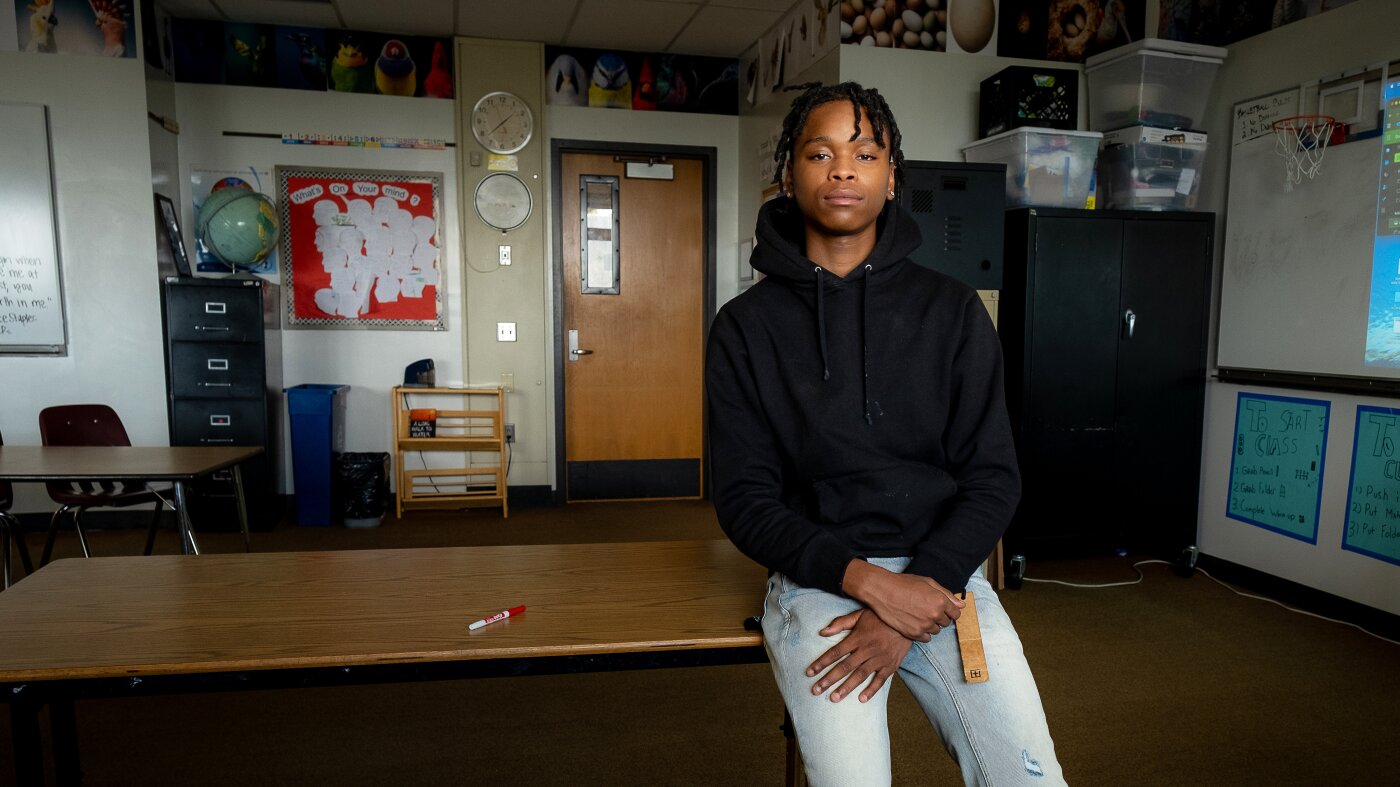
Walter, a 19-year-old student, has faced educational challenges long before his peers. His journey through the educational system highlights the difficulties faced by students labeled with emotional or behavioral disorders (EBD).
Walter’s early education was marked by constant disruptions, as he was often removed from class due to behavioral issues. “I kind of noticed that he was like really aggressive,” recalls his mother, Crystal Deramus. The turbulent home environment in Minneapolis, marked by domestic violence and Deramus’s accident resulting in paraplegia, only compounded these issues.
By kindergarten, Walter’s behavior had escalated to the point where he would frequently run away from school. His mother was relieved when a therapeutic daycare suggested he attend a high-security public school, River Bend Education Center, designed for students like him who are labeled EBD.
The EBD label is unique in special education as it doesn’t require a medical diagnosis. Instead, it relies on subjective criteria, such as difficulties in maintaining interpersonal relationships and pervasive unhappiness. This label often follows students, like Walter, throughout their education, limiting opportunities and perpetuating stigma.
Mr. K’s Classroom
Central Senior High School in St. Paul, Minnesota, is known for its diverse and rigorous academic environment. There, veteran teacher Jesse Kwakenat, known as Mr. K, works with students labeled EBD, offering specialized support. Walter joined Kwakenat’s class after years in separate, high-security schools.
Proponents of separate classrooms argue that they allow for individualized instruction by trained teachers like Kwakenat. However, critics claim that these settings can isolate students, preventing integration with their peers. In Kwakenat’s class, most students are of color and have known each other for years, often identified as EBD from a young age.
“A Bad Kid”
Walter’s journey is a testament to the challenges faced by students labeled EBD. Despite being described as brilliant by Kwakenat, Walter internalized the negative labels he received. “I was a bad kid,” he admits. This self-perception, fostered by continuous negative feedback, leads many students to embody the behavioral problems they are labeled with.
For Walter, this meant frequent suspensions, which hindered his academic progress. By the end of 11th grade, he had only half the credits needed to graduate due to repeated suspensions for fighting.
A Trauma Label
Many students labeled EBD have experienced traumatic childhoods, which some educators argue could be more accurately labeled as post-traumatic stress disorder (PTSD). The subjective nature of the EBD label often results in racial disparities, with students of color disproportionately affected. “It’s definitely true that the white kids are ending up with OHD [other health disabilities] and autism instead of EBD,” says Braden Schmitt, a school psychologist.
Experts like Rachel Fish from Smith College highlight how societal perceptions of disability influence labeling, with more objective disabilities perceived as higher status than EBD.
Finish Line Reset
In his senior year, Walter faced the reality of not graduating on time due to insufficient credits. Kwakenat recommended he attend Journeys Secondary School, which focuses on life skills rather than academic credits, supporting students until age 22.
Initially resistant, Walter eventually attended Journeys, motivated by personal circumstances. While he walked in Central’s graduation ceremony, he still needs to complete the Journeys program to earn his diploma.
Graduation
Walter’s story reflects broader challenges within the special education system, particularly for students labeled EBD. The Individuals with Disabilities Education Act (IDEA) mandates education in the least restrictive environment, but this is often interpreted as physical separation rather than integration.
Efforts like “mainstreaming” students labeled EBD have had mixed results, often hindered by implementation challenges. Some districts are now exploring wraparound services to better integrate these students into general education settings.
As Walter navigates post-graduation life, he credits Kwakenat for guidance and support. “I wouldn’t be who I am today or what path I’m trying to be on,” Walter reflects. His journey underscores the need for systemic change to better support students like him.