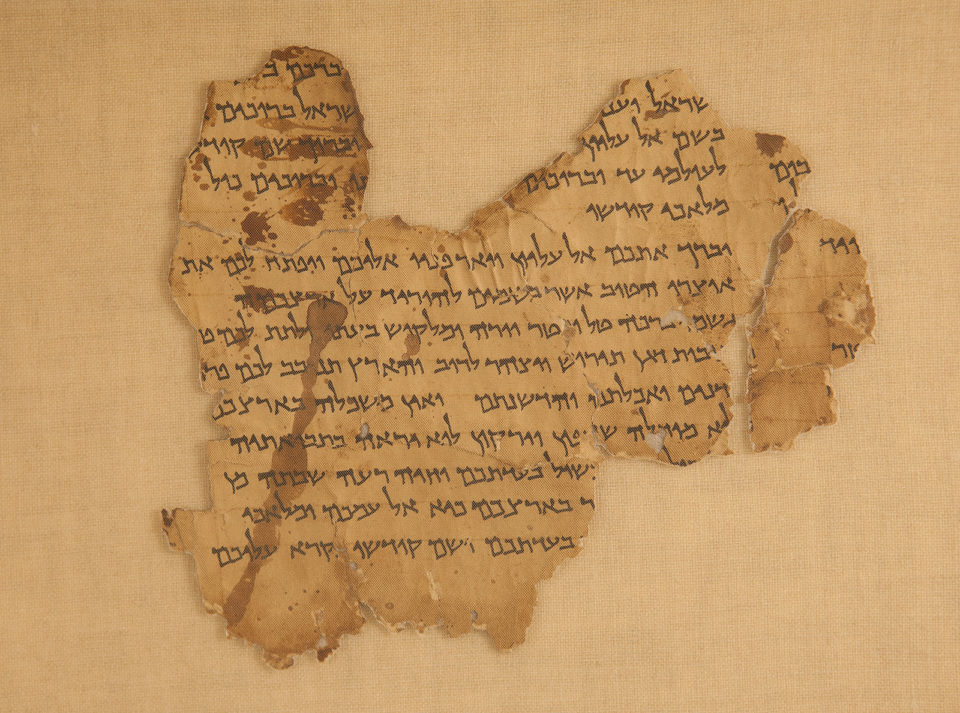
The historical enigma of the Dead Sea Scrolls is set to unravel further, as a new research initiative embarks on a five-year mission to explore their origins. Bolstered by a substantial 2.5 million euro grant from the European Research Council, this project aims to shed light on these ancient texts that have fascinated scholars and the public alike.
Unearthed in the mid-20th century, the Dead Sea Scrolls are considered one of the most significant archaeological discoveries in Christian and Jewish history. These ancient manuscripts, some dating back to the 3rd century BC, include copies of texts from the Old Testament, offering a glimpse into the religious and cultural milieu of the time of Jesus and earlier.
The research team, led by Professor Mladen Popović from the University of Groningen, seeks to determine the geographical and cultural origins of the scrolls. By collaborating with the Israel Antiquities Authority and other experts, the project will delve into the scribal traditions and knowledge dissemination practices of the ancient world.
With the integration of chemical analysis, artificial intelligence, paleography, and codicology, the researchers aim to uncover the reasons behind the placement of the scrolls in the caves. This inquiry might reveal whether these caves served as refuges or rudimentary archives.
The ambitious endeavor aspires to map over 25,000 scroll fragments, ultimately identifying the specific manuscripts and the scribes responsible for them, in terms of both geographic and chronological context.
Professor Popović remarked, “This is the largest research project to date to use artificial intelligence to investigate the cultural context of the Dead Sea Scrolls. These manuscripts provide an extraordinary window into the intellectual world of ancient Judea.”
“By combining advanced laboratory analysis with the study of ancient handwriting and the remarkable advances in artificial intelligence made in recent years, we are now able to address questions that were previously beyond our reach: who copied these manuscripts, where they were produced, how knowledge circulated, and the role these texts played within the society of their time.”
Dr. Ilit Cohen-Ofri of the Israel Antiquities Authority, also part of the research team, emphasized the creation of an “unprecedented database” detailing the chemical composition of the scrolls. This endeavor is part of the Authority’s continued commitment to the preservation and study of these invaluable artifacts.
“The Israel Antiquities Authority is entrusted with the preservation, documentation, and study of the Dead Sea Scrolls, and we continue to invest significant effort in advancing their scientific investigation,” she stated. “In recent years we have come to recognize the wealth of information that can be recovered from the materials themselves – parchment, papyrus, and ink – revealing hidden insights preserved within thousands of manuscript fragments that have survived for more than two millennia.”
“Participating in an international project of this scale enables the Israel Antiquities Authority to contribute its expertise in material analysis of artifacts to some of the most important questions in Dead Sea Scrolls research, benefiting both the scholarly community and the broader public.”
This article was originally written by www.christiantoday.com