New Insights: Understanding the Latest Civil Rights Data in U.S. Education
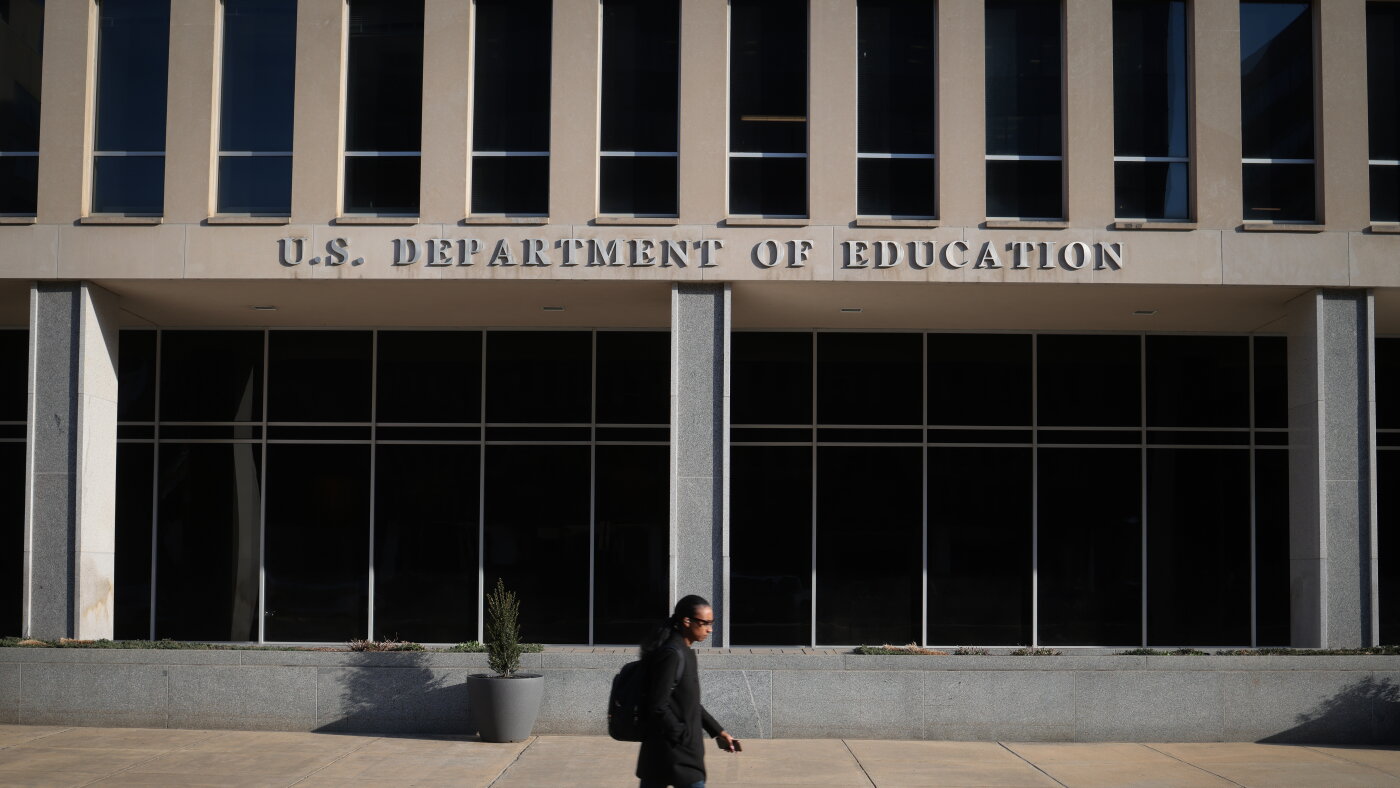
This week, the U.S. Education Department quietly released a significant amount of civil rights data from American schools, offering a detailed look into diverse student experiences. This comprehensive dataset, known as the Civil Rights Data Collection (CRDC), provides crucial insights into student treatment based on race, gender, disability, and more, spanning nearly every public school nationwide.
Originally slated for release at the end of last year, the CRDC was delayed without explanation from the Trump administration. A spokesperson for the Education Department confirmed the release of the 2023-24 data, available here.
The CRDC data is a vital resource for policymakers, educators, and families, providing a foundation for enforcing student civil rights. Despite the delay, the data remains a key tool for understanding disparities in school experiences. The Office for Civil Rights (OCR), responsible for overseeing this data, saw staff cuts and restructuring during the Trump administration, which included a proposed move to the Justice Department.
Data Accessibility and Public Usability
Historically, the CRDC data has been accompanied by a “First Look Report,” a simplified format making it accessible to the general public. However, this year’s release lacks such a report, with only raw data files available. Catherine Lhamon, who previously led OCR, emphasized the importance of making this data understandable for everyday users, stating, “It didn’t make it usable for somebody’s mom to be able to see what’s happening in a school community.”
New data points introduced this year include teacher retention rates and evaluations of preschoolers for various statuses. Researchers like Maithreyi Gopalan from the University of Oregon are currently analyzing these files to provide deeper insights.
Data Suppression and Its Implications
Notably, the 2023-24 CRDC release omitted data on nonbinary students, information that was initially intended to be included. This omission aligns with an executive order from President Trump, which restricts federal recognition to only two sexes. Lhamon criticized this decision, expressing concern over the lost opportunity to highlight challenges faced by nonbinary students.
Despite these changes, the Education Department confirmed that data collection for future cycles of the CRDC is underway. This ongoing effort underscores the department’s commitment to gathering comprehensive educational data, even amidst organizational shifts.
For more updates and educational insights, check out our weekly Education newsletter.