Global Diplomacy in Islamabad: A Surprising Turn for Pakistan
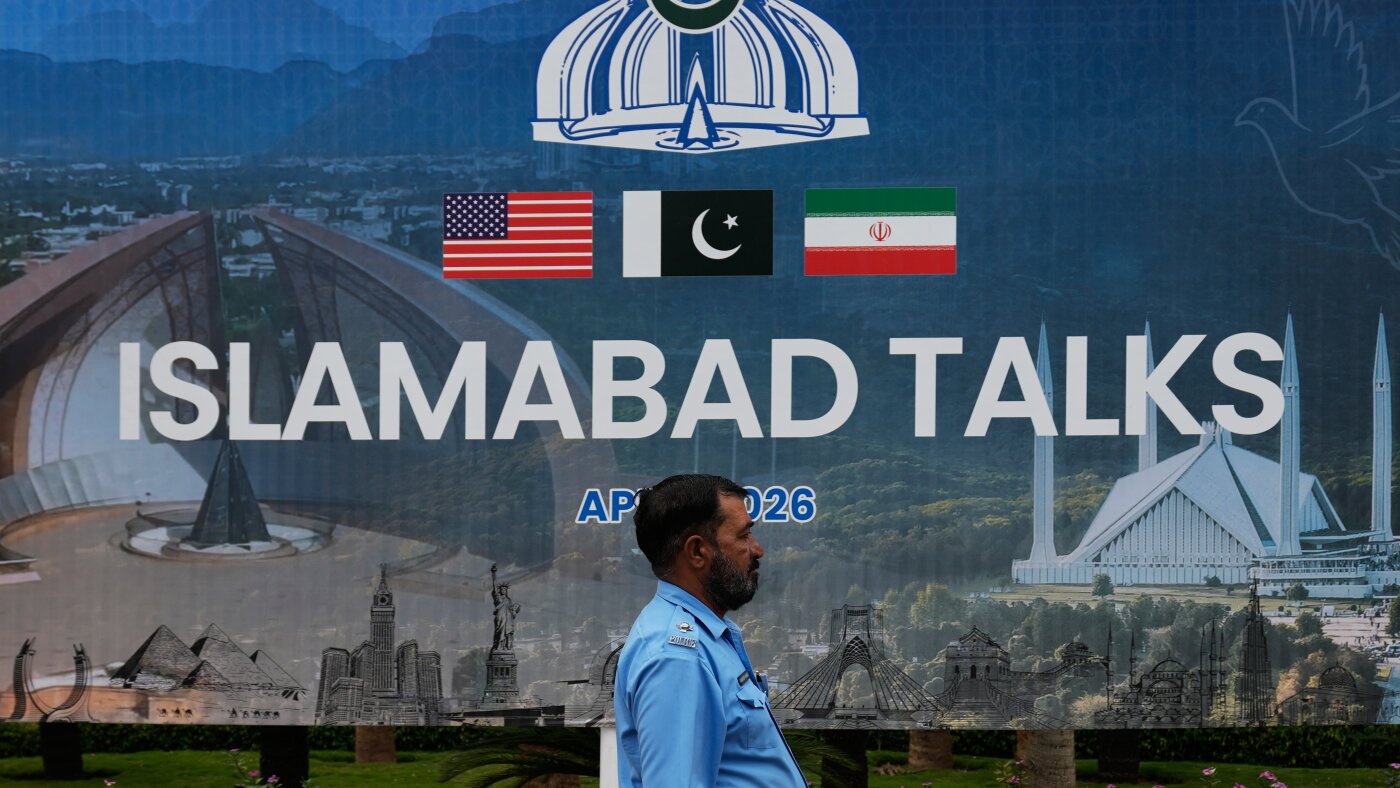
In an unexpected twist of international diplomacy, Islamabad, the capital of Pakistan, is now the focal point for critical peace negotiations between the United States and Iran. This marks a significant shift in Pakistan’s role on the global stage, a move that has garnered attention and curiosity from both locals and international observers.
Today, high-profile delegations from the US and Iran, including Vice President J.D. Vance, are convening in Islamabad. This comes after Pakistan’s proactive diplomatic maneuvers helped establish a two-week ceasefire between the two countries. The initiative highlights Pakistan’s newfound influence, surprising many within its borders. As 19-year-old Khizra Zaheer from Islamabad remarked, “I’m a bit surprised. When did Pakistan get so influential?”
Over the past few weeks, Pakistan has transitioned from a quiet intermediary to a key player in the US-Iran negotiations. It has involved leaders from Egypt, Turkey, Saudi Arabia, and China to bolster its peace efforts. The turning point came when both the US and Iran acknowledged a ceasefire, following a last-minute appeal by Pakistan’s Prime Minister, Shehbaz Sharif.
Photo Credit: Anjum Naveed/AP
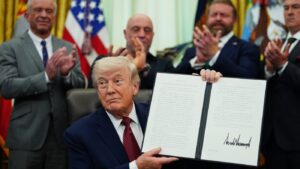
President Trump and Iran’s foreign ministry acknowledged Sharif and Pakistan’s army chief, Asim Munir, in their announcements of the ceasefire. Rasheed Wali Janjua from the Islamabad Policy Research Institute noted, “That was a very rare concurrence, because no other country enjoyed the same kind of trust from both parties.”
Pakistan now faces the challenge of transforming the fragile ceasefire into a lasting agreement. Success in these talks could significantly alter the world’s perception of Pakistan, as emphasized by Ishtiaq Ahmad, professor emeritus at Quaid-i-Azam University. However, back home, Pakistan continues to grapple with political and economic instability.

Photo Credit: Jacquelyn Martin/AP
The talks in Islamabad are not without their challenges. Issues such as the Strait of Hormuz and the situation in Lebanon, which was attacked by Israel despite the ceasefire, could hinder Pakistan’s role as a mediator. Lebanon’s Prime Minister Nawaf Salam has also sought Pakistan’s intervention to cease the attacks.
Daniel Markey, a senior fellow at the Stimson Center, pointed out that Pakistan’s leadership does not view Israel as a key player due to its unpopularity in the country. This diplomatic stance remains unchanged, as Islamabad does not officially recognize Israel. Past attempts to thaw relations have been met with public backlash, as detailed in a previous report.
The focus of the Islamabad talks is primarily on facilitating dialogue between the US and Iran. Key figures like Iran’s parliamentary speaker Mohammad Bagher Ghalibaf and foreign minister Abbas Araghchi have arrived for discussions, with Pakistan’s Prime Minister and foreign minister acting as facilitators.
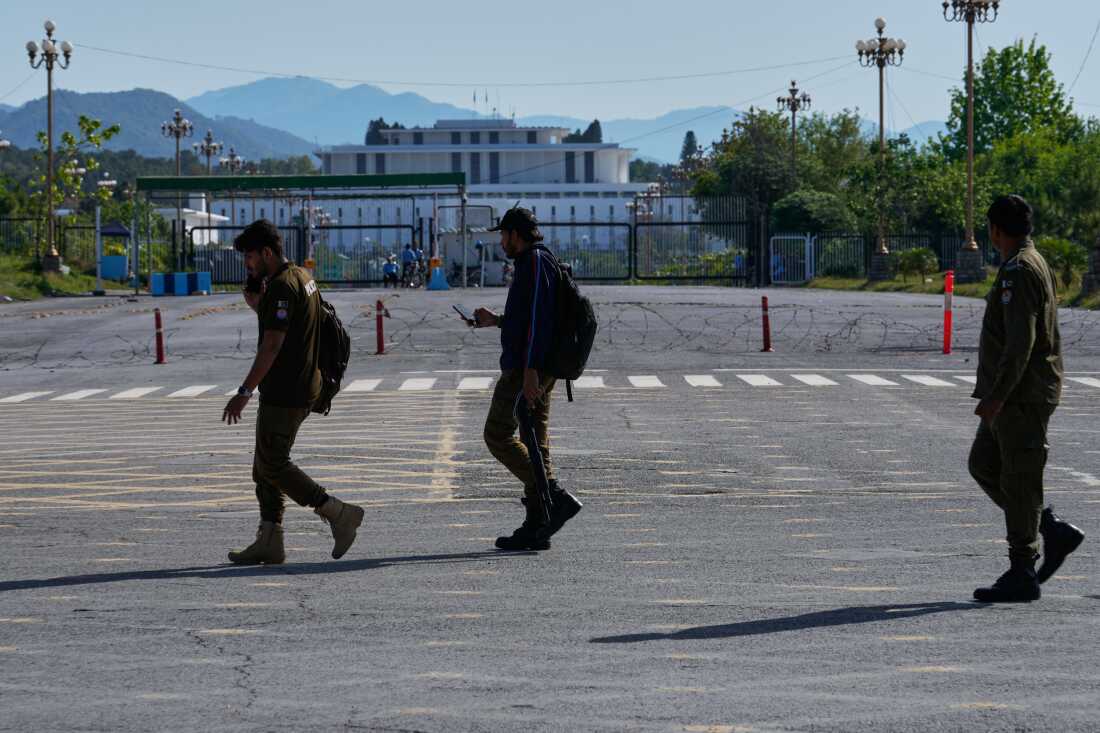
Photo Credit: Anjum Naveed/AP
The specifics of these diplomatic efforts have been shrouded in secrecy, with details of the ceasefire and the meeting plans being closely guarded. Residents of Islamabad have observed signs of the preparations, such as the unexpected vacating of a five-star hotel for an “important event” and the declaration of public holidays.
Islamabad, with its strategic design and layout, is well-suited for such high-stakes diplomacy. As the city prepares for the talks, residents like Muhammad Waseem see the disruptions as a small sacrifice for the larger goal of peace. “Peace talks are going on, so for this we should compromise,” he expressed.