
Relief Efforts Intensify as Mexico Grapples with Aftermath of Devastating Storms
In the wake of cataclysmic storms, communities across Mexico are striving to recover amid widespread destruction. The states of Hidalgo, Veracruz, Querétaro, Puebla, and San Luis Potosí are among the hardest hit, with torrential rainfall causing severe flooding.
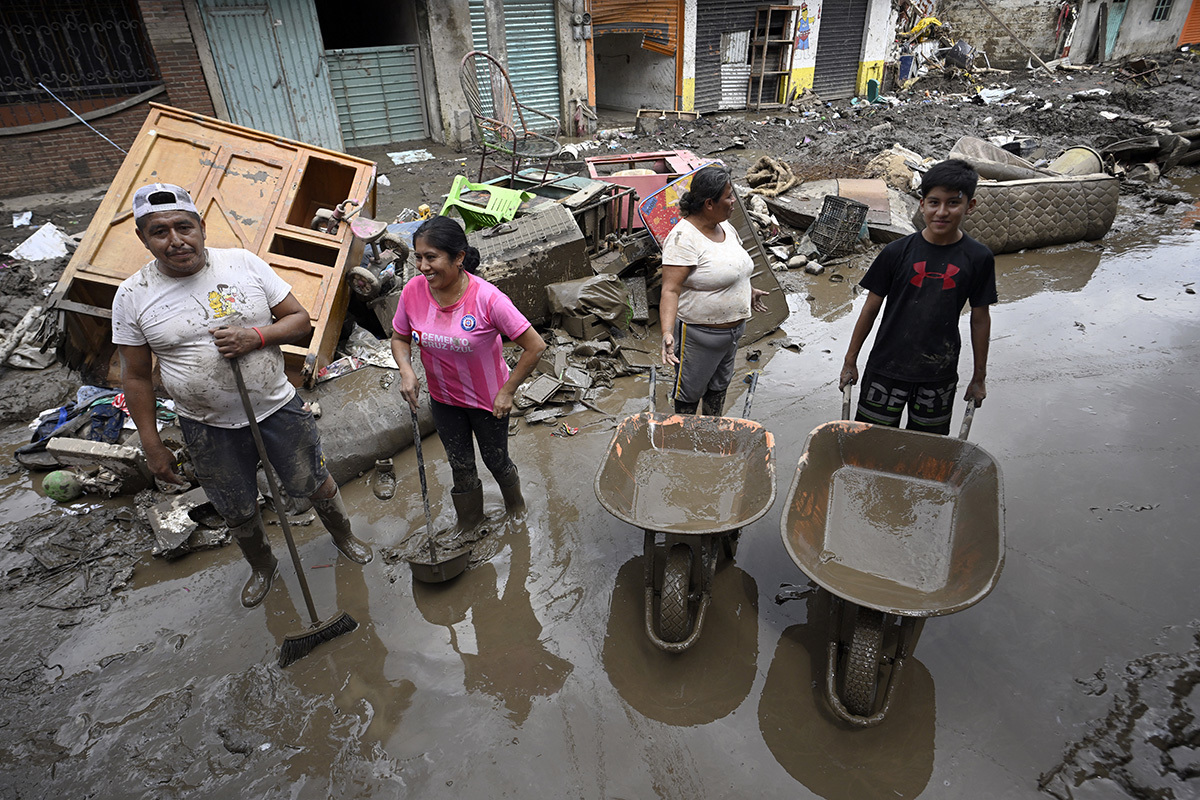
Devastation from tropical storms Raymond and Priscilla has led to road closures, school suspensions, and tragic loss of life. The relentless floods have left homes inundated with mud and water, obliterating the property and heritage of many families.
Julia, a resident of Tianguistengo, Hidalgo, shared the harrowing experience: “We were left with nothing. The water came in very quickly; we didn’t know what to do to stop it and we were very scared.”
In response, Christian organizations have swiftly mobilized, transforming places of worship into collection centers for essential supplies such as non-perishable food, clothing, and bottled water. Local pastors have rallied their congregations to participate in relief efforts.
Pastor Oscar Moedano from the Breath of Life congregation noted, “There have been several landslides. What we know is that the water took away the bridges. … The situation is complicated; we had not seen a tragedy of this magnitude in Hidalgo.” Further insights were shared with Diario Cristiano, emphasizing the need for continued aid.
In Veracruz’s Poza Rica, the scene is dire. Rising waters forced residents to seek refuge on rooftops, while vehicles were swept away by the Cazones River’s unprecedented overflow, which locals estimate reached seven meters high.
A Poza Rica resident lamented, “We tried to rescue as much as we could, but the water flooded our temple and our houses. It is very sad what we are experiencing.”
The Victims
According to the National Coordination of Civil Protection, the floods have resulted in at least 64 fatalities, with 65 individuals still missing. The disaster has affected approximately 100,000 homes and left over 40,000 people without electricity.
In Pachuca, public demonstrations have erupted, with citizens urging governmental action to prioritize victim support. Demonstrators in Plaza Juárez expressed concern over the lack of food, water, and electricity in isolated communities.
Jennifer Reyes, among the protesters, voiced the community’s plea: “We want the government or the military to help us with helicopters. Since our relatives are completely isolated, they have no food, and there is no help for them.”
Some residents have resorted to hiring helicopters independently to deliver aid to their cut-off families.
Emergency Actions
In the aftermath, affected families have begun cleanup and debris removal efforts in various locales. President Claudia Sheinbaum has coordinated a government-wide mobilization to provide medical care, search for missing persons, and distribute essential supplies.
Three days post-disaster, the Mexican government enacted the DN-III-E emergency plan, deploying military personnel and equipment to aid relief operations. Despite these efforts, some communities have expressed dissatisfaction with the perceived delay in governmental response.
This article was originally written by www.christianpost.com




