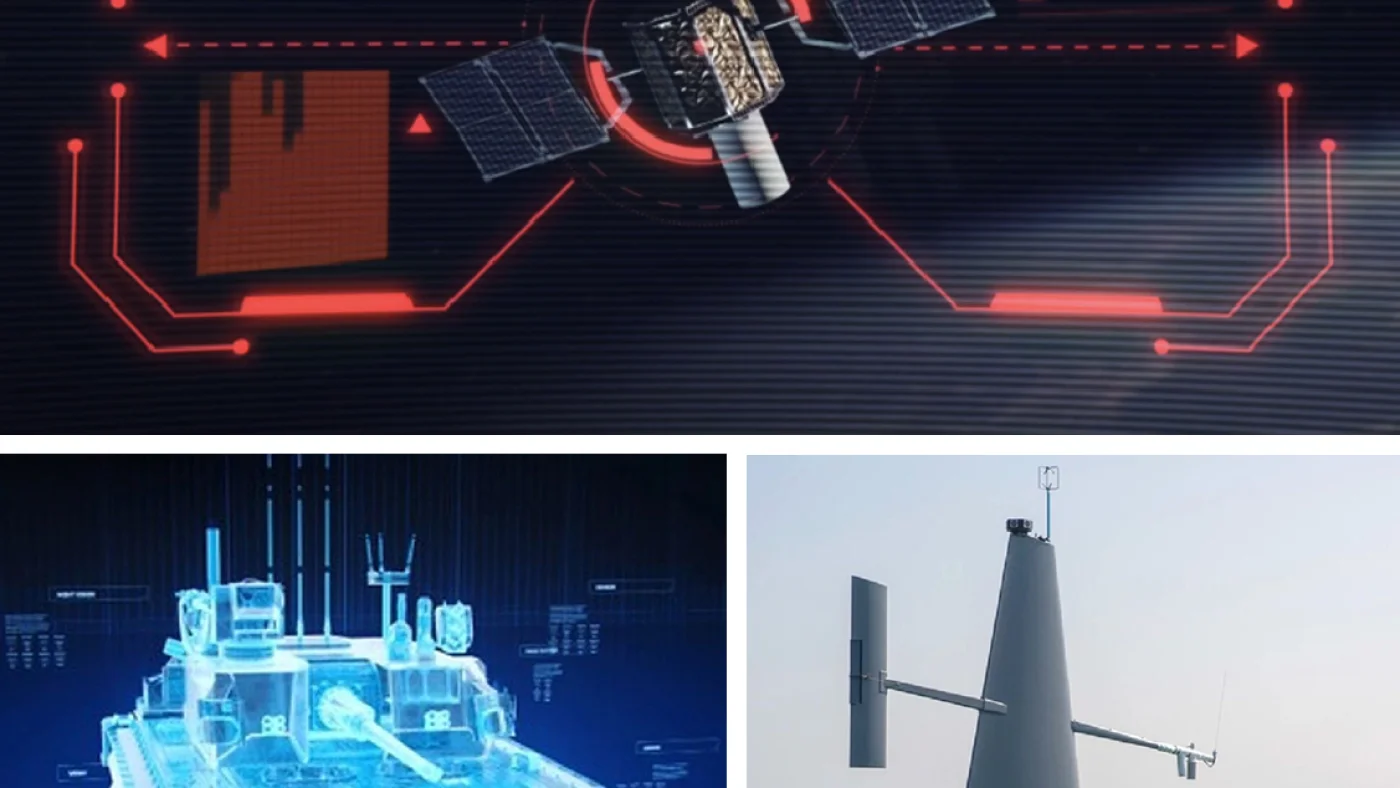
The Pentagon’s AI Ambitions: Balancing Innovation with Guidelines
The integration of artificial intelligence into military weaponry is advancing rapidly. The Pentagon’s initiatives, however, are prompting scrutiny regarding adherence to established guidelines. A recent report by the U.S. Government Accountability Office (GAO) sheds light on these efforts and the challenges they face.
International organizations and AI researchers have emphasized the need for strict controls over AI in military applications, given the potential for unpredictability and reduced human oversight. Despite these concerns, Defense Secretary Pete Hegseth has encouraged swift adoption of AI technologies, underscoring a vision for the Pentagon to become an “AI-first” warfighting force, as stated in a memo released earlier this year.
In September, Hegseth unveiled a new command focused on developing autonomous weapons, which includes drones. The GAO report, released on October 14, provides a rare glimpse into the Pentagon’s current AI projects, revealing insights from 10 officials involved in developing AI-driven tools designed to identify battlefield targets, process surveillance data, and enhance decision-making.
Out of more than 300 AI projects under development, the GAO report highlights that six out of 10 officials identified risks in deploying these technologies in operational settings. To mitigate such risks, the Pentagon outlined six guiding principles in 2021, focusing on oversight, verification, and international collaboration.
Alissa Czyz, who led the GAO review, noted that while these principles aren’t mandatory, they are seen as important guidelines. “It’s a memo, right, at the end of the day, so it’s not a department instruction,” she explained. “It’s something that the department has signaled that should be implemented.”
Despite efforts to adhere to these guidelines, four officials admitted that their projects did not align with the Responsible AI tenets, and three were uncertain about continuous monitoring post-deployment. The Pentagon’s Responsible AI Division, tasked with guiding these efforts, is currently understaffed, having filled only three of the 10 authorized positions as of February.
The GAO made two recommendations to address these challenges: establish clearer oversight responsibilities and tackle the staffing shortfall. Although the Pentagon agreed with these recommendations, they remain unimplemented as of October 22. NPR reached out to the Pentagon for updates, but no response was received.
Hegseth, speaking at SpaceX in January, emphasized the urgency of AI development, stating, “Our enterprise currently operates on staffing and committee cycles measured in months and years, and that’s unacceptable.” He further remarked, “Military AI is going to be a race for the foreseeable future where the risks to U.S. national security of moving too slowly outweigh the impacts of imperfect alignment.”
NPR invites insights from those working with federal agencies or AI companies. Contact the reporter, Chiara Eisner, at ceisner@npr.org or via Signal here, username ceis.78.