Legal Battles Highlight the Role of REITs in Nursing Homes
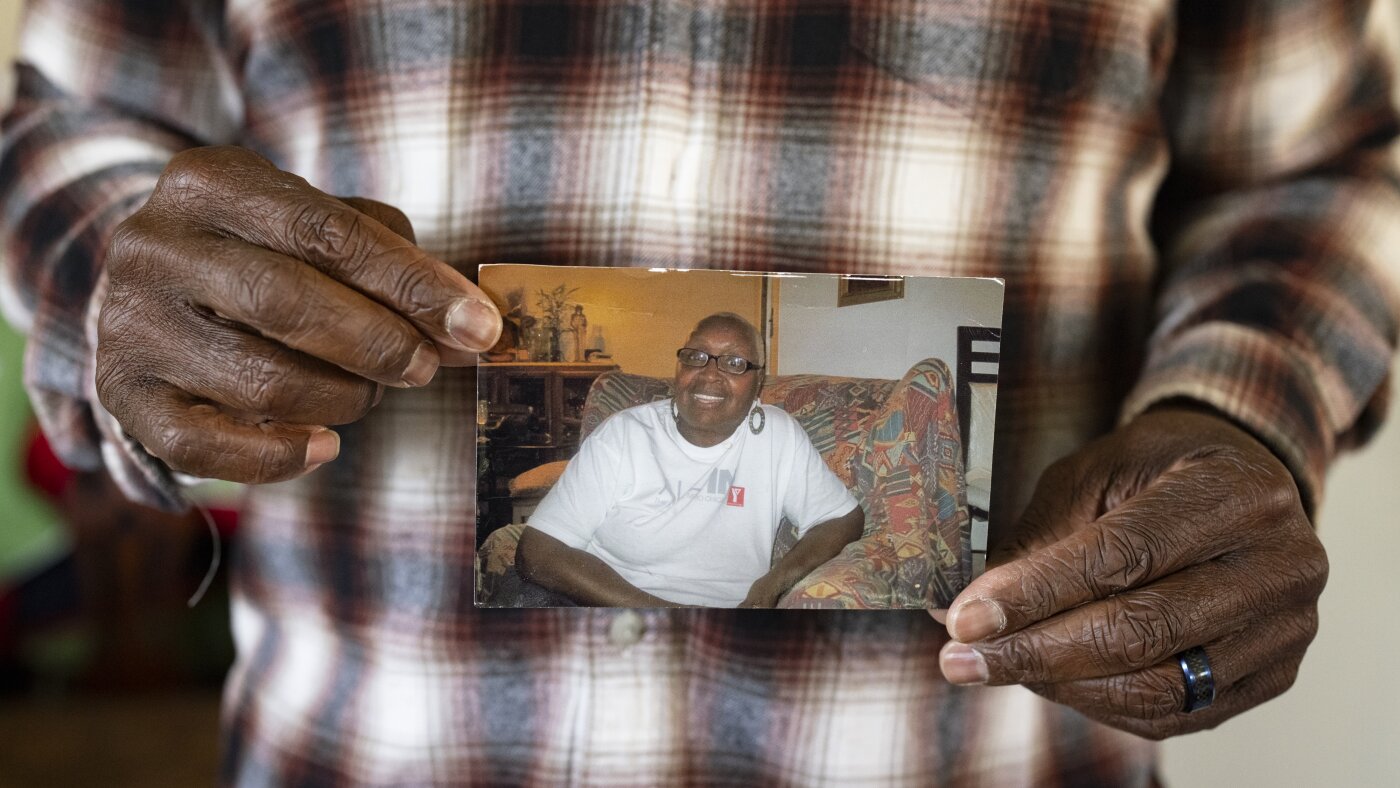
Shirley Adams’ struggle with infected bedsores at a rehabilitation center ended in tragedy, with her family awarded $17 million in a lawsuit. However, collecting this amount remains a challenge, shedding light on the financial and operational complexities surrounding nursing homes and their landlords.
A Hidden Network of Influence
Real estate investment trusts (REITs) have quietly amassed control over numerous facilities like nursing homes and hospitals. Pearlene Darby’s case is a poignant example, where a lawsuit tied her tragic death to the management practices of City Creek Post-Acute and Assisted Living, leased by CareTrust REIT. Despite federal tax laws preventing REITs from directly managing these facilities, internal documents suggest substantial influence over operational decisions.
Questionable Practices and Legal Defenses
CareTrust, while denying liability, emphasized their role as property owners rather than operators. “We are the property owners, not the operators,” said CareTrust Corporate Counsel Joseph Layne. Yet, court records indicate a close monitoring of the nursing home’s financial and safety metrics.
Widespread Ownership and Influence
Over the last decade, REITs have expanded their reach, acquiring a significant share of senior housing and medical facilities. Despite their ubiquity, they remain largely unregulated by health authorities. The Centers for Medicare & Medicaid Services (CMS) do not mandate the disclosure of REIT involvement in facilities, focusing instead on care quality.
Financial Gains Amid Operational Struggles
These property owners, benefiting from tax breaks, have seen substantial profits. CareTrust, for instance, reported a 67% profit margin on its investments. Yet, the operational side often tells a different story, with facilities sometimes struggling with staffing and care quality. This discrepancy raises questions about the allocation of resources within the industry.
The Legal and Ethical Implications
In the case of Mildred Hernandez, who tragically died of hypothermia after wandering from her facility, a jury awarded $110 million, underscoring the severe consequences of inadequate care. The legal battles continue, drawing attention to the need for greater transparency and accountability in the relationship between REITs and their healthcare facility tenants.
This article was originally written by www.npr.org