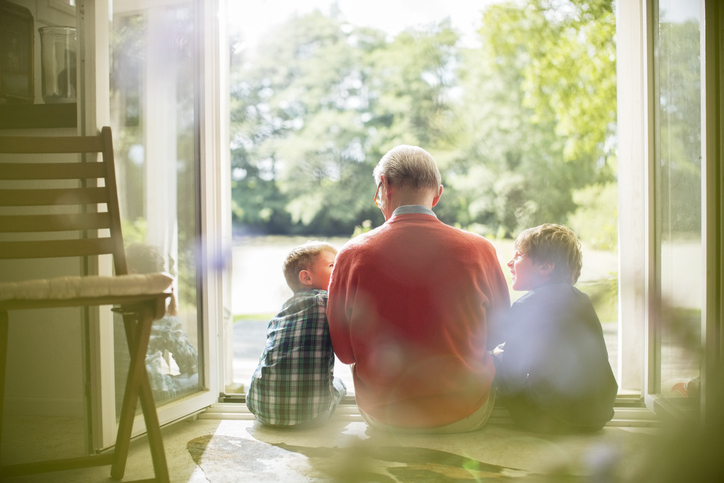
In today’s rapidly evolving family dynamics, grandparents find themselves in diverse roles, from essential caregivers to individuals yearning for familial connection. This dual reality reflects the broader societal transformations affecting modern family life.
As housing prices soar and childcare costs rise, many parents are leaning heavily on grandparents for support. Simultaneously, trends in family planning—such as having fewer children or delaying parenthood—are reshaping the traditional concept of grandparenthood.
These shifts create a spectrum of grandparental experiences. For some, the responsibilities are overwhelming; for others, the opportunity to be involved is elusive.
A survey conducted by SunLife in 2023, which included over 2,000 grandparents, revealed that 52% provide free childcare, averaging 22 hours weekly. More than half are involved in school runs, and many step in when grandchildren fall ill.
While this involvement is treasured by many, it can also be taxing. Public perception often views grandparents as perpetually available, retired individuals. However, many are still working, managing personal health challenges, or caring for other family members.
Conversely, there is a growing demographic of older adults who wish to engage with grandchildren but find no path to do so. As family sizes shrink and become more dispersed, opportunities for traditional grandparent roles diminish.
The decline in fertility rates in England and Wales, which dropped by over a quarter between 2010 and 2024, underscores this shift. The Office for National Statistics projects an increase in childless women aged 80 from 23,000 in 2019 to 66,000 by 2045.
This is more than a demographic trend; it signifies a profound societal change. Children benefit from more than just childcare; they need stories, patience, and adult engagement. Similarly, older adults require purpose and interaction beyond physical care.
Christian teachings often emphasize family as a sacred yet broad concept, urging care for both the young and the elderly, related or not. This perspective suggests a broader interpretation of family roles, encouraging community involvement beyond blood relations.
Personal experiences often highlight this. For example, while on a family vacation, one might become an informal “volunteer grandma,” offering attention and support to children in a communal setting, showcasing the potential of intergenerational interactions.
Communities are rich with older adults possessing wisdom, humor, and patience, eager to contribute. Likewise, children benefit from interactions with trustworthy adults who can provide guidance and companionship.
Churches and faith groups may hold part of the solution by naturally facilitating connections between generations. These institutions can offer support to struggling parents and create opportunities for older individuals to engage meaningfully.
While volunteer roles cannot replace formal childcare systems, and government policies cannot solely foster belonging, fostering relationships between generations is crucial. Society must expand the concept of family to include various community members, easing the burden on overextended grandparents.
Kim Samuel, founder of the Belonging Forum, suggests that by broadening our understanding of grandparenthood, we can better integrate older adults into the lives of children, enhancing community bonds and familial support systems.
This article was originally written by www.christiantoday.com