Costly Efforts to Downsize: Education Department’s Controversial Layoffs
The Trump administration’s attempt to reduce staff within the U.S. Department of Education’s Office for Civil Rights (OCR) has sparked significant fiscal concerns. A report from the U.S. Government Accountability Office (GAO) reveals that this move could burden taxpayers with tens of millions in costs.
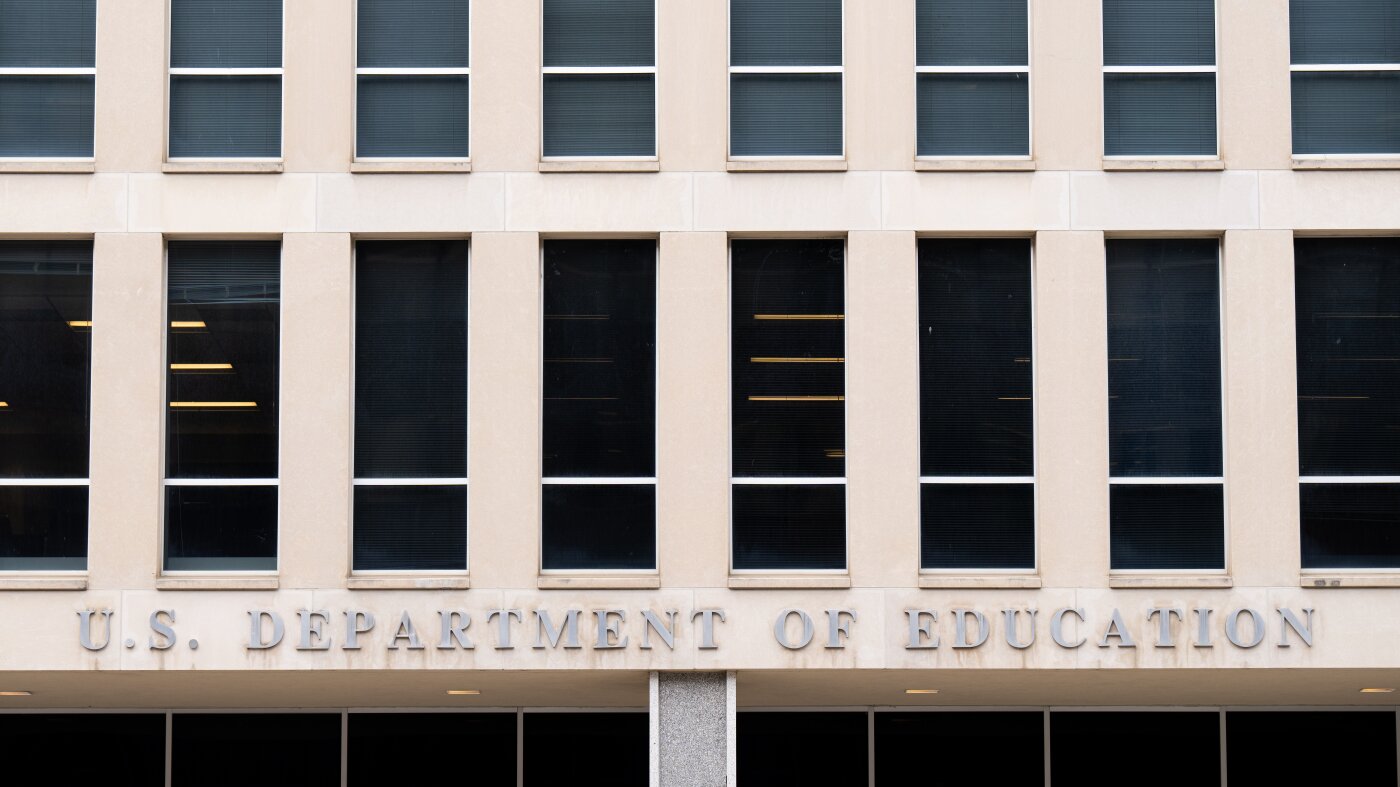
The Lyndon Baines Johnson Building, which houses the U.S. Department of Education, in Washington, D.C. Bill Clark/Getty Images
In March, the administration sought to dismiss more than half of OCR’s civil rights attorneys and staff, an action Education Secretary Linda McMahon justified as promoting “efficiency” and “accountability.” However, the courts blocked this reduction-in-force (RIF), leading to a costly stalemate where the employees remained on administrative leave while still receiving their salaries.
As a result, 247 OCR staff members were paid without working for nearly nine months, costing taxpayers between $28.5 million and $38 million, according to GAO. Jackie Nowicki, the lead investigator of K-12 issues at GAO, stated, “there were 247 people on administrative leave from OCR who were being paid while not being allowed to work, and that decision came with a cost.”
Calculating the Financial Impact
GAO’s analysis suggests the Education Department did not provide a comprehensive account of the RIF’s financial consequences. Kimberly Richey, appointed by President Trump to oversee OCR, rejected the need for further analysis in a response to GAO, arguing that the reinstatement of the OCR staff rendered the matter “moot.”
The GAO report indicates that the department should have documented the full financial picture as directed by the Office of Management and Budget (OMB) and the Office of Personnel Management. Instead, it appears results were conveyed to OMB verbally, without supporting documentation.
The department is required to report to Congress on its stance regarding GAO’s recommendation within 180 days, leaving the next steps to lawmakers.
Decline in Resolution Agreements
GAO’s findings also highlight a significant shift in how OCR handled discrimination complaints. From March to September, the department resolved over 7,000 complaints, with 90% dismissed without investigation. While dismissals are a standard practice, the frequency raised concerns. In comparison, during the 2019-20 school year, 81% of cases were dismissed, whereas, under the Obama administration, the rate was 49%.
Public records show a marked decline in OCR’s resolution agreements under Trump’s second term. In 2025, the office reached agreements in only two racial harassment cases compared to more than 30 in 2017. Disability discrimination agreements dropped significantly, and no agreements were reached for sexual harassment or assault cases after Trump’s second inauguration.
Beth Gellman-Beer, a former OCR official, expressed confusion over the decline in sexual harassment and assault resolutions, stating that such cases were prioritized in Trump’s first term.
NPR requested comments from the Education Department on these findings but received no response. GAO’s report suggests that if the original RIF plan proceeds, OCR’s staff would be reduced to just 10% of its size at the start of the Trump administration, leaving only 62 staff members.