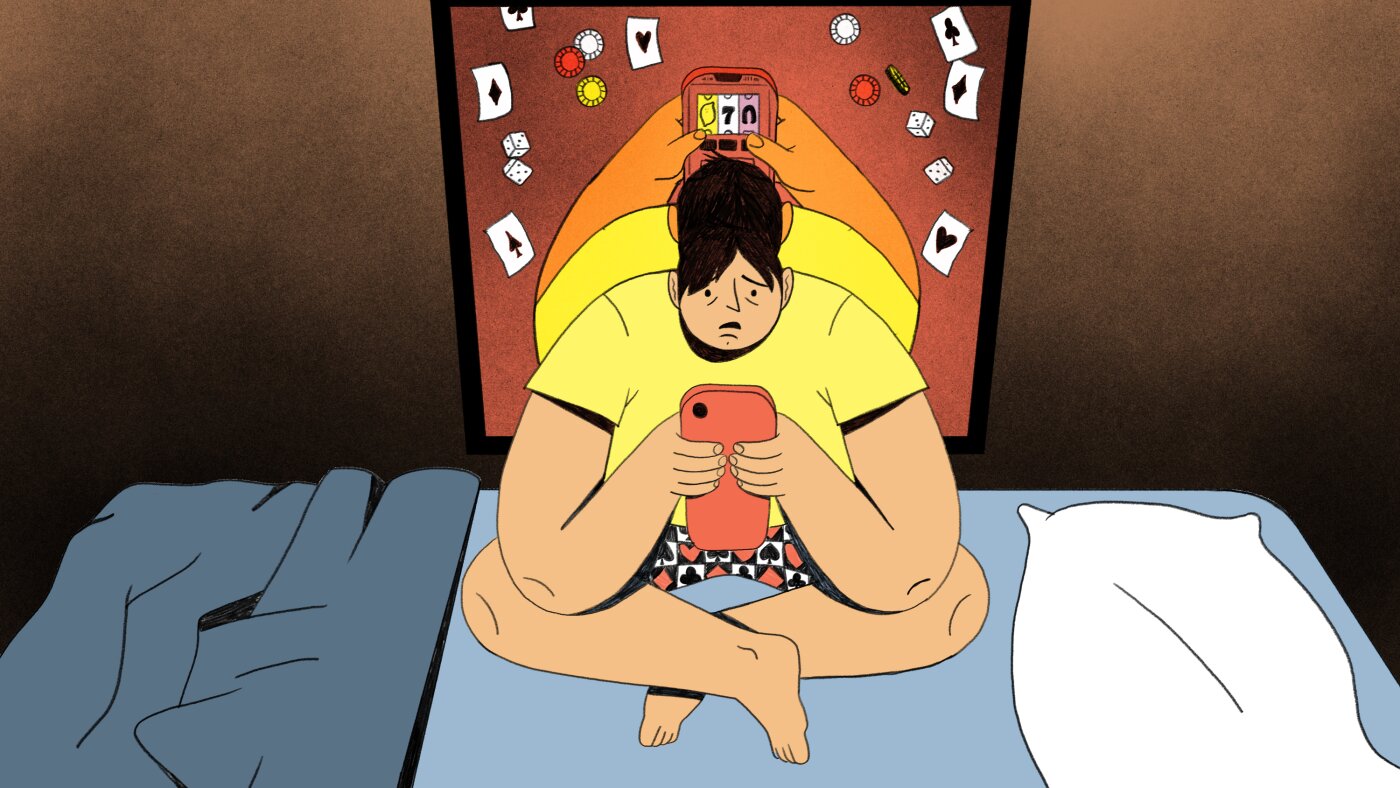
Teen Gambling: A Growing Concern for Parents and Educators
In a world increasingly driven by digital interactions, the challenges of parenting continue to evolve. While many parents are prepared to talk to their children about traditional dangers like drugs and alcohol, gambling often slips under the radar. Kim Freudenberg, a San Francisco teacher, never imagined her sons would need a warning about gambling. Yet, it became a significant issue for her family.
When Freudenberg’s oldest son was just 11 years old, an innocent click while watching a video game livestream led him to an offshore online casino. There, he was introduced to games like blackjack and poker, using in-game items as currency. Freudenberg recalls, “Never once did I even think that I needed to say ‘gambling.'” Despite his active lifestyle and academic success, her son spiraled into addiction, ultimately dropping out of college at 19.
Freudenberg’s experience isn’t unique. A survey by Common Sense Media revealed that 36% of boys aged 11 to 17 in the U.S. have participated in gambling activities within the past year. Michael Robb, head of research at the nonprofit, notes, “A third of kids is a lot of kids.” While some activities like fantasy sports can be harmless, for a minority, gambling can become problematic.
The rise of gambling among teens coincides with a broader national trend. Since a 2018 Supreme Court ruling permitted states to legalize sports betting, the number of states allowing such activities surged from one to 38 by 2024. Americans’ annual expenditure on sports betting skyrocketed from $4.9 billion to $121 billion by 2023, as reported by The Journal of the American Medical Association (JAMA).
Despite legal restrictions preventing those under 18 from gambling, the accessibility of online platforms makes it difficult to enforce. According to Matt Missar, an addiction counselor in Pittsburgh, gambling opportunities are now ubiquitous. “Nowadays, I can bet on every single pitch of a game,” he explains, emphasizing the ease of access via cellphones.
Missar has observed an increase in young adults seeking help for gambling and video game addictions in recent years. He stresses that these problems often begin in adolescence, becoming more severe as they age. Freudenberg regrets not recognizing the signs earlier, noting how online gambling can easily be mistaken for innocuous activities like texting or video watching.
Freudenberg reflects on the removal of traditional barriers to gambling, suggesting that easier access contributes to addiction. “If my kid had to get in a car, drive to a bank, take out money, drive to a casino, go into the casino, show an ID at the door — he probably wouldn’t be a gambling addict,” she laments.
Fortunately, after multiple rehab attempts, Freudenberg’s son has returned to college and is doing well. Inspired by her experience, she founded a support group for parents of teen gamblers, which is gaining momentum. Yet, she worries about the future, warning, “The tsunami is on the horizon, and it’s gonna be really, really bad.”