North Carolina Primaries Set Stage for High-Stakes Senate Race
As the dust settles from the primaries, North Carolina emerges as a focal point in the 2026 midterm elections. The race for one of the most hotly contested U.S. Senate seats is now set, with Democrat Roy Cooper and Republican Michael Whatley securing their respective party nominations. This development was confirmed by AP race calls on Tuesday, marking a pivotal moment in the political landscape.
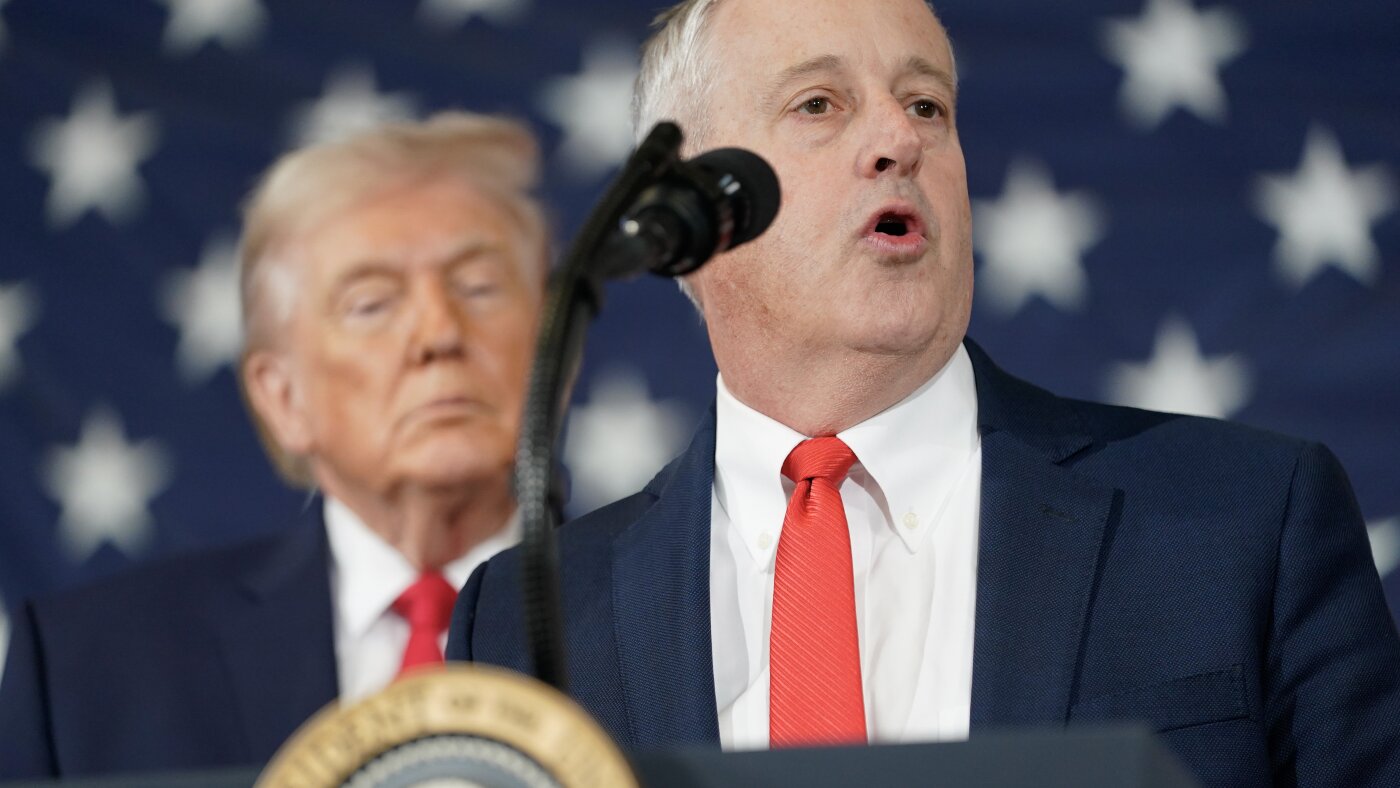
Roy Cooper, the former governor of North Carolina, is poised to challenge the outgoing Republican Senator Thom Tillis’s seat. Cooper aims to convert this seat to the Democratic side, facing off against Michael Whatley, a former Republican National Committee chairman who enjoys the endorsement of former President Trump.
The outcome of this race is crucial for Democrats, who view North Carolina as essential in their quest to reclaim the Senate majority. Meanwhile, the state’s Republican-controlled Legislature has been working to redraw congressional districts to maintain their hold over the House.
Competitive Congressional Districts
North Carolina’s political dynamics are further complicated by its congressional districts. The state currently has Republicans in control of 10 out of 14 districts, with only one considered competitive under normal circumstances. Despite this, North Carolina remains a battleground where voters have previously split their tickets, supporting both Trump and Democratic Governor Josh Stein in recent elections.
Historically, the ruling party tends to lose seats during midterms, and with Trump’s low approval ratings, the outcome of upcoming primaries could significantly influence the control of Congress post-election.
North Carolina’s 4th District
In the state’s 4th District, a primary battle is unfolding between incumbent Rep. Valerie Foushee and Durham County Commissioner Nida Allam. Both progressive candidates are vying to represent the most Democratic-leaning district in North Carolina. This contest is significant as it reflects the national Democratic Party’s search for identity following the 2024 presidential election.
Foushee faces challenges from younger, well-funded contenders who argue for a new generation of leadership in Congress. The race has attracted considerable outside spending, with key debates focusing on corporate PAC contributions, immigration, and the Gaza conflict. More details can be found on WUNC’s report.
North Carolina’s 11th District
In the western 11th District, Democrats found themselves in a unique position with multiple candidates to choose from. Farmer Jamie Ager outpaced the competition, including incumbent Republican Rep. Chuck Edwards, in fundraising. Ager’s campaign has been recognized by the Democratic Congressional Campaign Committee as part of their “Red to Blue” initiative, targeting traditionally Republican strongholds.
The primary saw tensions as Ager’s early endorsement by national Democrats angered some constituents. Meanwhile, incumbent Edwards faced a primary challenge over his response to Hurricane Helene. For more information, visit Blue Ridge Public Radio’s coverage.
North Carolina’s 1st District
The redistricting efforts in North Carolina aim to tilt the 1st Congressional District towards Republican favor, challenging Democratic Rep. Don Davis’s re-election prospects. The district’s new configuration presents a steeper climb for Davis, although the midterm environment may still favor him.
Laurie Buckhout, the 2024 Republican nominee with experience in the Trump administration, emerged victorious in the Republican primary. According to North Carolina election law, if no candidate secures 30% of the vote, a runoff is held, but Buckhout clinched the nomination outright. Detailed coverage is available through WUNC’s report.