Deportees Face Uncertain Fate Under El Salvador’s State of Exception
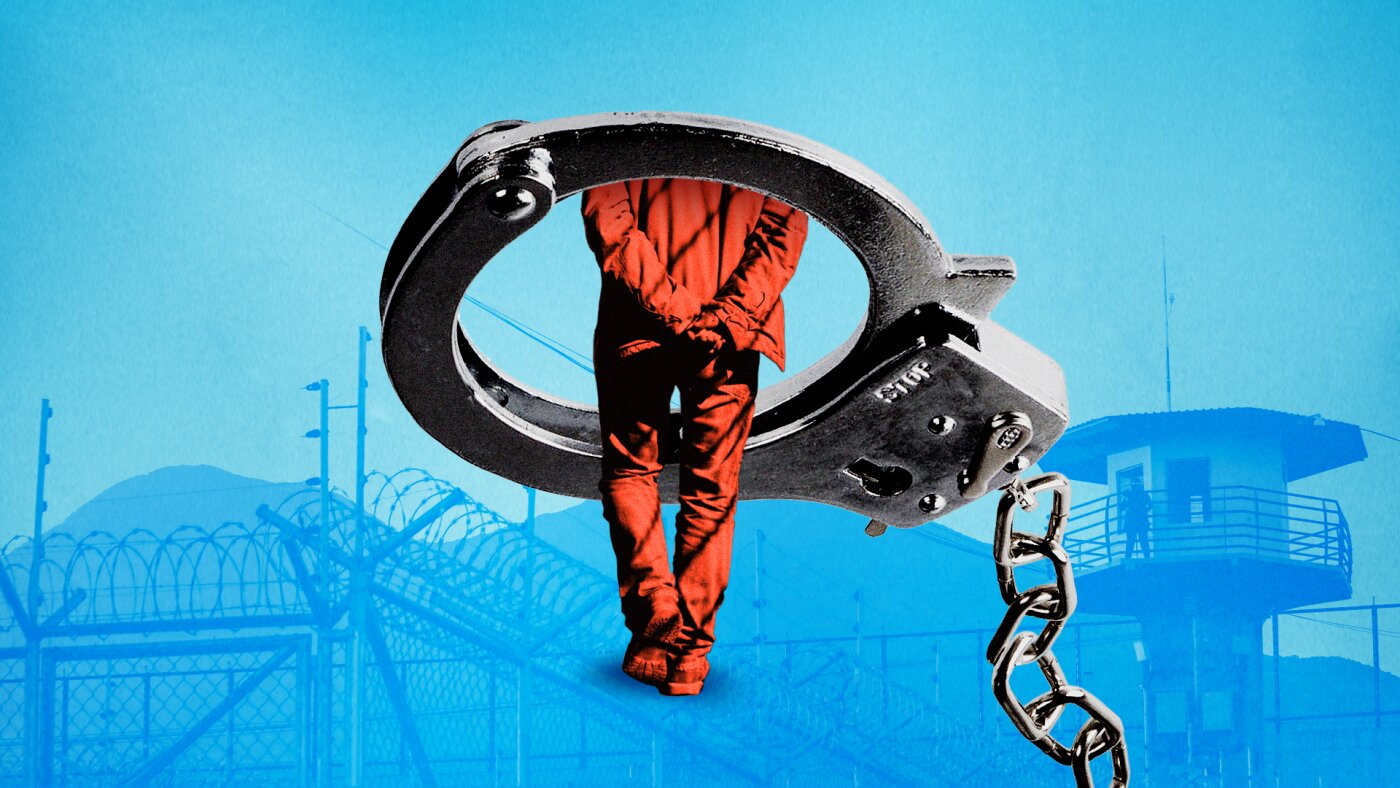
For four years, Salvadoran President Nayib Bukele has enforced a 30-day rights suspension, creating a de facto police state. This has significant implications for Salvadoran deportees from the U.S., who often find themselves trapped in the country’s notorious prisons.
“It was traumatizing, I was so scared,” T, a transgender woman deported to El Salvador, confided to NPR in Spanish. T, who fled her home country five years ago due to harassment, experienced further trauma upon her return. Salvadoran authorities at the airport interrogated her about potential gang affiliations, threatening her with imprisonment in the infamous CECOT prison. Despite no criminal record, T was warned that local officers could question her at any time.
Since January 2025, over 9,000 Salvadorans have been deported from the U.S., according to a Human Rights Watch report. Many disappear into El Salvador’s prison system soon after arrival, with families and lawyers often losing contact for extended periods.
State of Exception Continues
President Bukele’s 2022 emergency order, intended to combat gang violence, has been repeatedly renewed, maintaining El Salvador’s police state status. This has drastically reduced the murder rate but resulted in the world’s highest incarceration rate.
According to El País, nearly 92,000 people have been arrested under these measures, with 64% identified as gang members by Salvadoran intelligence.
Jennifer Kesselberg Dubon’s husband was deported in 2023 and accused of gang affiliation despite no criminal record. “In all honesty, he may be dead,” she said, having had no contact since his imprisonment.
Human rights organizations criticize the prolonged state of exception for widespread rights violations, including the deaths of at least 517 prisoners, as reported by Socorro Jurídico Humanitario.
Challenges for Non-Imprisoned Deportees
Deportees who avoid immediate imprisonment face significant challenges, including economic hardships and societal distrust. “It’s hard to get work,” notes Sarah Bishop, a Baruch College professor studying deportees’ experiences. Many fear leaving their homes due to potential police violence.
Bishop follows 25 deportees, with 19 incarcerated upon or after arrival in El Salvador. She underscores the U.S. and Salvadoran governments’ information sharing, which can lead to arrests based on past records or suspicions.
Families Lose Contact with Detained Relatives
Incarceration often leads to lost contact with the outside world. Grace, whose brother was detained in 2025, hasn’t heard from him since his processing into prison. He was acquitted of past charges, yet now faces gang collaboration accusations.
Attorney Jonathan Levy highlights the U.S. government’s responsibility to assess detainees’ risks upon deportation. He notes cases where deportees only leave prison deceased, emphasizing the need for legal appeals to create favorable precedents.
Only a restoration of due process in El Salvador, advocates say, can offer hope for deportees and their families to reconnect and ensure their safety.
This article was originally written by www.npr.org