
San Francisco’s Crime Drop: A Surveillance Success Story, or a Privacy Concern?
San Francisco has witnessed a dramatic decrease in vehicle-related crimes over the past four years, a phenomenon attributed in part to advanced surveillance technology. While car thefts in the city have plummeted by nearly 59%, instances of car break-ins have also seen a sharp decline of over 82%, according to San Francisco Police Department (SFPD) crime data from January to August 2026 compared to the same period in 2022.
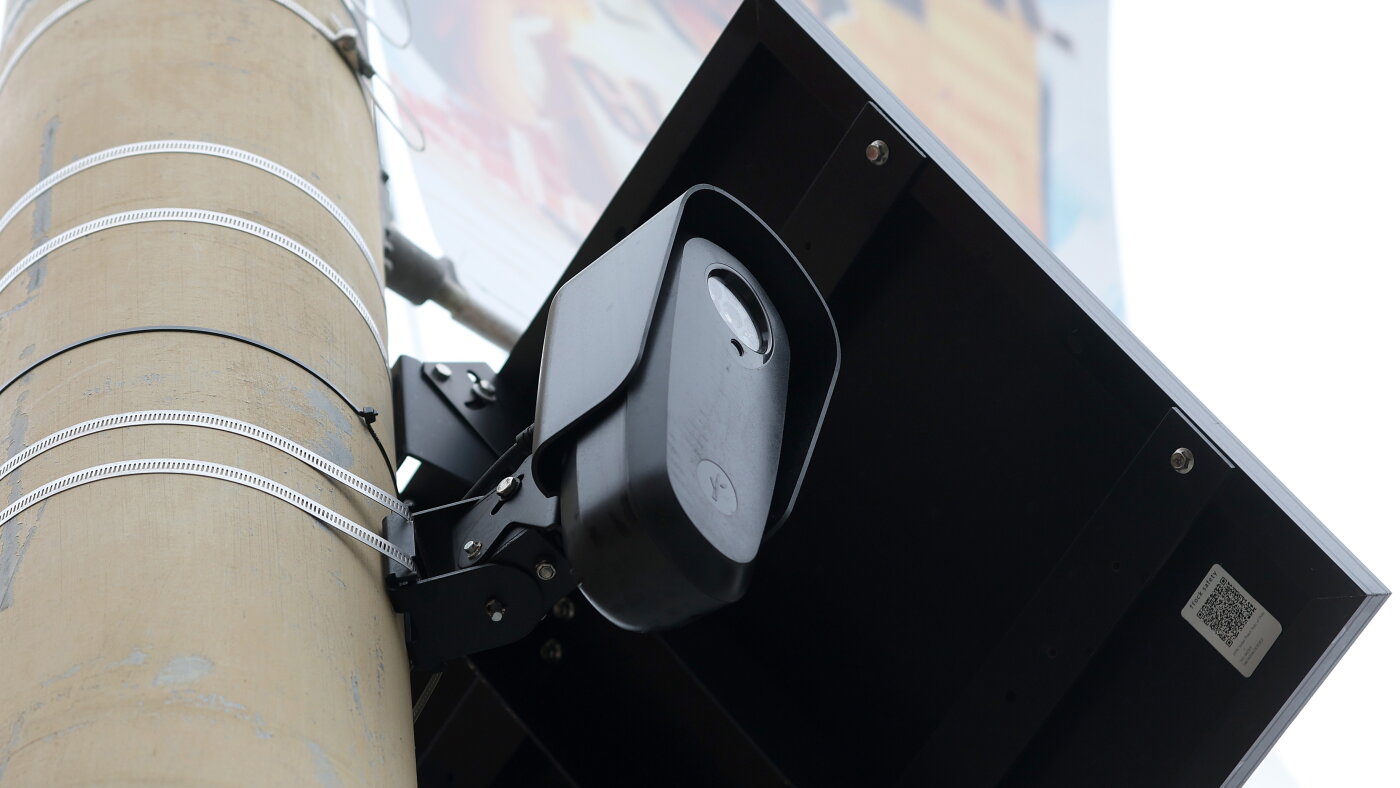
At the heart of this turnaround is the deployment of a controversial AI-powered license plate camera system developed by Flock Safety. This system, hailed by law enforcement for its efficacy, has sparked a debate about its role in reducing crime and the potential for infringing on citizens’ constitutional rights.
Tech-Driven Law Enforcement
San Francisco’s commitment to using Flock’s system contrasts sharply with other cities that have cut ties with the company. Despite controversies surrounding its use, San Francisco’s leaders aim to regulate the system’s usage more tightly, potentially setting a precedent for other municipalities.
District Attorney Brooke Jenkins and Mayor Daniel Lurie have been pivotal in this shift. Jenkins, appointed after the recall of her predecessor Chesa Boudin, recalls the city’s previous reputation as a “public safety disaster.” Under her leadership, the city has adopted a more aggressive stance on crime, complemented by increased police patrols and innovative tactics like “bait cars.”
The introduction of Flock’s Automated License Plate Readers (ALPRs) has been a game-changer. These devices capture images of passing vehicles, which are then analyzed by AI to identify details such as license plates, vehicle make, and even bumper stickers. This creates a searchable database that aids law enforcement in tracking vehicle movements and identifying suspects.
Surveillance Efficacy and Concerns
Flock’s contribution to the decline in crime rates has not gone unnoticed. University of South Carolina researchers Ian Adams and Scott Mourtgos conducted a study suggesting an 11% reduction in car thefts in places using Flock cameras. However, this study is yet to be peer-reviewed and doesn’t account for other factors that might have influenced the crime rates.
Critics, including the ACLU, argue that while these surveillance systems may aid in crime reduction, they pose significant privacy risks. Concerns include the potential misuse of data and the creation of a quasi-national database that tracks individuals’ movements without suspicion of wrongdoing.
Instances of misuse have already been reported. The Washington Post highlighted cases of police officers using Flock’s system for unauthorized purposes, such as stalking, raising alarms about the potential for abuse.
Balancing Crime Reduction and Privacy
Despite these challenges, the popularity of surveillance technology in San Francisco remains high. Recent polling indicates public support for its use, provided there are safeguards against abuse. Mayor Daniel Lurie recently announced stricter regulations, including limiting data retention to 30 days unless needed for active investigations.
In collaboration with Assemblymember Matt Haney, DA Jenkins is pushing for state legislation to criminalize unauthorized use of license plate data, aiming to maintain the benefits of surveillance technology while protecting citizens’ rights.
The debate over Flock’s system encapsulates a broader national conversation: how to leverage technology to combat crime without compromising individual freedoms. As cities grapple with this issue, San Francisco’s approach may offer a blueprint for balancing safety and privacy in an increasingly monitored world.


