Social Media Comments Lead to Job Terminations and Legal Battles
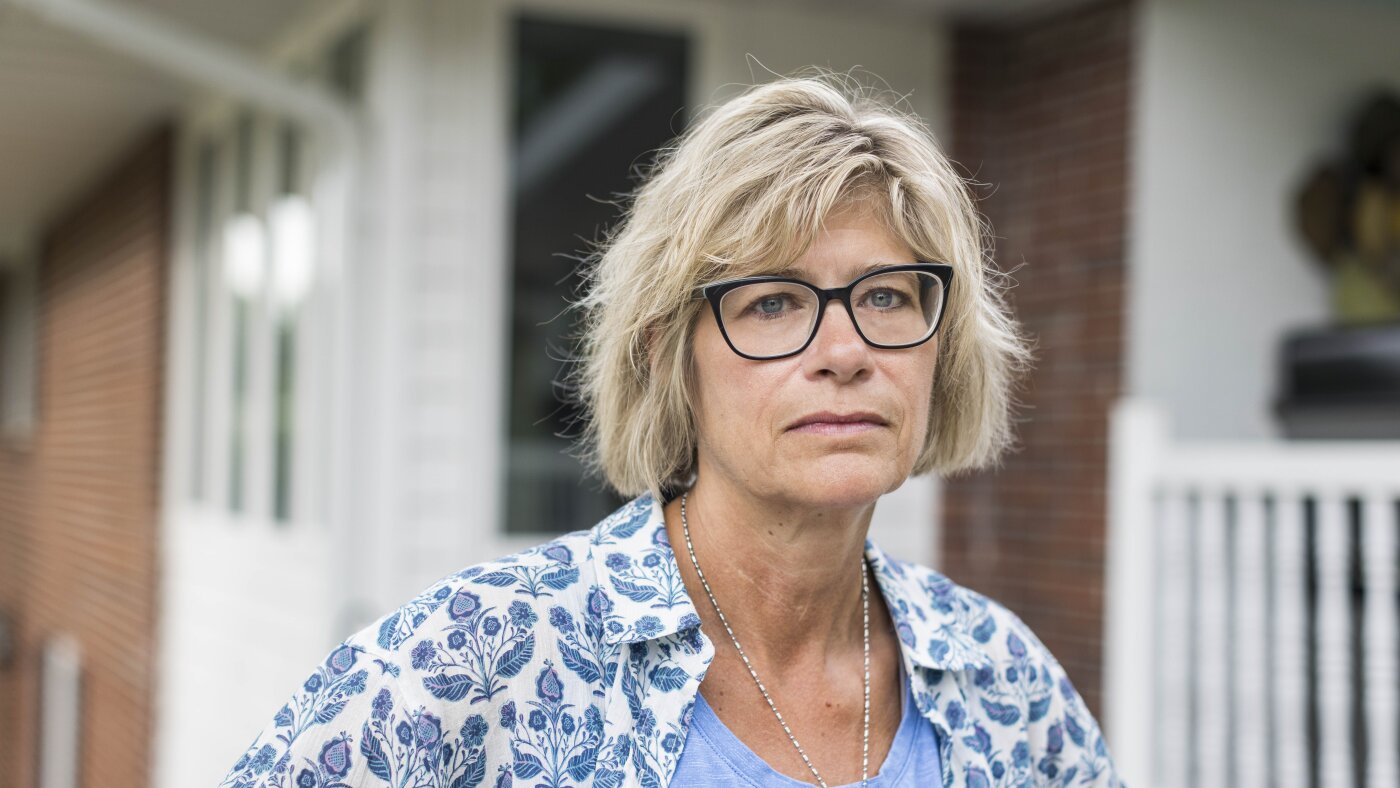
In a digital era where social media posts can rapidly spiral into significant consequences, Maria Ruhtenberg’s case highlights the complex interplay between online expression and professional repercussions. An attorney for the Iowa Office of the State Public Defender, Ruhtenberg found herself at the center of a storm following her comments on Facebook regarding Charlie Kirk’s assassination.
Ruhtenberg’s remarks, which included phrases like “live by the sword, die by the sword,” were initially seen only by her Facebook friends. However, a single complaint from a vague acquaintance led to her abrupt dismissal. “I don’t even know how we became Facebook friends, honestly,” Ruhtenberg noted.
The fallout was swift. A right-wing media outlet contacted her employer, and within days, Ruhtenberg lost her job after 15 years of service. Although she successfully appealed the termination, the incident left a lasting impact on her career and personal life.
Legal Ramifications and Settlements
Ruhtenberg subsequently filed a federal lawsuit against the state and public defender Jeff Wright for First Amendment retaliation. The case concluded with a $125,000 settlement in her favor. Similar legal outcomes have been observed for others who faced professional consequences due to their social media activity about Kirk.
Multiple cases have seen six-figure settlements, reflecting a broader trend. For instance, Melissa Crook, a high school teacher, received $145,000, and Brittney Brown, a biologist, secured a $485,000 settlement after being fired for their online comments. Each case underscores the tension between free expression and perceived workplace disruption.
The Role of Online Activism
The wave of dismissals was fueled by pro-Trump influencers and political figures urging employers to act against those expressing dissenting views about Kirk. This phenomenon, known as “the heckler’s veto,” leverages public pressure to suppress particular opinions.
Cary Davis, an attorney with the Foundation for Individual Rights and Expression, explains, “Whether that’s successful as a legal matter really depends on the situation and the specifics of the facts.”
Ongoing Impact and Future Implications
The aftermath of these cases continues to unfold, with organizations like FIRE monitoring ongoing legal battles. For individuals like Ruhtenberg and Brown, the experience has been transformative, prompting reevaluation of their online presence and professional paths.
As Ruhtenberg reflects on her ordeal, she acknowledges the difficulty of the journey but stands firm in her defense of free speech rights. Meanwhile, Brown has resumed her advocacy, asserting, “I won. I can speak out now.”
These cases serve as a reminder of the potent and unpredictable impact of social media in shaping careers and legal landscapes.
This article was originally written by www.npr.org