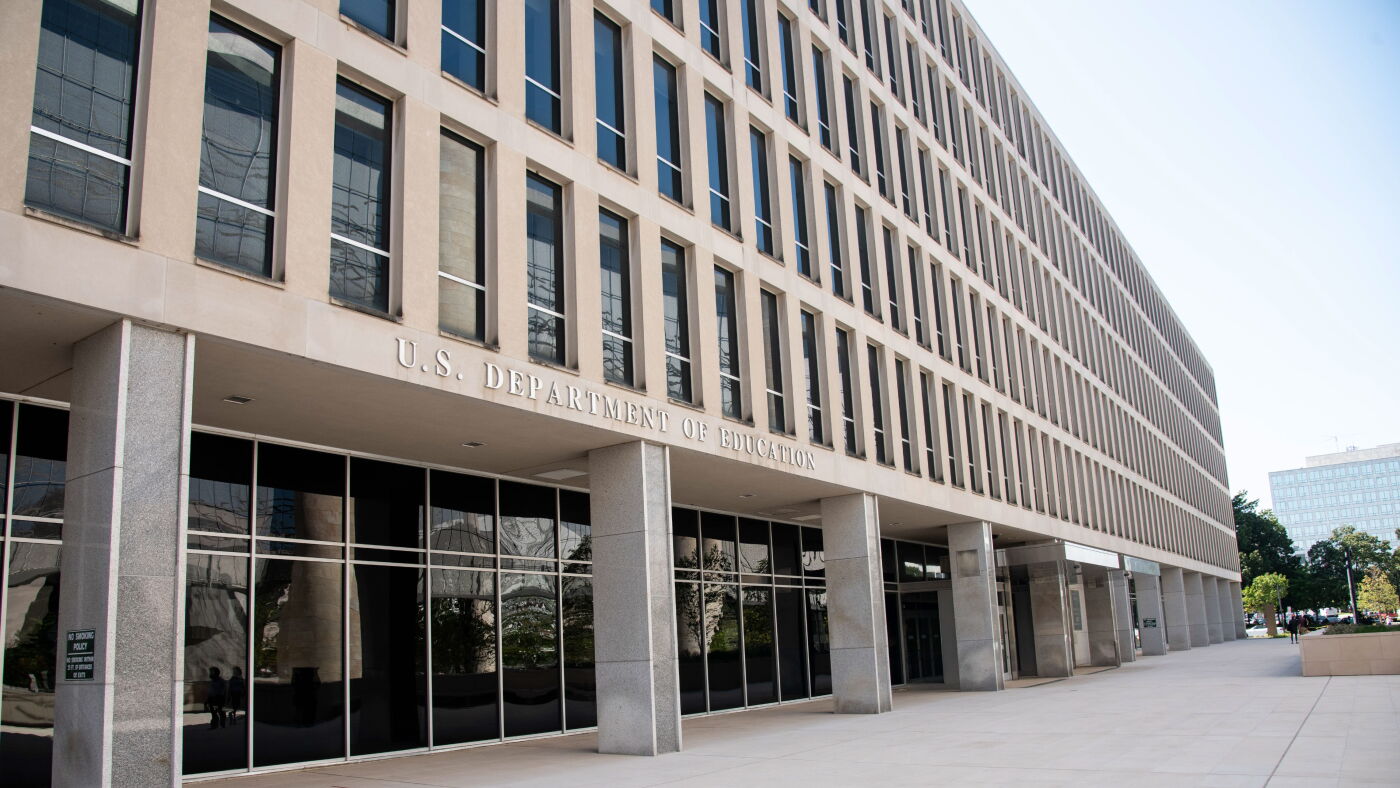
Department of Education Faces Leadership Changes Amidst Restructuring
In a significant shake-up within the U.S. Education Department, Kelly Rogers has announced her resignation from her role overseeing special education. This decision comes at a time when the department is undergoing substantial restructuring, including a contentious move of certain offices to the Department of Health and Human Services (HHS) in Washington, D.C.
Rogers, who began her tenure as head of the Office of Special Education and Rehabilitative Services (OSERS) in May, informed her team of her resignation just before a planned relocation of many staff to HHS. Her departure, effective September 11, leaves a gap in leadership as these transitions occur.
OSERS plays a crucial role in managing programs for individuals with disabilities, including overseeing the implementation of the Individuals with Disabilities Education Act (IDEA) and administering about $15 billion in federal funding. The planned move to HHS is viewed by some as part of broader efforts by the Trump administration to dismantle the Education Department.
In her resignation message, Rogers stated, “I have made the decision to resign from my position as Deputy Assistant Secretary/Acting Assistant Secretary for OSERS to return home to Florida, effective September 11, 2026.” Despite stepping down, she expressed confidence in the team’s ability to continue their work, emphasizing the potential benefits of the partnership with HHS.
Education Department Press Secretary Savannah Newhouse confirmed Rogers’ departure and acknowledged her contributions, saying, “We thank her for all of her hard work and dedication to bettering education and employment outcomes for individuals with disabilities.”
The timing of Rogers’ resignation has caught many by surprise. “We’re all shocked,” said one OSERS employee, who wished to remain anonymous. The move of special education staff to HHS has also drawn criticism from disability rights advocates. Denise Marshall, CEO of the Council of Parent Attorneys and Advocates (COPAA), described the transfer as adding “another layer of bureaucracy while creating additional confusion and uncertainty for families, educators, and state agencies.”
Rogers’ Impact and Future Uncertainty
During her short tenure, Rogers focused on facilitating collaboration between the Education Department and HHS through interagency agreements (IAAs). She brought with her extensive experience from Florida, where she directed vocational rehabilitation and implemented IDEA. Her personal experiences as a mother of a child with autism also informed her approach. “I am intimately familiar with the work you do and the roles you have, because I have been in your shoes,” she said in a speech to staff.
However, some staff felt Rogers was more aligned with administrative goals than advocating for substantive change. Criticisms of her leadership style remain unaddressed by the department.
Looking ahead, it remains unclear who will take over Rogers’ responsibilities. With most of her staff set to begin working at HHS, the transition adds layers of uncertainty. Chad Rummel, CEO of the Council for Exceptional Children, voiced concerns about the oversight of special education during this period of upheaval. Additionally, a proposed budget for fiscal year 2027 seeks to drastically reduce OSERS staffing, which Rummel cautions could impact the rights of students with disabilities.
For more insights, visit NPR’s report on the Education Department and related coverage.