Special Education: Navigating the Challenges and Rewards of a Critical Profession
In the bustling corridors of Riverside County, California, Kathleen Tejeda has witnessed transformative journeys as a special educator. One student, who began high school navigating its complexities as a blind individual, blossomed into a vibrant participant in the school’s cheerleading squad and choir, even performing the national anthem for her peers. This success is a testament to the dedication of special educators like Tejeda, who have become vital advocates in their students’ lives.
The need for such dedicated educators is pressing. According to the Learning Policy Institute, a shortage of special educators spans 45 out of 50 states. This gap is widening as the number of special education students exceeds 8.2 million, representing about one in six public school students.
Despite this growing demand, the shortage of special education teachers is not a recent phenomenon. Since the enactment of the Individuals with Disabilities Education Act in 1975, the scarcity has persisted. Liz Bettini, a former special education teacher and now a researcher at Boston University, points out misconceptions that deter potential educators. “That is not the case,” she says, countering the myth that students are challenging to work with.
Instead, Bettini’s research reveals that special educators often feel isolated and overwhelmed by the myriad of student needs and extensive paperwork. Many educators juggle teaching across multiple subjects and grade levels, often without adequate compensation. “That’s a very heavy weight to carry as a teacher,” Bettini notes.
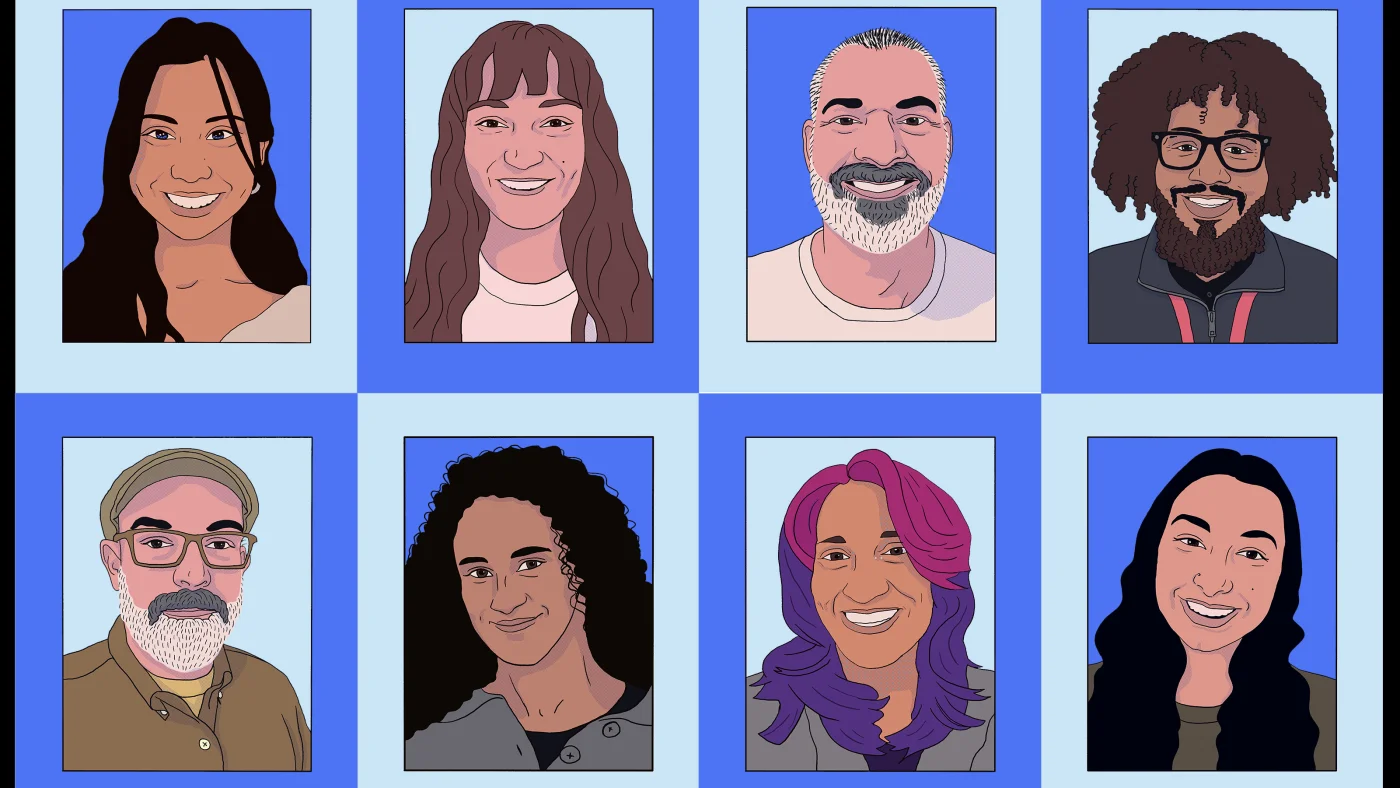
NPR has engaged with special educators nationwide to capture the essence of their roles. Teachers like Diana Swanson from Arizona highlight the fulfillment derived from their work, saying, “That’s what fulfills me.” Similarly, Danalyn Garcia in Chicago and Kaori Anderson-Walker in Philadelphia share insights into their evolving teaching experiences and the balancing act required to meet diverse student needs.
The Many Roles of Special Educators
Special educators face a unique set of challenges. Research indicates that burnout is prevalent among all public school teachers, but it is particularly acute in special education. These educators manage a diverse range of needs, from autism and learning disabilities to developmental and physical disabilities. Despite their critical role, one study shows that special educators spend only about a third of their day on instruction, with the rest dedicated to administrative tasks such as writing individualized education programs (IEPs) and coordinating specialized services.
IEPs are essential, legally mandated documents that outline each student’s unique needs and goals. However, the preparation and implementation of these programs are time-consuming and often detract from classroom teaching. In many states, teachers are required to have specialized training for these roles, yet they frequently receive no additional pay.
Teachers like Grace Fitzgerald in Peoria, Illinois, recount the emotional toll of handling crises in the classroom, illustrating the complexity of the job. Similarly, Garcia describes the challenges of maintaining order in an open classroom setting when behavioral issues arise.
Solutions and the Path Forward
Addressing the shortage of special educators involves tackling pay disparities and increasing the supply of qualified teachers. While 17 states offer additional pay for hard-to-staff positions, the number has decreased from 22 states four years ago. Efforts like Hawaii’s $10,000 salary increase for special educators have cut vacancies significantly, yet retention remains a challenge.
Chad Aldeman’s analysis highlights a stark gap: annually, 46,000 special education teachers leave public schools, while fewer than 30,000 are trained to replace them. Innovative approaches, such as “grow-your-own” programs that recruit community members, show promise in filling these roles. Supportive administration and adequate planning time also contribute to a more sustainable work environment for educators.
Fitzgerald, now in her first year of teaching, has worked with her school to incorporate more planning time into her schedule, allowing her to focus on her students’ needs effectively. Such measures are crucial in ensuring that special educators can continue to make a meaningful impact in their students’ lives.
Visuals and graphics design by LA Johnson and Julianna Conley