
AI Detection Software Challenges in Schools: A Case Study
In an era where artificial intelligence (AI) is rapidly integrating into educational systems, the story of Ailsa Ostovitz sheds light on the potential pitfalls of AI detection tools in schools. A high school junior from Maryland, Ostovitz has found herself in a challenging situation, having faced accusations of using AI for her assignments multiple times.
Ostovitz, a student at Eleanor Roosevelt High School, was flagged by her teacher’s AI detection software for allegedly using AI on a writing task. The detection tool indicated a 30.76% probability of AI involvement in her assignment about music, a topic she is passionate about. Ostovitz expressed her frustration, stating, “It’s mentally exhausting because it’s like I know this is my work.”
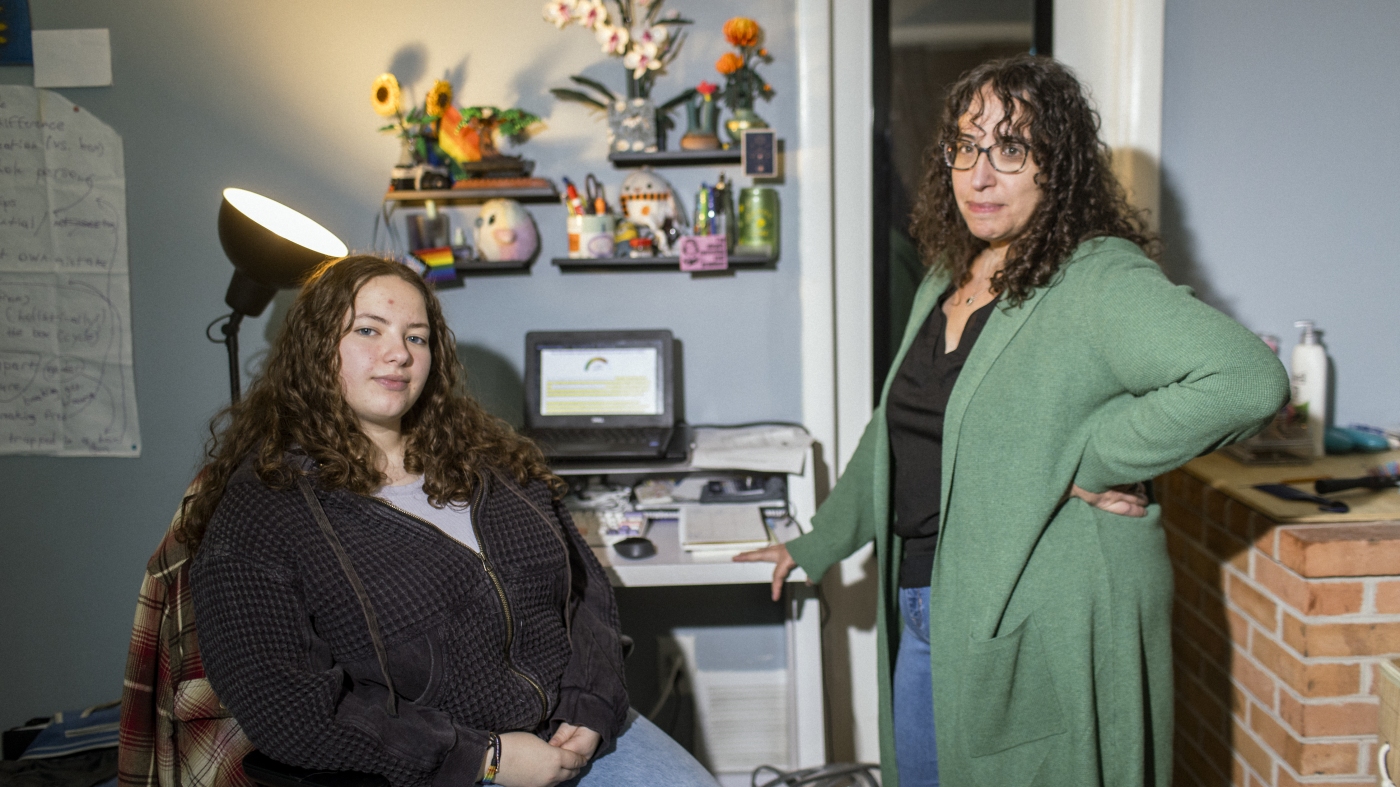
Despite her protests and attempts to communicate through the school’s platform, her teacher did not respond, resulting in a reduction of her grade. Her mother, Stephanie Rizk, described the situation as alarming, emphasizing the importance of understanding a student’s skill level before making such accusations.
Beck Harlan/NPR
According to Prince George’s County Public Schools, the teacher independently used the AI detection software, which the district does not fund. The district advises educators to be cautious with these tools due to potential inaccuracies. After a meeting with Rizk, the teacher no longer believed Ostovitz had used AI.
The use of AI detection tools is widespread, with over 40% of teachers from grades 6-12 utilizing them, as noted by a poll by the Center for Democracy and Technology. However, research questions the reliability of such tools, highlighting inconsistencies in their accuracy, especially when AI-generated text is modified to seem more human.
Broward County Public Schools in Florida has invested significantly in Turnitin’s AI detection feature, emphasizing its role in generating discussions rather than grading. Sherri Wilson from the district acknowledged the limitations of the tool, stating it’s used to facilitate teacher-student conversations.
The Use and Skepticism of AI Detection Tools
John Grady, a language and literature teacher, views AI detection as a starting point for dialogue, rather than a definitive judgment. He uses GPTZero to assess student essays, supplementing it with other methods to verify authenticity. Edward Tian, CEO of GPTZero, supports this approach, advocating for the tool’s role in aiding conversations rather than serving as a punitive measure.

Dustin Franz for NPR
Critics like Zi Shi, a Shaker Heights junior, and English teacher Carrie Cofer, voice concerns over potential biases in AI tools, especially against non-native English speakers. Cofer argues for reallocating funds from detection software to teacher training, suggesting AI’s role in education should evolve to adapt teaching methods and assessment strategies.
Ostovitz now preemptively checks her assignments with multiple AI detectors to avoid future issues, revising flagged sections to ensure her work is recognized as her own. “I think I’ve definitely become more vigilant about presenting my work as mine and not AI,” she remarked.




