
Supreme Court Strikes Down Trump’s Tariffs, Sparking Presidential Outcry
The Supreme Court has delivered a significant blow to President Trump’s trade policies by invalidating tariffs he imposed using emergency powers. This decision, which dismantles a major component of Trump’s economic strategy, has led to a sharp rebuke from the president towards the court’s conservative majority, including Chief Justice John Roberts and Justices Neil Gorsuch and Amy Coney Barrett, both of whom were appointed by Trump himself.
Image credit: Kevin Dietsch/Getty Images
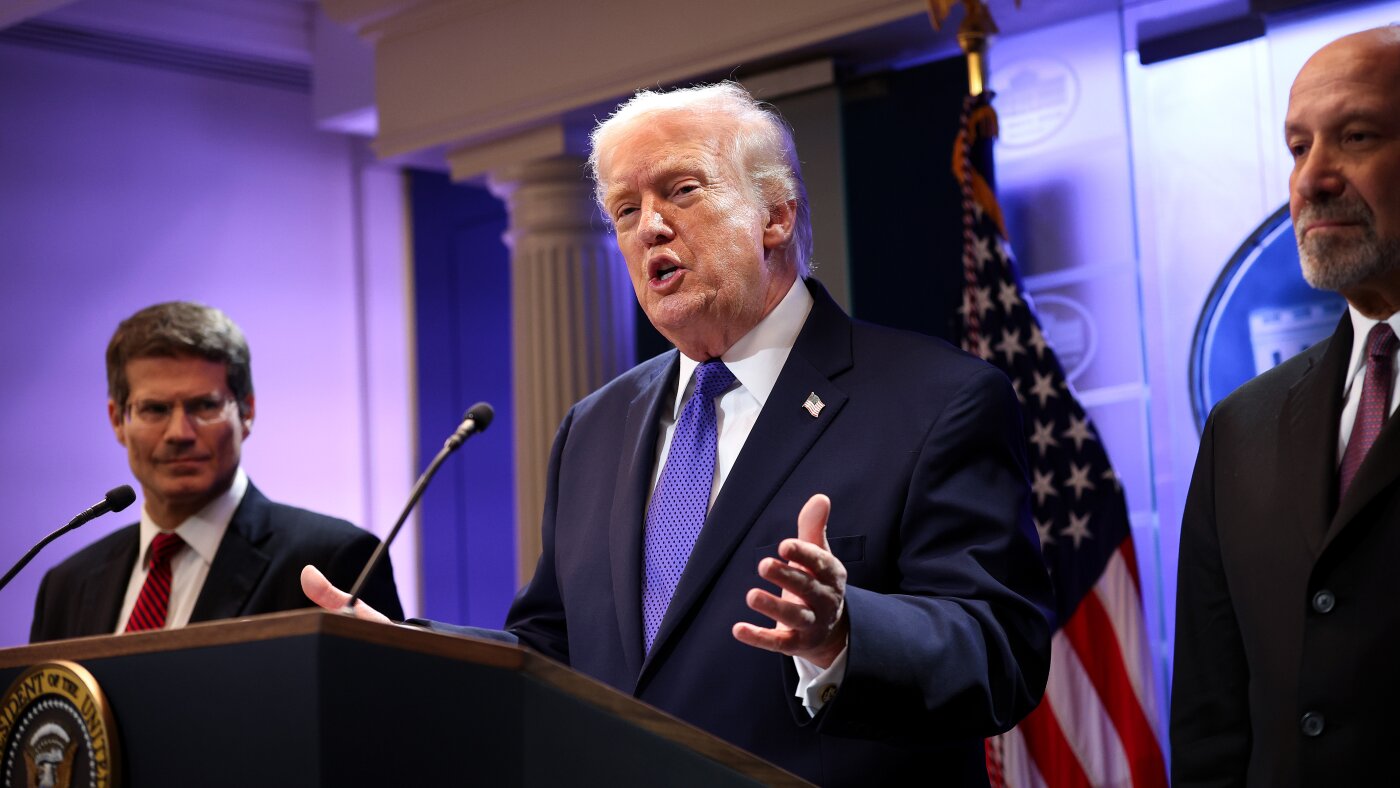
During a press conference, President Trump expressed his displeasure with the court’s decision, criticizing the justices for what he perceived as a betrayal. “They’re just being fools and lapdogs for the RINOs and the radical left Democrats,” Trump stated, using an acronym for “Republicans in name only.”
The Legal Dispute Unfolds
The controversy surrounding these tariffs began at the outset of Trump’s second term. He had signed an executive order allowing broad tariffs on numerous U.S. trading partners, predominantly affecting U.S. businesses. However, the Supreme Court ruled against this approach, with Chief Justice Roberts emphasizing that taxing power lies with Congress, as intended by the nation’s founders.
Despite the ruling, Trump plans to pursue his tariff strategy through other legal avenues, even though these statutes offer limited scope and require eventual congressional approval.
Significant Financial Implications
The decision has substantial financial ramifications. Approximately $30 billion in tariffs were collected monthly, with half of that now nullified by the ruling, potentially leading to a larger federal deficit. While tariffs represent a small portion of government revenue, the reduction is notable for businesses bearing these costs.
Unlike the initial market turbulence during the tariff imposition, the market response to the court’s decision was relatively stable. Investors seem to anticipate alternative tax measures by the administration, despite the constraints of existing statutes.
Refunds on the Horizon?
The question of whether businesses can reclaim tariffs paid over the past year remains unresolved. Chief Justice Roberts did not address refund procedures, leaving the matter to lower courts. Trade experts, such as lawyer Robert Leo, believe that while complex, processing refunds is feasible given the electronic records maintained by customs.
The National Retail Federation has urged for a seamless refund process, emphasizing the need for prompt restitution to impacted importers.
The Court’s Divided Stand
The Supreme Court’s decision highlights its conservative division, with Chief Justice Roberts’ majority opinion joined by Justices Gorsuch, Barrett, and the court’s liberal justices. This decision underscores the court’s cautious approach to financial matters and its insistence on constitutional compliance.
The ruling also illustrates the court’s internal divisions, with multiple concurring and dissenting opinions. Justices Gorsuch and Kavanaugh penned extensive opinions, reflecting the diverse perspectives within the court.
This article was originally written by www.npr.org




