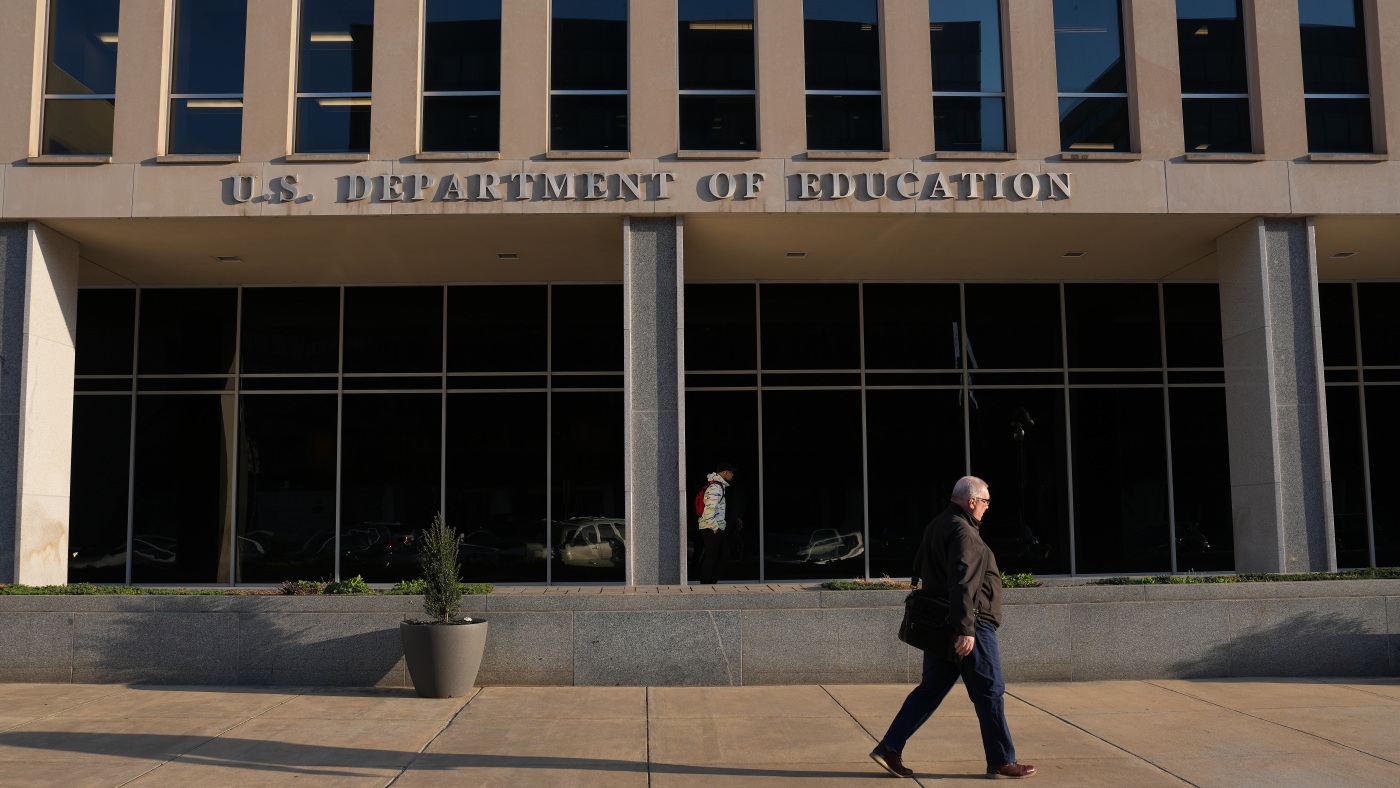
Significant Layoffs at the U.S. Department of Education: Implications for Special Education
In a sharp move by the Trump administration, sweeping layoffs have been announced at the U.S. Department of Education, significantly impacting the office overseeing special education. This development comes as a blow to the department, according to internal sources.
The layoffs, known as a reduction-in-force (RIF), target the staff responsible for managing approximately $15 billion in special education funding. These funds are crucial for ensuring that states provide essential services to the 7.5 million children with disabilities across the nation.
One employee, who wished to remain anonymous, described the situation as “decimating the office responsible for safeguarding the rights of infants, toddlers, children, and youth with disabilities.” This office, known as the Office of Special Education and Rehabilitative Services (OSERS), plays a vital role in supporting students with disabilities by offering guidance and ensuring compliance with the Individuals with Disabilities Education Act (IDEA).
While the total number of layoffs at the Department of Education reached 466, these were part of broader government cuts, totaling approximately 4,200 positions, due to an ongoing government shutdown.
Rachel Gittleman, president of AFGE Local 252, expressed concern over the layoffs, stating, “Based on multiple reports from staff and their managers, we believe that all remaining staff in the Office of Special Education and Rehabilitative Services (OSERS), including the Office of Special Education Programs (OSEP) and the Rehabilitative Services Administration (RSA), have been illegally fired.”
The IDEA, which celebrated its 50th anniversary this year, is a landmark civil rights law ensuring all children with disabilities receive an appropriate public education. OSERS staff are responsible for monitoring state compliance with this law, reviewing state plans, and providing technical assistance. Without these staff members, oversight of these essential services may falter.
Despite the layoffs, special education funding to states remains intact for now. However, the absence of federal oversight raises concerns among state education officials. One state director of special education noted, “The concept of leaving special education up to states sounds great, but it’s scary. What happens if one state decides to interpret the law one way, but another state disagrees and interprets it differently?”
This move has sparked legal questions, as federal law mandates the existence of an Office of Special Education Programs within the Department of Education to oversee special education funding and programs. The legality of effectively closing the office by laying off its staff without congressional approval is under scrutiny.