A High School Junior’s Insight into Memory Wins NPR’s Podcast Challenge
In a world where memories fade swiftly, the story of Amit Biligiri, a junior at Evergreen Valley High School in San Jose, Calif., stands out. Seated with his mother, Kalyani Urs, Amit recalls the frequent disagreements over his late-night habits. His mother often expressed concern over his sleep schedule, a common issue among teenagers.
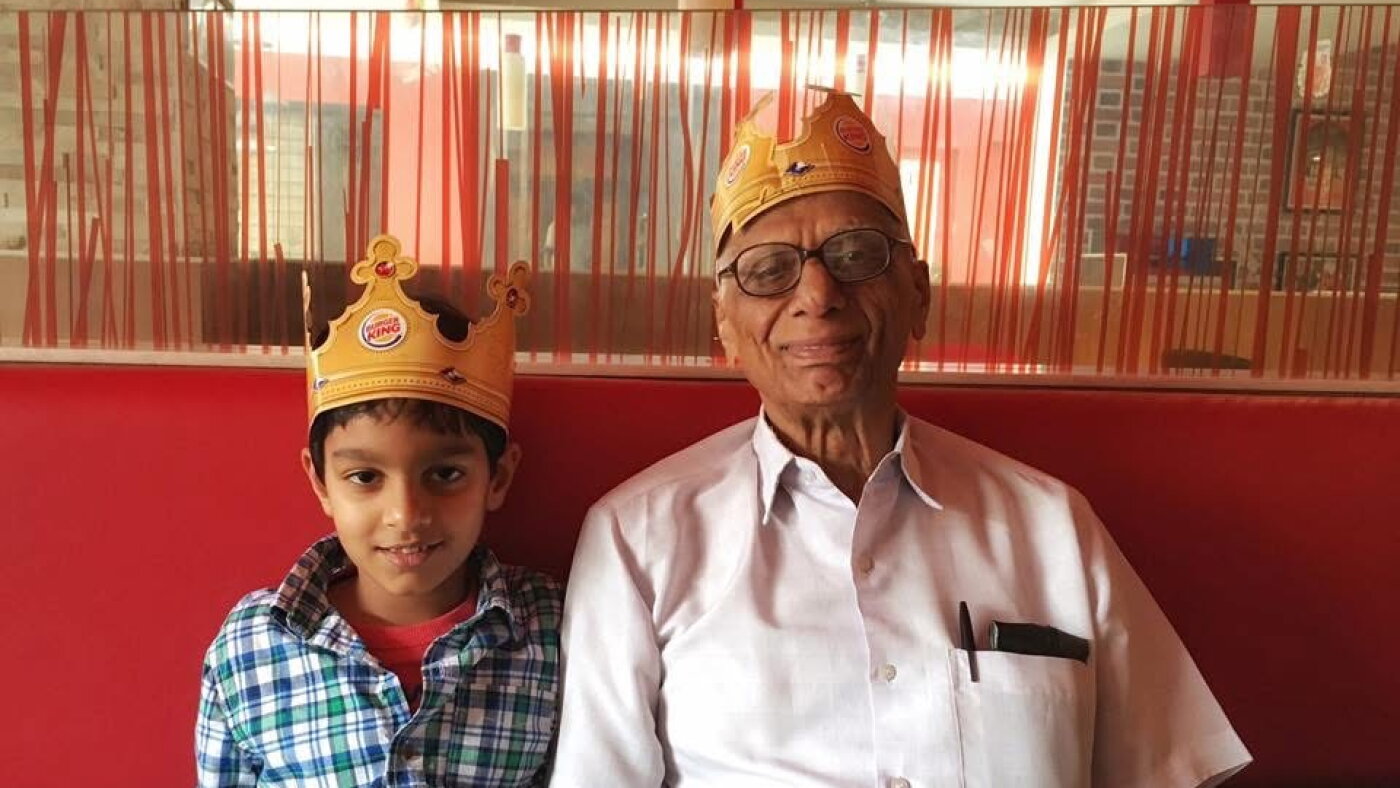
Amit shares his reasoning, “I looked into this and found out that the sleep cycle for teenagers is actually delayed by a few hours. It’s healthier for them to sleep later and then also wake up later.” Despite his mother’s insistence that lack of sleep was affecting his memory, Amit challenged her with his vivid recollection of sharing fries with his great-grandfather, fondly known as Scooter Muttha, at a Burger King in Bangalore.
This memory sparked Amit’s curiosity about the workings of memory, leading him to create a podcast for NPR’s Student Podcast Challenge. His podcast, What Happens to Memories, won the top prize among 1,500 entries, making him a standout winner in the prestigious contest’s eighth year.
The Podcast
Amit’s winning podcast begins with a reflection: “There were entire weeks of my life I barely remember.” He ponders why some memories, like a shared moment with his great-grandfather, remain vivid while others fade. Amit describes a cherished memory: “I’m sitting across from Scooter Muttha…just two kings eating fast food.”
This memory, captured in an old photo, remains significant despite its simplicity. Amit questions, “Why does my brain let go of a math lecture from yesterday but hold onto a paper crown from a decade ago?” His podcast explores the nature of memory, suggesting that emotions play a crucial role in what we remember.
During his research, Amit discovered that the brain’s amygdala acts as a “foreman” at a “construction site,” deciding which memories to save or discard. He learned that adequate sleep is essential for memory retention and that screens can hinder memory-making by dividing attention.
Through volunteering at a senior living community, Amit observed that people often cherish memories associated with strong emotions rather than significant events. He says, “Science can explain the neurons and the glymphatic system, but it doesn’t fully explain why…I see a flicker of a gold paper crown.”
Since completing his podcast, Amit has noticed his mom listening to it alone, bringing her closer to her grandfather. As Amit concludes, perhaps memories are more than just information; they signify that something or someone truly mattered. Listen to Amit Biligiri’s What Happens to Memories?