Historic Church Memorializes Enslaved Individuals with Nearly $1 Million Grant
In a significant move towards historical recognition and education, a Tennessee church has been awarded a substantial grant to develop a memorial honoring enslaved individuals at a historical slave market location.
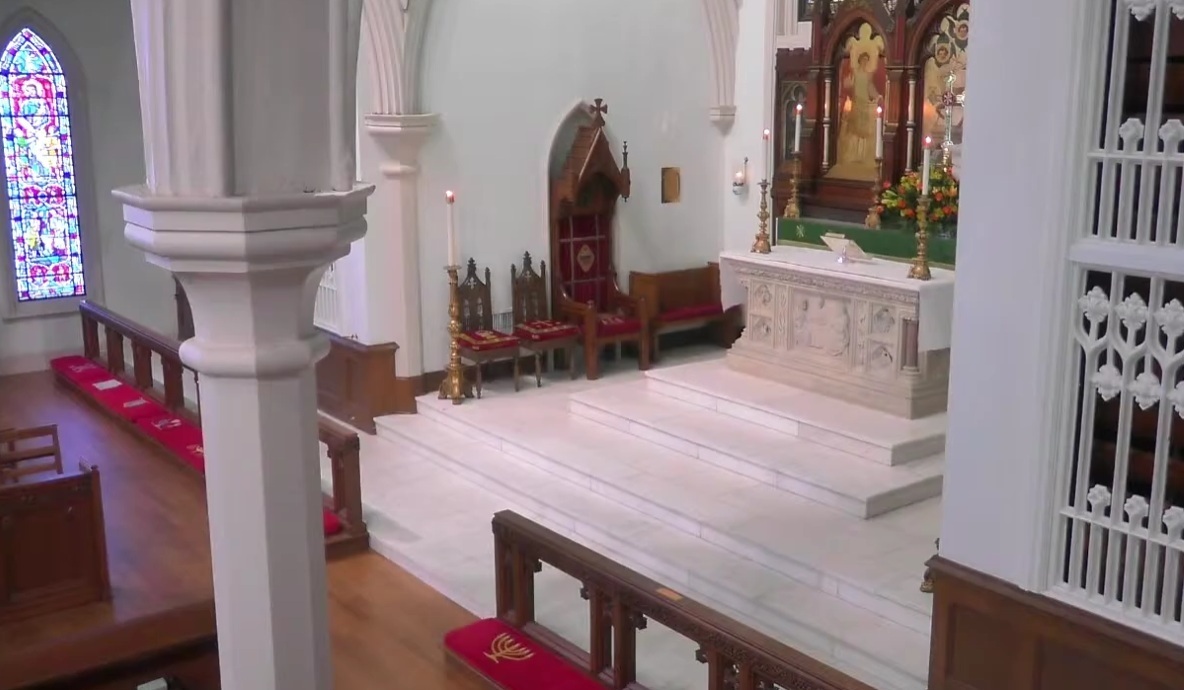
Calvary Episcopal Church in Memphis has received a $996,000 grant from The Mellon Foundation to support their initiative, “The Legacy of 87 Adams” project.
Located at 87 Adams Street in Downtown Memphis, the site once operated as a slave market where research estimates around 3,800 enslaved people were traded.
This initiative follows previous work by the Lynching Sites Project of Memphis, which identified a misleading historical marker at the site from 1955 that failed to acknowledge the nature of Nathan Bedford Forrest’s slave trading business.
“In 2018, members of our coalition collaborated to erect a new marker at this site, unearthing this history and holding a memorial service to remember the lives of those sold here,” the project’s website notes, emphasizing the goal of correcting historical inaccuracies and encouraging reflection and dialogue.
The church’s aim is to establish a memorial and accompanying archive that will document the stories of the enslaved individuals and the buyers at the location.
Requests for comments from Calvary Episcopal Church went unanswered; however, The Rev. Scott Walters, rector of the church, expressed his excitement over the grant in a statement.
“I am thrilled at the news that Calvary and our dedicated team of community partners will be able to build on the work we’ve done over the past nine years,” stated Walters, according to Episcopal News Service.
He added that he hopes the truthful treatment of the site’s history will lead to healing and transformation within the community.
A committee of community members will be responsible for selecting a design for the memorial, collaborating with local artists, and establishing community programs, according to reports by ENS.
This article was originally written by www.christianpost.com