
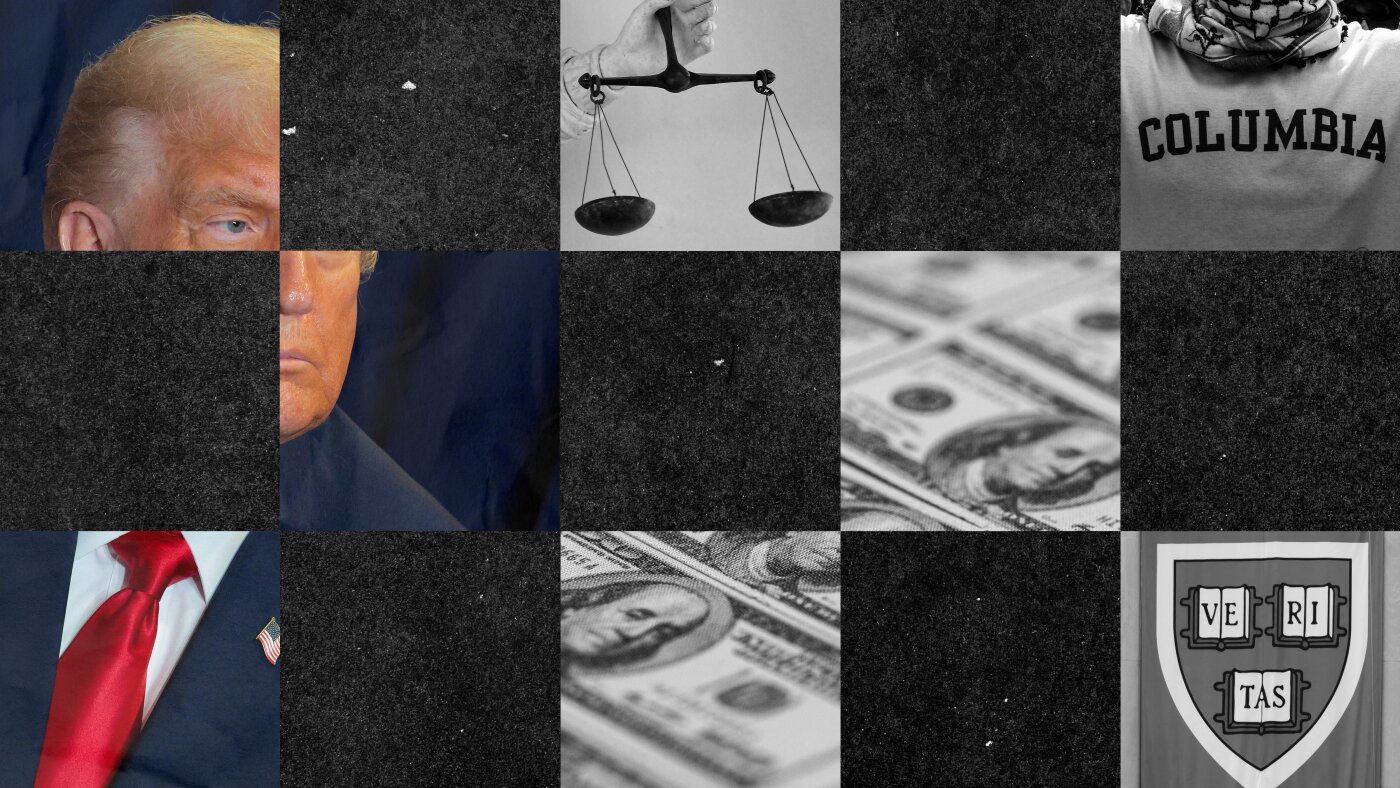
Trump Administration’s Financial Pressure on Elite Universities: A Complex Saga
The Trump administration’s strategy of leveraging federal funding to enforce policy changes at some of the country’s most prestigious universities has sparked debate and controversy. This strategy, which began with an executive order targeting antisemitism, has expanded to influence a wide range of issues, pushing elite institutions to reconsider their policies.
In January 2025, President Trump issued an executive order directing U.S. universities to tackle antisemitism on their campuses. This led to investigations at five universities, which later expanded to 60, as noted here. However, the implications of this order soon extended beyond its initial focus.
According to NPR, federal agencies began withholding billions in contracts and grants from several prominent schools, urging them to align more closely with Trump’s policy objectives. This move has resulted in settlements with schools like the University of Pennsylvania and Columbia University, while others, like Harvard, have chosen to contest these actions in court.
In a notable case, a federal judge ruled in September that the government’s freezing of over $2 billion in Harvard’s federal grants and contracts was illegal, a decision currently under appeal. Despite this, other universities have opted for settlements, agreeing to various financial and policy terms.
Some universities have compensated the government with substantial sums, while others have agreed only to policy adjustments. These changes often involve redefining gender based on presidential orders and cutting support for diversity, equity, and inclusion (DEI) initiatives. “In just a year, President Trump has completely transformed American higher education,” stated Liz Huston, a White House spokesperson, highlighting the administration’s intent to enforce civil rights and eliminate waste.
Legal and Constitutional Concerns
The administration’s approach has raised significant legal questions. Constitutional scholars, such as Thomas Berry from the Cato Institute, have expressed concerns about the legality of using federal funds to impose policy changes. Berry argues that the government shouldn’t interfere with how private universities operate, emphasizing the unconstitutional conditions doctrine of the First Amendment, which protects entities from having to relinquish constitutional rights to receive federal benefits.
Todd Wolfson, president of the American Association of University Professors, also criticized the administration’s tactics, asserting that they undermine academic freedom and threaten research projects. He characterized the settlements as “extortion.”
Settlement Details for Key Universities
In 2025, several universities reached high-profile settlements with the government:
Northwestern University:
- Agreed to pay $75 million over three years to unlock $790 million in federal funds and end civil rights investigations.
- Faced accusations of allowing antisemitism due to protests against Israel’s actions in Gaza.
- Will terminate the 2024 Deering Meadow Agreement with student demonstrators.
Cornell University:
- Struck a deal to avoid losing $250 million in federal funding, agreeing to pay $60 million over three years.
- Will incorporate Justice Department guidance on DEI as a training resource for faculty and staff.
University of Virginia:
- Entered a settlement in October, following multiple investigations related to ending DEI initiatives.
- No financial penalty imposed, but agreed to adhere to civil rights laws as per federal guidance.
Brown University:
- Agreed to a $50 million payment over 10 years and policy changes after facing a potential $510 million funding freeze.
- Committed to not considering race in admissions and programming.
Columbia University:
- Agreed to pay $221 million to settle several investigations, including allegations of discriminatory practices.
- Will provide detailed demographic data of admitted and rejected students and review its admissions process.




