
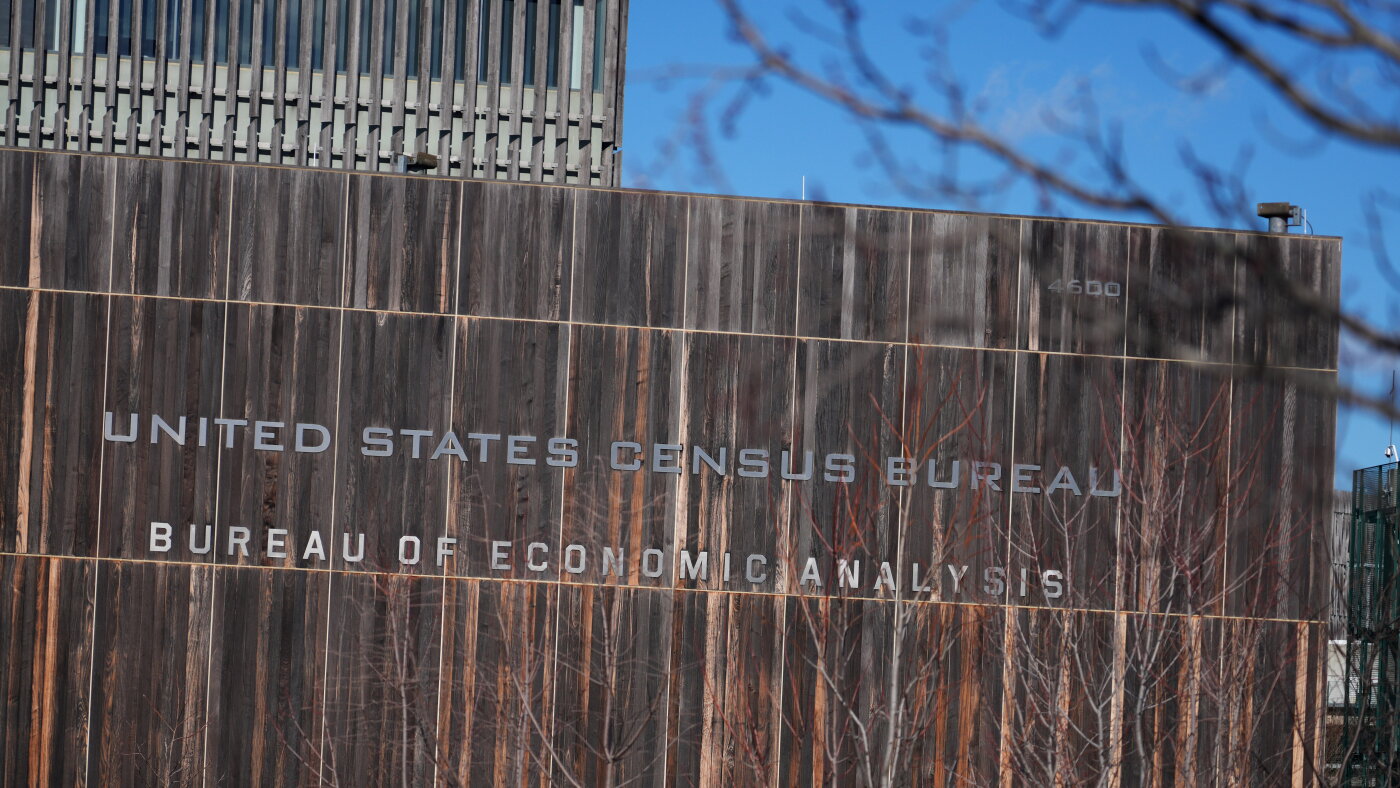
The Trump Administration’s Adjustments to Scientific Integrity Policy Stir Concerns
Recent modifications to the Commerce Department’s scientific integrity policy have sparked renewed scrutiny over the Census Bureau’s impartiality during the Trump administration. These changes, which quietly removed language that previously barred political interference, have raised eyebrows among experts and former officials.
In a policy revision dated August 19, the day after a contentious report concerning non-U.S. citizen voting was released, the Commerce Department eliminated specific prohibitions against influencing scientific endeavors. This decision impacts all agencies within the department, including the Census Bureau and the National Oceanic and Atmospheric Administration.
The timing of this policy update coincides with broader apprehensions about political meddling in the operations of the Census Bureau, especially as preparations for the 2030 census intensify. The decennial census plays a pivotal role in determining political representation and federal funding distribution.
What Has Changed in the Policy?
Earlier versions of the policy emphasized safeguarding scientific findings from political manipulation and ensuring independent reviews to uphold integrity. However, the recent revisions no longer classify protection against “inappropriate influence” as a cornerstone of scientific integrity.
Despite adopting a definition of “scientific integrity” similar to previous policies, the updated version omits crucial protections that were previously considered essential. So far, neither the Commerce Department nor the Census Bureau has publicly commented on these changes.
Experts Warn of Potential Weaponization
Data experts and former Census Bureau officials have expressed concerns that these revisions could be part of broader efforts to use the bureau for political ends. Nancy Potok, a former deputy director at the bureau, remarked that the removal of these protective clauses represents a significant shift that weakens defenses against political interference.
Potok pointed to a 2018 law requiring federal statistical agencies to ensure the objectivity and impartiality of their data, known as the “Trust Regulation.” She suggests that the current changes are troubling because they seem to disregard these established guidelines.
Former Census Bureau Director, Robert Santos, noted the close timing between the policy change and the release of the controversial report on noncitizen voting, suggesting it might be an attempt to align department actions with the administration’s objectives.
In addition to these policy shifts, the administration recently halted a longstanding data privacy protection technique, delaying new data releases and potentially reducing available statistics on specific communities. This decision further fuels concerns about the bureau’s future direction and its ability to deliver unbiased data.
Implications for the Census Bureau’s Future
As the Census Bureau gears up for the next decennial count, these policy changes come at a critical moment. The agency has already faced challenges, including a significant reduction in its expert workforce. The revised policy introduces a new system for investigating violations, with a diminished role for department lawyers, which Beth Jarosz of the Association of Public Data Users finds troubling.
Jarosz warned, “There’s room for interference because the way that the new rule is structured leaves lots of opportunities to put pressure on staff to act in a certain way, to decide things in a certain way or to come to certain conclusions.” This sentiment echoes broader concerns that the bureau’s ability to maintain its scientific integrity could be compromised under the new guidelines.




