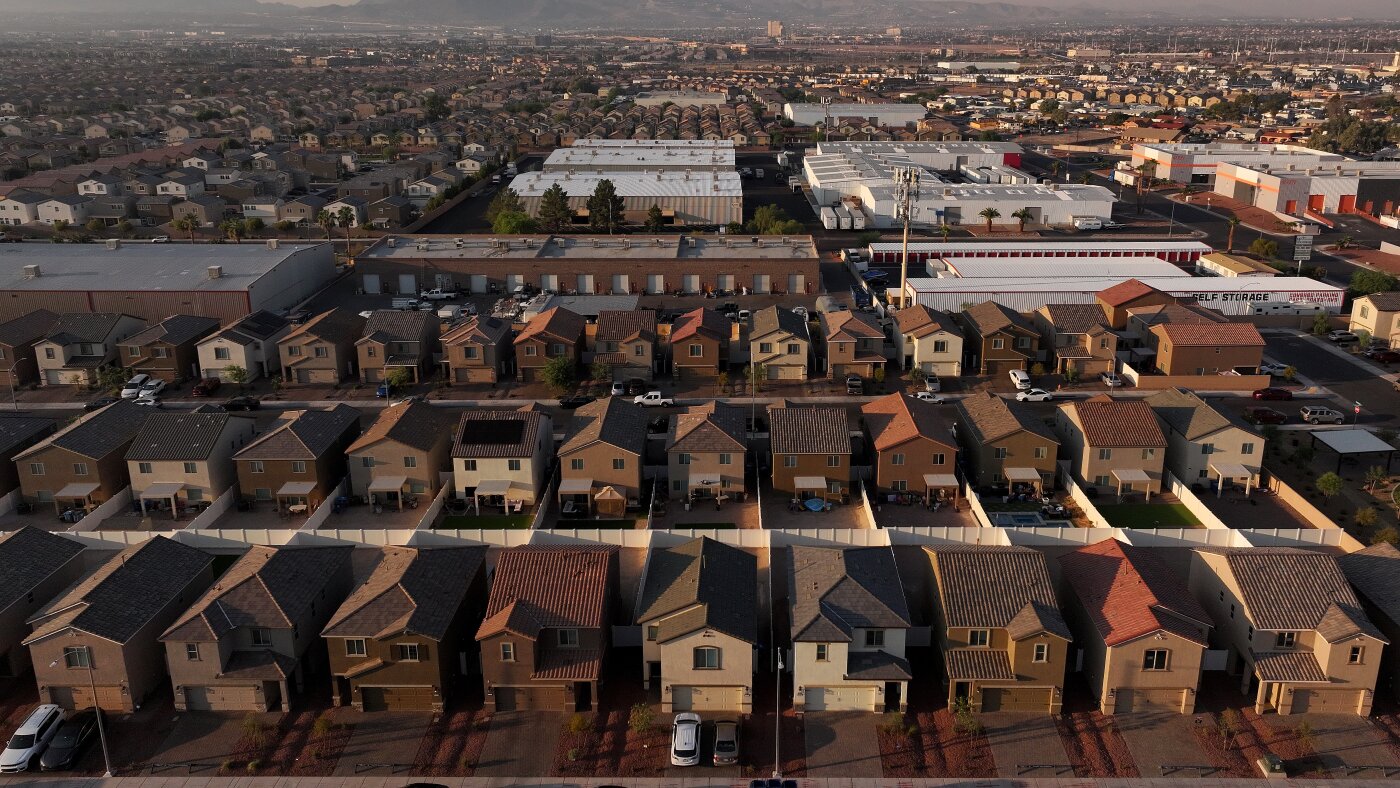
Homebuyers Face Challenges as Institutional Investors Dominate the Housing Market
In the bustling real estate market of Indianapolis, Ashley Maxwell and her husband embarked on a daunting journey to buy their first home back in 2020. The couple, accompanied by their three children, scoured over 80 homes in just two months. “We looked at over 80 homes in probably a span of two months,” Ashley recounted.
The urgency in their search stemmed from their landlord’s decision to sell their rental property. This pressure was further compounded by the competitive offers they faced, often from investors. “We would pull up to a house, our agent would get out and be like, ‘There’s 10 additional offers, sight unseen, all cash.’ Typically that means it’s an investor,” she recalled.
Rising Investor Interest and Policy Responses
The Maxwells were not alone in their struggle. A nationwide surge of institutional investors buying single-family homes to rent out has impacted many potential homeowners. This wave was initially fueled by record-low mortgage rates.
Addressing this issue has become a focal point for President Trump, who recently proposed to “ban large institutional investors from buying more single-family homes” to reduce housing costs. Though popular, particularly among some Democrats, such legislation has faced significant hurdles.
Local Efforts and Legislative Challenges
In Fishers, Indiana, Republican Mayor Scott Fadness was alarmed by data indicating that nearly 35-38% of homes in certain neighborhoods were purchased by investors. This led to his proposal to cap rentals at 10% per neighborhood to bolster local homeownership. “It’s been a source of generational wealth in our country for a very long time, particularly in the middle class,” Fadness stated.
Despite opposition from realtor groups citing private property rights, the City Council unanimously supported the plan, which took effect on January 1. Fadness noted the unusual external business interest opposition to this ordinance.
Across the U.S., similar measures have been debated, yet most have not passed. Efforts in Congress have stalled, though California Governor Gavin Newsom has joined the call for action.
Economic Analysis and Housing Market Dynamics
While institutional investors are often blamed for rising prices, economists advise caution. Laurie Goodman from the Urban Institute’s Housing Finance Policy Center explains, “People see the connection, but they don’t necessarily separate out the cause and effect.” She notes that while prices increase in areas with investor purchases, these places are typically already experiencing growth.
Investors often buy fixer-uppers, a niche many individuals lack the expertise or financing to pursue. Nationally, large companies hold about 3% of the single-family rental market, with a higher presence in the Sunbelt. However, their buying has slowed since 2022 due to rising interest rates.
The primary issue is a housing shortage, Goodman highlights, noting that some investors are helping by building new single-family homes for rent. “The best way to make housing affordable is to simply build more of it — to increase supply,” she suggests.
Ongoing Debates in Las Vegas
In Las Vegas, state Sen. Dina Neal is concerned about build-to-rent developments impacting homeownership opportunities. She cites an example where an investor developed an entire neighborhood for rentals, prioritizing rental income over sales.
Neal has repeatedly proposed a cap on corporate landlords, but Nevada’s Republican governor, Joe Lombardo, has blocked these efforts, most recently last month.
Surprised by Trump’s support, Neal hopes it may galvanize broader Republican backing. “I am trying to figure out how I entered into a universe where I became aligned with a president who is a nemesis to the Democratic Party,” she remarked.
This article was originally written by www.npr.org