
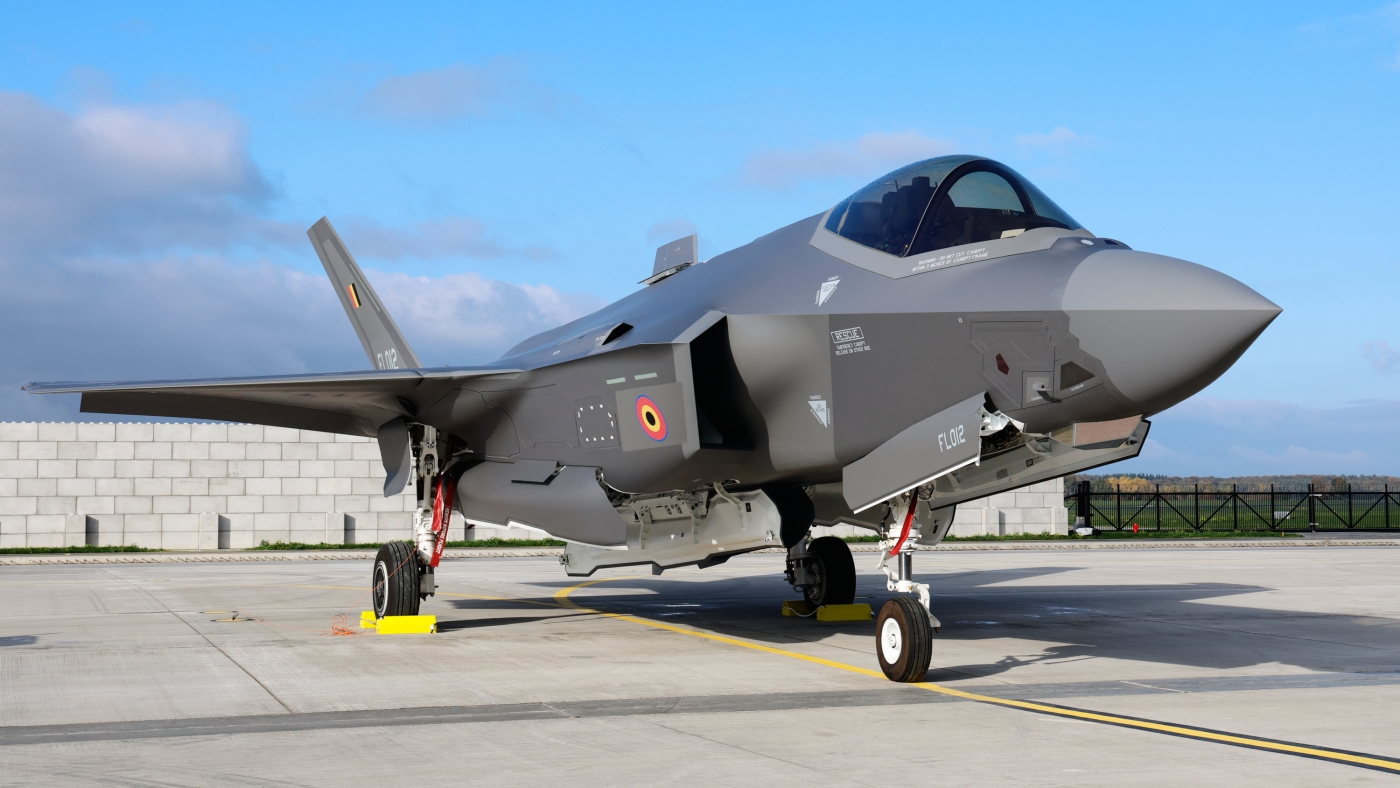
The Controversial Sale of F-35 Jets to Saudi Arabia and Its Implications
The recent decision by the U.S. to sell its most advanced fighter jet, the F-35, to Saudi Arabia has sparked a wave of debate. Despite concerns over potential technology leaks to China, President Donald Trump has confirmed the deal during a visit by Saudi Crown Prince Mohammed bin Salman to Washington.
The sale underscores the complex geopolitical relationships at play, particularly with Saudi Arabia’s close economic ties to China. The potential impact on Israel’s military superiority in the region also raises questions, given that Israel has already used the F-35 in conflicts, like its recent 12-day war against Iran.
Since its initial production in Fort Worth, Texas, nearly two decades ago, over 1,200 F-35 jets have been manufactured. Lockheed Martin, the plane’s producer, supports nearly 300,000 jobs across the U.S. through its extensive supply chain. These jets are utilized by the U.S. Air Force, Navy, and Marines, as well as 19 other nations.
The Fighter Jet’s Appeal and Challenges
The F-35’s versatility is a major draw; it serves the diverse needs of various military branches. The Marine Corps, for example, uses it for taking off and landing like a helicopter. However, the program is not without its critics, particularly due to its cost. Each unit’s price can reach up to $77 million, as reported in 2023.
Despite its high price tag, the F-35 is considered “America’s best and most advanced fighter jet,” noted Bradley Bowman from the Foundation for Defense of Democracies. The aircraft’s stealth technology and advanced radar systems make it difficult for adversaries to detect.
Rising Costs and Maintenance Concerns
The financial burden of the F-35 program extends beyond its purchase price. A report from the Government Accountability Office estimates the lifetime cost of maintaining and operating the planned 2,470 jets will surpass $2 trillion. Additionally, Lockheed Martin faced criticism for delivering jets late, with an average delay of 238 days last year.
Operational readiness is another concern. In 2023, the jets were mission-capable only 55% of the time, well below the program goals. Issues such as inadequate maintenance facilities and supply chain problems contribute to these challenges.
Dan Grazier from the Stimson Center criticized the F-35 program as a failure, citing the high maintenance needs of its stealth coating and problematic camera systems. He argued that despite its technological advancements, the aircraft “does a lot of things kind of well, but it doesn’t do anything great,” while also noting its significant cost.
Lockheed Martin defended the F-35, emphasizing its role in global security. “The F-35 is the cornerstone of the battlespace for 20 allied nations, enabling peace through strength,” the company stated, highlighting its combat-proven capabilities and significant contributions to international defense strategies.
This article was originally written by www.npr.org




