
Trump’s Recent Pardons: A Look into the Legal Ramifications and Reactions
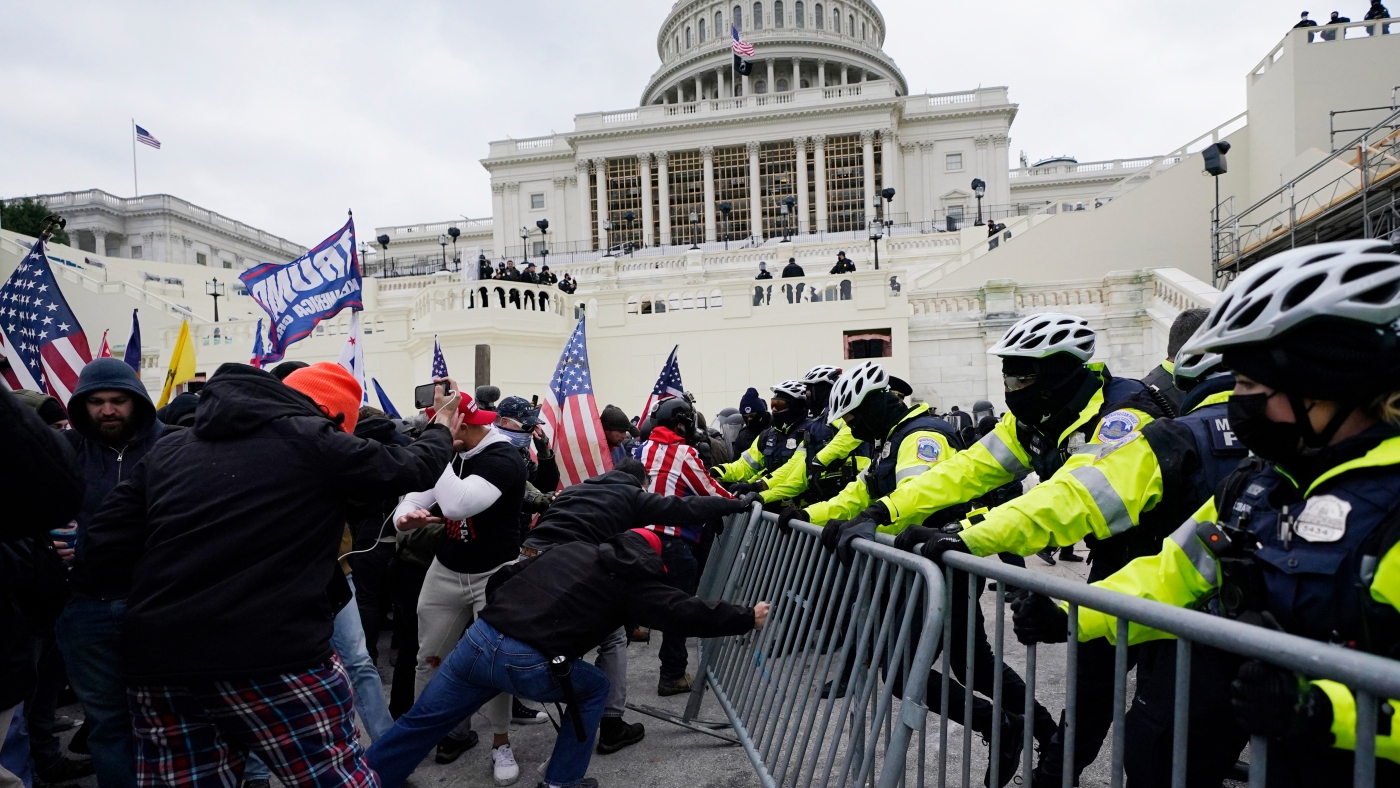
In a move that has reignited discussions about presidential pardons, former President Donald Trump has exercised his constitutional authority to pardon two individuals linked to the infamous January 6, 2021, Capitol riot. The pardons include a woman convicted of threatening federal agents and a man arrested for firearms possession.
Kaye’s Controversial Pardon
One of the pardons granted by Trump involves Suzanne Ellen Kaye, who had been previously convicted for threatening to shoot FBI agents. Kaye’s threat emerged after being contacted by the FBI regarding her potential presence at the Capitol during the January 6 events. The court described her actions as part of a larger trend of “violent political rhetoric” causing societal harm.
Despite serving an 18-month sentence, Kaye maintained that she did not own any firearms and had no intention to harm the FBI. She had also stated she was not present at the Capitol during the riot. A White House official, speaking anonymously, suggested that Kaye’s case represented “disfavored First Amendment political speech” being punished excessively.
The Case of Daniel Edwin Wilson
Trump’s second pardon was issued to Daniel Edwin Wilson from Louisville, Kentucky. Wilson’s involvement in the Capitol riot led to a search that uncovered multiple firearms and thousands of rounds of ammunition at his residence, which was illegal due to his prior felony convictions. Wilson had been sentenced to five years in prison for conspiring to impede police and possessing firearms illegally.
Wilson’s legal situation raised questions about the reach of Trump’s earlier broad pardons for January 6 participants. Initially, the Justice Department argued these pardons did not cover Wilson’s firearms offense. However, this stance shifted after receiving “further clarity” on the pardon’s intent.
Legal and Political Implications
The pardons have sparked significant debate, particularly regarding their implications for other crimes uncovered during investigations into the Capitol riot. The federal judge presiding over Wilson’s case, Dabney Friedrich, expressed surprise at the Justice Department’s fluctuating position, labeling it “extraordinary” that they would argue for the inclusion of contraband offenses under the pardons.
Wilson’s attorney, George Pallas, expressed gratitude for the pardon, emphasizing that it allows Wilson to reunite with his family and start anew. The White House justified the pardon by asserting that the search for weapons at Wilson’s home was a misplaced consequence of the broader investigation into January 6 activities.
The pardons, first reported by Politico and later confirmed by NPR, continue to fuel discussions about the boundaries of presidential clemency powers and their application, sparking both legal scrutiny and political discourse.




