U.S. and Iran at Odds Over Strait of Hormuz Proposal
In the latest development of U.S.-Iran relations, President Trump has dismissed an Iranian initiative aimed at reopening the crucial Strait of Hormuz. This strategic waterway has been a focal point of tension, especially after its closure following military actions earlier this year.
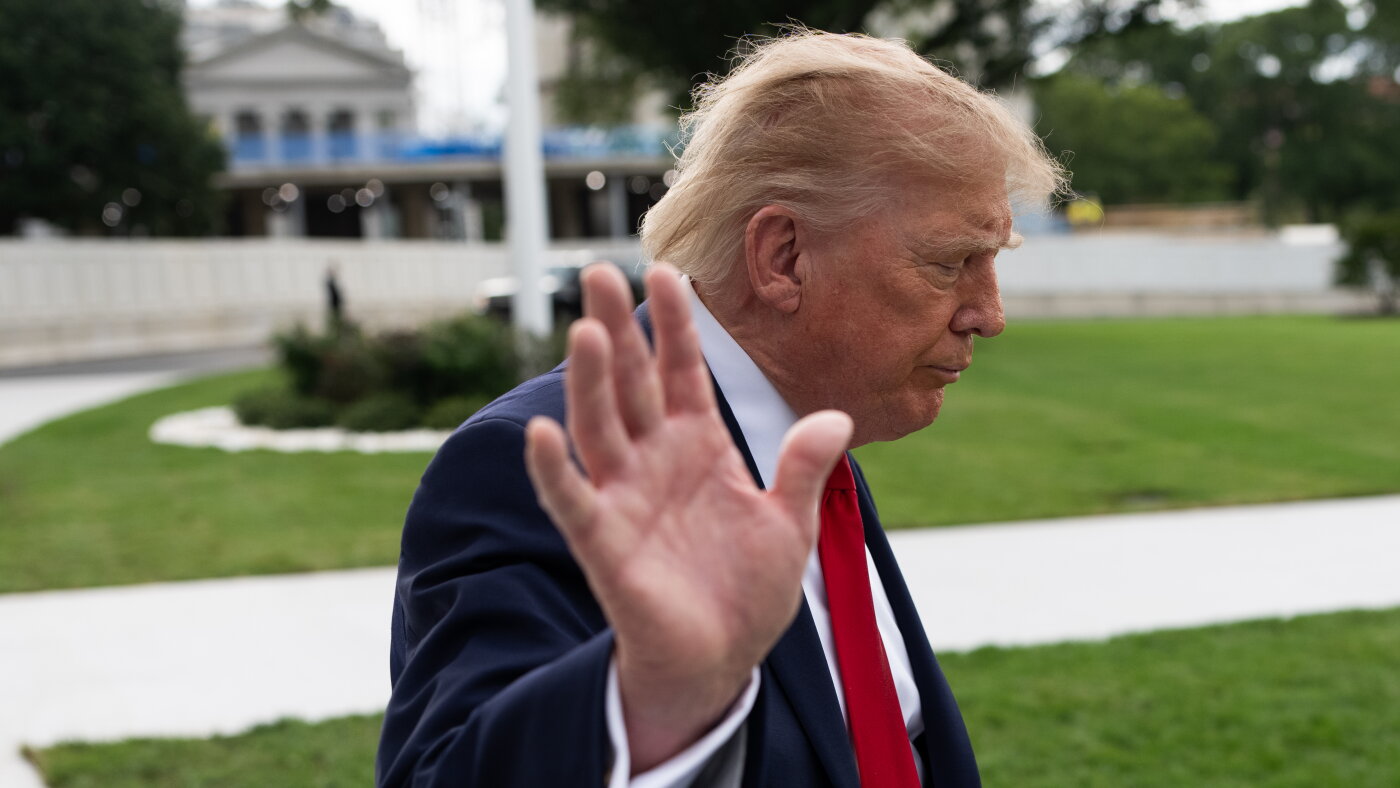
On Saturday, President Trump addressed the media before departing the White House, stating that the proposed plan by Iran to reopen the strait “would not be acceptable.” Despite expressing general interest in deal-making, Trump made it clear that this particular proposal was not feasible.
Iran’s proposal, presented during the United Nations General Assembly in New York, included a suggestion to resume negotiations between the United States and Iran. Iranian Foreign Minister Abbas Araghchi specified that a “concrete seven-day plan” was relayed to the U.S. through Qatar, emphasizing the potential for restoring normal maritime passage if certain conditions are met.
Historical context plays a crucial role in understanding this issue. In February, the strait was initially closed after attacks by the U.S. and Israel on Iran, causing significant disruptions to global oil supply chains. Araghchi asserted that “the choice now rests with the United States” regarding the reopening of the strait.
The Iranian proposal bears similarities to a previous memorandum of understanding (MoU) that was agreed upon by both nations in June. That agreement aimed to temporarily halt hostilities and initiate ceasefire discussions, with Iran receiving some relief from U.S. naval blockades in exchange for not pursuing nuclear weapons and reopening the strait.
The MoU eventually fell apart due to ambiguous language and disputes over the control of the strait, leading to renewed military actions. Araghchi highlighted that the U.S. actions required by the new proposal are consistent with commitments already outlined in the MoU, implying no new hurdles for implementation.
Meanwhile, Iranian President Masoud Pezeshkian, in an upcoming CBS interview, reiterated Iran’s willingness to uphold its commitments if the U.S. demonstrates a non-hostile stance. Pezeshkian stressed that mutual actions are necessary to advance to negotiation and resolution.
Should the U.S. accept the terms for reopening the strait and resume talks on nuclear issues, Iran has indicated it would permit U.N. nuclear inspectors into the country, potentially paving the way for a diplomatic breakthrough.
NPR’s Hadeel Al-Shalchi and Emily Feng contributed reporting.