
Economic Tensions Ripple Through Michigan’s Upper Peninsula Amid U.S.-Canada Tariff Dispute
In the picturesque yet economically fragile region of Michigan’s Upper Peninsula, the impact of a U.S.-Canada trade conflict is palpable. The area, known for its reliance on cross-border trade and tourism, is feeling the strain as President Trump’s 50% tariff on nearly $20 billion of Canadian goods takes effect.
Political dynamics in the UP, a Republican stronghold since the last Democrat representative Bart Stupak in 2011, may shift due to these economic pressures. With the upcoming U.S. Senate race potentially influencing national power balance, the tariffs are a critical concern for locals.
Residents, commonly referred to as “Yoopers,” face escalating costs on everyday items, exacerbated by the region’s remote location and high transportation expenses amid soaring diesel prices.
Ben Rahilly, a business owner in Newberry, a small town near the Canadian border, expressed his challenges: “Prices are going up. Our shipping charges are getting more and more every day. The cost of just goods is going up, so it’s making it tougher on our profit margins,” he shared. “Trying to keep it small town, small prices … so people can afford to keep shopping with us.”
Rahilly, while conservative, is reconsidering his political stance due to the tariffs. “Yeah, I voted for him [President Trump], but I don’t think everything he’s making right on his decisions,” he said, emphasizing the need for cooperation with international partners.
Cross-Border Challenges for Sault Ste. Marie
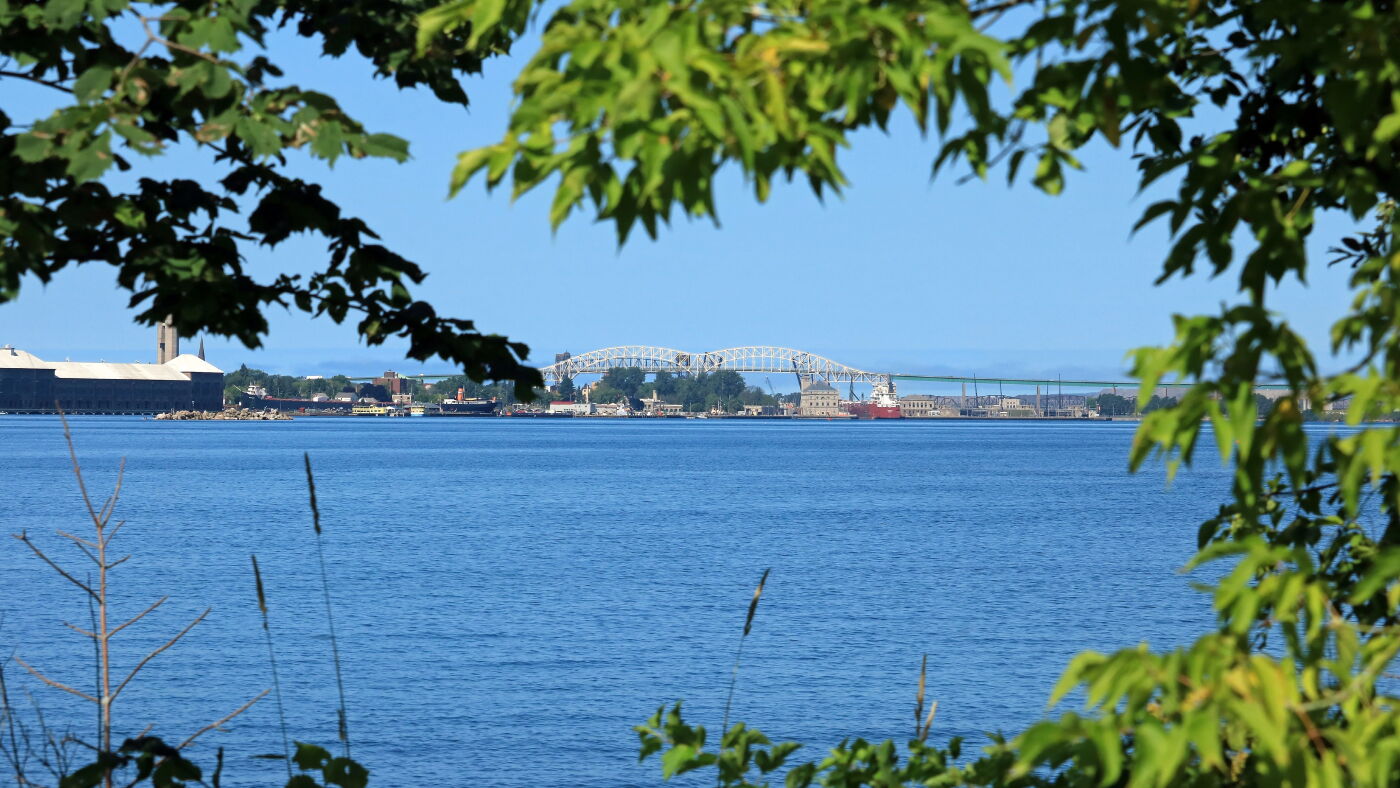
Sault Ste. Marie, Michigan, and its sister city in Ontario are directly linked by the International Bridge. However, commercial and passenger traffic has decreased by about 25% since Trump’s second term, leading to an estimated $62.7 million in lost revenue for Michigan’s businesses, according to estimates from the International Bridge Administration and Canadian government.
Tony Haller, executive director of the Sault Area Chamber of Commerce, remarked on the economic steadiness despite these challenges, stating, “Basically, never at the highest of highs or lowest of lows.”
With more than a third of Michigan’s exports directed to Canada, valued at over $21 billion last year, the state remains particularly vulnerable to trade disruptions, as noted by the federal government.
Reactions from Tourists and Local Residents
Tourists visiting the region also have their say. Todd Campbell, a trucking company owner from Knoxville, Tennessee, expressed dissatisfaction with the tariffs, despite his conservative leanings. “I’m not real happy about that. I’m a more conservative person, but I’m not happy with the way that’s going, to be honest with you,” Campbell said.
Meanwhile, Homer Coleman, an Independent voter from metro Detroit vacationing in the UP, criticized the president’s approach: “He [Trump] seemed like he wants to pick a fight with everybody, and he shouldn’t be picking a fight with Canada of all people.”
Retired engineer Don Laban from Muskegon, Michigan, supports the tariff efforts for balancing trade but criticizes the Democrats’ lack of a clear policy message: “What did the Democrats have to offer me, other than Orange Man bad?”
As the region braces for Canada’s countertariffs, the economic and political landscape in Michigan’s Upper Peninsula remains uncertain, with many hoping for a resolution that restores normalcy to cross-border relations.




