U.S. Blocks Entry to Five Europeans Over Alleged Censorship Efforts
In a move to safeguard American viewpoints online, the U.S. State Department has decided to bar entry to five European individuals accused of exerting pressure on U.S. tech companies to suppress certain American perspectives. The announcement, made on Tuesday, highlights the growing tensions between American and European approaches to digital content regulation.
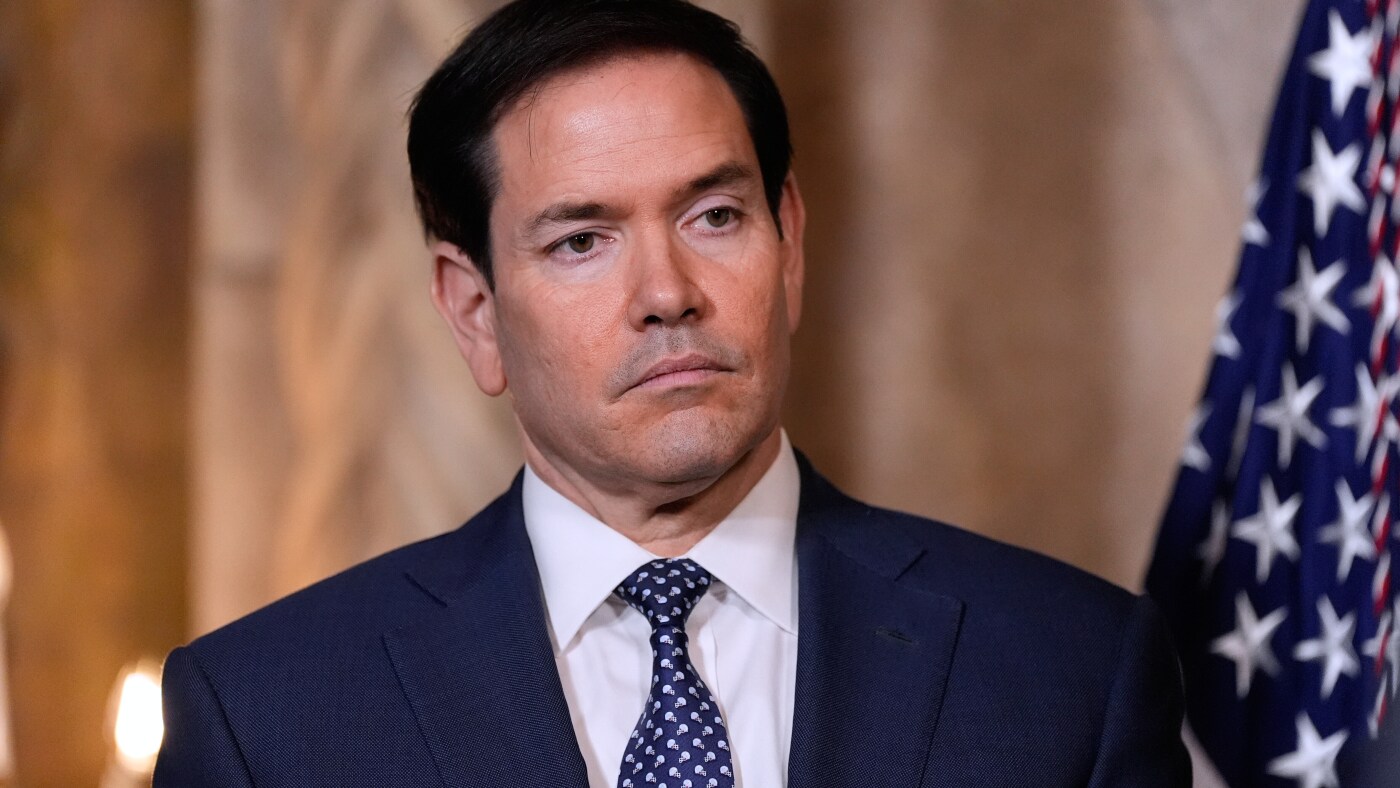
According to Secretary of State Marco Rubio, the individuals targeted by this decision are linked to “radical” activism and have been part of campaigns compelling American platforms to restrict content. This aligns with a visa policy introduced in May, aimed at denying entry to those believed to be responsible for censoring protected speech within the U.S.
In a statement made on social media platform X, Rubio emphasized, “For far too long, ideologues in Europe have led organized efforts to coerce American platforms to punish American viewpoints they oppose. The Trump Administration will no longer tolerate these egregious acts of extraterritorial censorship.”
The individuals identified include leaders from organizations such as the Centre for Countering Digital Hate and HateAid, as well as a former European Union commissioner. These figures have reportedly been involved in advancing foreign censorship agendas against American interests, according to Sarah Rogers, the under secretary of state for public diplomacy.
Rogers named Imran Ahmed, Josephine Ballon, Anna-Lena von Hodenberg, Clare Melford, and Thierry Breton as the individuals facing travel restrictions to the U.S. Breton, a former EU Commissioner, was accused of masterminding the EU’s Digital Services Act, which enforces strict regulations on online content.
Breton had previously warned Elon Musk about the risks of amplifying harmful content by broadcasting a livestream interview with Donald Trump during his 2024 presidential campaign. In response to the U.S. actions, Breton stated, “To our American friends: ‘Censorship isn’t where you think it is,'” highlighting the unanimous support for the Digital Services Act among EU member states in 2022.
France’s Foreign Minister, Jean-Noël Barrot, condemned the visa restrictions, asserting that the Digital Services Act aims to ensure that illegal activities offline are equally prohibited online, without interfering with U.S. affairs.
Though many Europeans benefit from the Visa Waiver Program, allowing travel to the U.S. without a visa, these individuals might have been flagged to the Department of Homeland Security, according to a U.S. official who requested anonymity. This action is part of a broader strategy by the Trump administration to counter foreign influence over online speech, utilizing immigration laws rather than direct platform regulations or sanctions.
In addition to these measures, the U.S. has introduced other visa restrictions this year, affecting visitors from certain African, Middle Eastern countries, and the Palestinian Authority. These policies may require some applicants from specific countries to post financial bonds when seeking a visa.