Renewed U.S. Strikes in Syria Highlight Ongoing Tensions
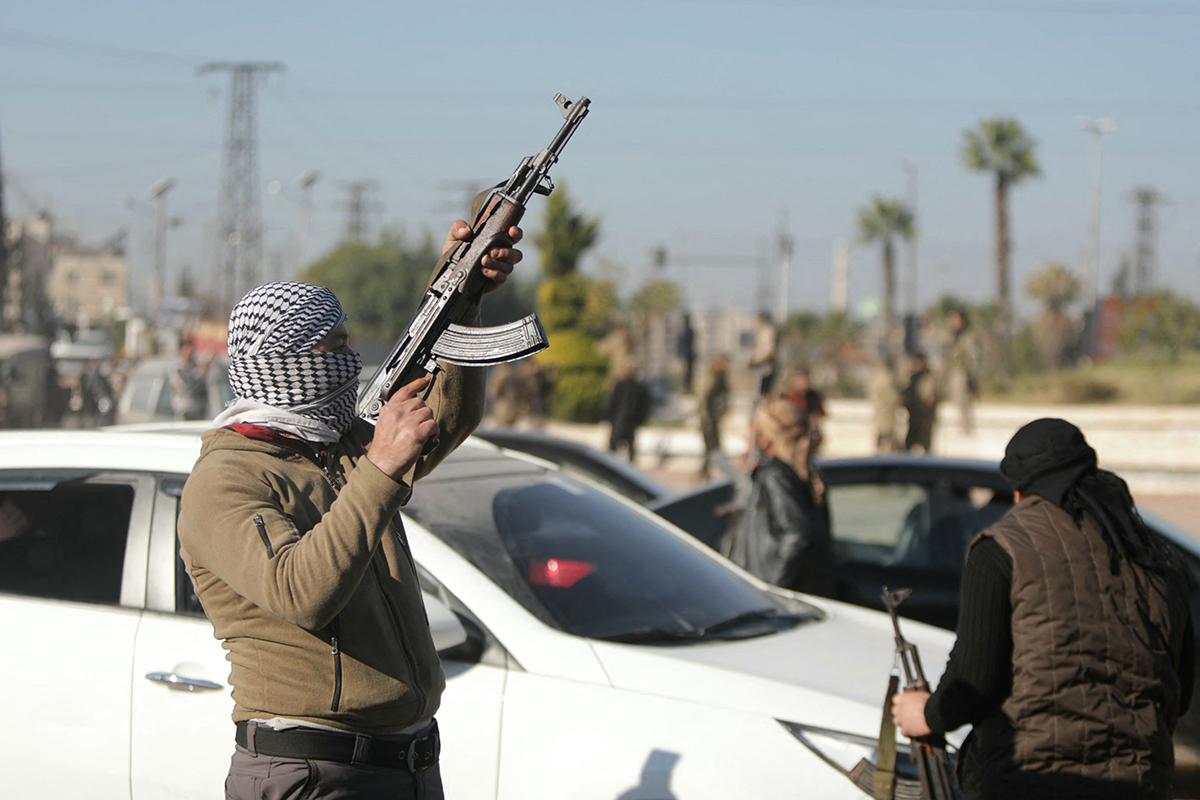
In a significant military development, the United States executed a series of airstrikes against ISIS positions in Syria on Saturday. This action is part of a broader military strategy following a deadly attack that resulted in the deaths of two American soldiers and a civilian interpreter last month.
According to U.S. Central Command, these coordinated strikes, known as Operation Hawkeye Strike, were carried out by American and allied forces. The operation is a direct response to the ambush on December 13 in Palmyra, which claimed the lives of Sgt. Edgar Brian Torres-Tovar, Sgt. William Nathaniel Howard, and Ayad Mansoor Sakat.
Sgt. Torres-Tovar and Sgt. Howard were members of the Iowa National Guard, participating in Operation Inherent Resolve against ISIS. Ayad Mansoor Sakat, a civilian interpreter, was from Macomb, Michigan. The strikes were described as “large-scale” and aimed at multiple ISIS locations, although the specific units involved were not disclosed.
The U.S. Central Command emphasized the seriousness of their response with a stern message: “Our message remains strong: if you harm our warfighters, we will find you and kill you anywhere in the world, no matter how hard you try to evade justice.”
ISIS, which gained substantial control in Iraq and Syria in 2014, has been largely pushed back by a U.S.-led coalition but remains active in desert areas. Concerns have arisen that ISIS might be attempting a resurgence, particularly after the political changes in Syria that saw President Ahmed al-Sharaa rise to power after the overthrow of Bashar al-Assad in December 2024.
The military campaign first launched on December 19 targeted 70 ISIS sites and was a joint effort with Jordan, marking the inaugural use of the Hawkeye Strike operation. These actions followed the ambush in Palmyra, reportedly carried out by a single ISIS gunman.
Meanwhile, U.S. envoy Tom Barrack met with Syrian President al-Sharaa, advocating for dialogue between the Syrian government and Kurdish leaders amidst ongoing tensions. He highlighted the risk of violence undermining progress and inviting unwanted external interference.
Barrack referenced the Syrian government’s commitment to a March 2025 agreement with the Kurdish-led Syrian Democratic Forces (SDF), which outlines the integration of SDF forces into national frameworks while preserving Kurdish rights. However, recent clashes have raised concerns about adherence to this agreement.
Elham Ahmad, a Kurdish official, affirmed the northeast Syrian administration’s commitment to past agreements but accused Syrian authorities of instigating conflict. The Aleppo airport remains closed as tensions persist, with Turkey supporting the removal of Kurdish forces from border areas.
The SDF, instrumental in the 2019 ISIS defeat, holds significant oil-rich regions in Syria’s northeast. However, their role in Syria’s new political landscape remains uncertain amid continuous debates over decentralization and security policies.
This article was originally written by www.christianpost.com